India-US trade talks moving fast, says Piyush Goyal amid Russia oil sanction threat
Synopsis
Commerce Minister Piyush Goyal called India-US trade talks 'moving fast' even as Trump signed a sweeping Russia sanctions law that could expose India — one of the top two buyers of Russian crude — to tariffs as high as 100% on its US exports. With a G20 ministerial meeting in Milwaukee imminent, the next few weeks may define how India manages both its Russian energy dependency and its American trade ambitions simultaneously.
Key Takeaways
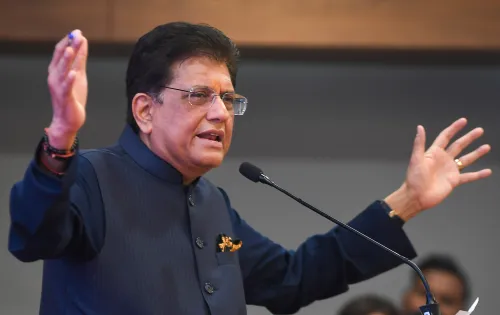
Commerce Minister Piyush Goyal on 22 September 2026 said India-US bilateral trade talks are 'moving fast and in a good direction.' US President Donald Trump has signed the Lindsey O.
Graham Sanctioning Russia and Iran Act of 2026 , enabling tariffs of up to 100 per cent on top buyers of Russian oil, including India and China .
Goyal said India would study the details of the new law before discussing it 'at an appropriate time'; the 100 per cent tariff is a ceiling, not an automatic levy.
India's merchandise trade deficit narrowed to $26.86 billion in August 2026 , down from $27.20 billion a year earlier and well below the $32 billion recorded in July 2026 .
Exports grew 26.12 per cent to $43.18 billion in August, led by engineering goods, petroleum products, chemicals, and textiles.
Goyal is expected to meet US Trade Representative Jamieson Greer at the G20 Trade Ministerial in Milwaukee later in September.
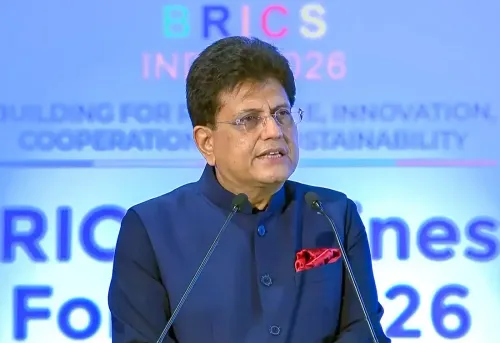
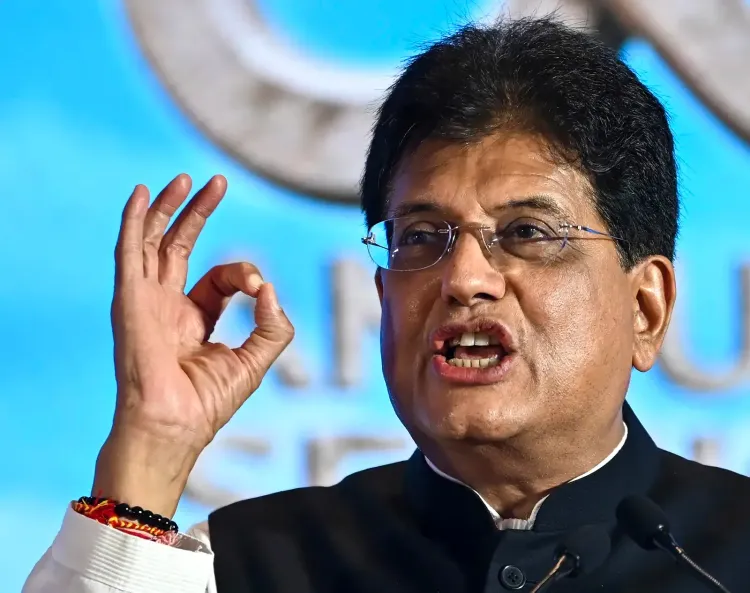
Commerce Minister Piyush Goyal on Tuesday, 22 September 2026 expressed confidence that negotiations between India and the United States for a bilateral trade agreement were advancing steadily, describing talks as 'moving fast and in a good direction.' The upbeat assessment comes even as a new US sanctions law targeting buyers of Russian oil and gas — including India — adds fresh complexity to the trade relationship.
Key Developments in Trade Negotiations
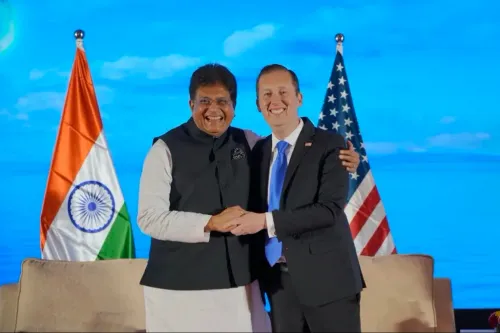
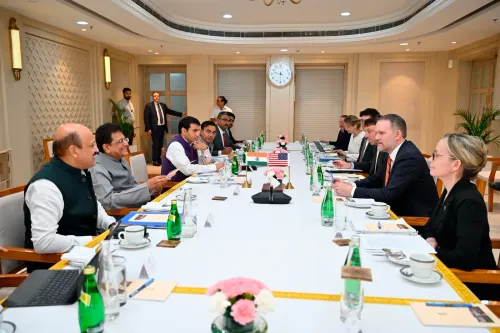
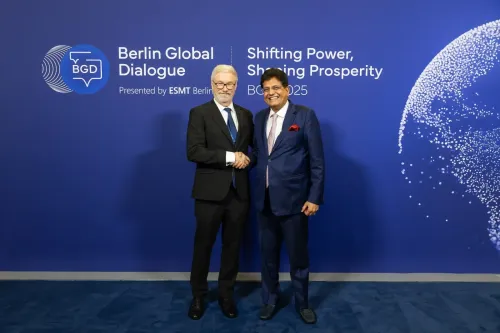
Goyal offered no granular details about the substance of the negotiations, but the statement signals that momentum has been sustained despite geopolitical headwinds. Both sides are reportedly in regular contact, and Goyal is expected to hold bilateral discussions with US Trade Representative Jamieson Greer on the sidelines of the G20 Trade Ministerial in Milwaukee later this month. That meeting is being watched closely as a potential inflection point for the talks.
The Russia Sanctions Complication
The optimism on trade is shadowed by US President Donald Trump's signing of the Lindsey O. Graham Sanctioning Russia and Iran Act of 2026, which grants the White House sweeping authority to impose tariffs of up to 100 per cent on the top five purchasers of Russian oil and gas. China and India are among the top two buyers of Russian crude, meaning both nations could be exposed to higher duties on their exports to the US under the new law.
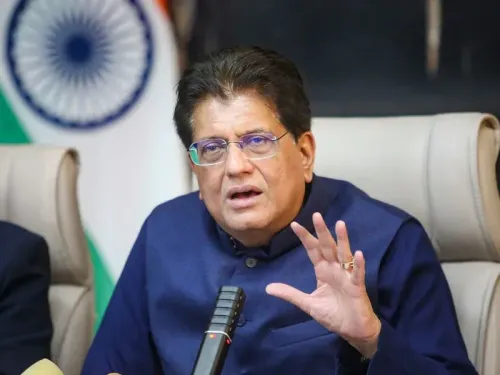
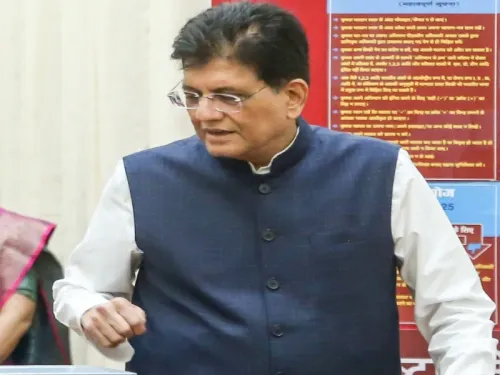
Goyal, however, counselled caution rather than alarm. 'The details are now emerging. We will study them and discuss the matter at an appropriate time,' he said, noting on Monday that India would first examine the specifics before engaging formally. Importantly, the 100 per cent tariff is not an automatic levy — it represents the ceiling of what the US could impose, not what it has yet decided to apply.
India's Trade Figures Show Improving Momentum
Against this backdrop, India's own trade data offers a degree of reassurance. Merchandise exports in August 2026 surged 26.12 per cent year-on-year to $43.18 billion, while imports grew 14.1 per cent to $72.67 billion — meaning export growth outpaced import growth for the first time, narrowing the trade deficit.
India's merchandise trade deficit contracted to $26.86 billion in August from $27.20 billion in the same month last year, and was significantly lower than the $32 billion recorded in July 2026. Commerce Secretary Rajesh Agrawal attributed the export surge to strong demand from the US, EU, and BRICS economies, with engineering goods, petroleum products, chemicals, and textiles driving the growth.
What This Means Going Forward
The bilateral trade deal, if finalised, could provide India with a structured framework to manage US tariff exposure — including the kind of risk now posed by the Russian oil sanctions law. Notably, the Milwaukee ministerial will be one of the first high-level in-person meetings since the Graham Act was signed, making it a critical diplomatic juncture. How Goyal and Greer navigate the Russian oil question alongside the broader trade agreement will likely set the tone for the months ahead.
Point of View
A bet that delivered fiscal savings but now creates diplomatic exposure. A bilateral trade deal with the US, if it includes energy-related carve-outs or grace clauses, could be India's most effective hedge against that exposure — but that requires the US to trade trade access for energy flexibility, a concession Washington has historically resisted. The Milwaukee meeting will reveal whether the two sides are genuinely converging or merely managing optics ahead of a harder negotiation.
NationPress
22 Sept 2026
Frequently Asked Questions
What did Piyush Goyal say about India-US trade talks?
Commerce Minister Piyush Goyal said on 22 September 2026 that talks between India and the United States on a bilateral trade agreement were 'moving fast and in a good direction.' He did not disclose specific details of the negotiations but confirmed both sides remain in regular contact.
What is the Lindsey O. Graham Sanctioning Russia and Iran Act of 2026?
It is a US law signed by President Donald Trump that gives the White House authority to impose tariffs of up to 100 per cent on the top five purchasers of Russian oil and gas. India and China, as among the top two buyers of Russian crude, could face higher duties on their exports to the US under the law.
Will India face automatic 100 per cent tariffs on its US exports?
Not immediately. The 100 per cent tariff is the maximum the US could impose under the new law, not an automatic levy. Goyal has said India will first study the details before engaging formally on the matter.
How did India's trade figures perform in August 2026?
India's merchandise trade deficit narrowed to $26.86 billion in August 2026 from $27.20 billion a year earlier, with exports surging 26.12 per cent to $43.18 billion. The export growth outpaced import growth for the first time, driven by engineering goods, petroleum products, chemicals, and textiles.
When will Piyush Goyal meet US Trade Representative Jamieson Greer?
Goyal is expected to hold bilateral discussions with US Trade Representative Jamieson Greer at the G20 Trade Ministerial in Milwaukee later in September 2026. The meeting is seen as a key milestone in the India-US bilateral trade agreement negotiations.