Gujarat passport verification simplified: no police station visits required
Synopsis
Gujarat has quietly rewritten the rules on passport verification — no more police station visits, no address checks, no in-person signatures. DGP Gyanendra Singh Malik's directive strips the process down to two essentials: citizenship and criminal antecedents. It's a small but meaningful administrative reform that could serve as a template for other states.
Key Takeaways
Gujarat Police issued revised passport verification guidelines on 4 August , effective across all police stations in the state.
Applicants will no longer be required to visit police stations for routine passport verification.
Police will verify only citizenship and criminal antecedents — residential address verification is no longer required.
Home visits by police will occur only in exceptional cases where a suspicious matter is flagged; even then, applicants need not visit the station.
DGP Gyanendra Singh Malik has directed all state police officers to strictly follow the revised instructions.
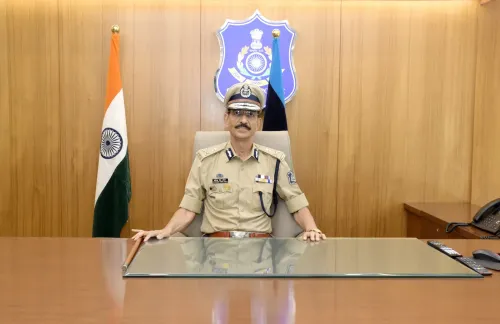
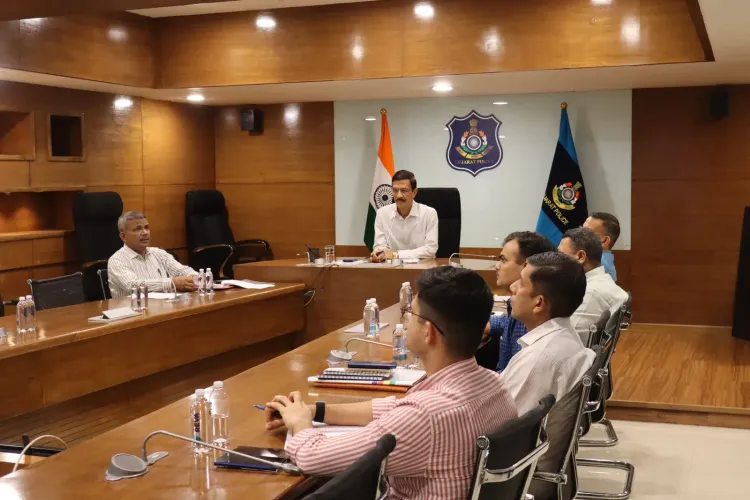
Gujarat Police on Tuesday, 4 August overhauled the state's passport verification process, directing that applicants will no longer be required to visit police stations as part of routine verification. The revised procedure, issued by Director General of Police (DGP) Gyanendra Singh Malik to all police stations across Gujarat, limits verification to checking citizenship and criminal antecedents only.
What Has Changed
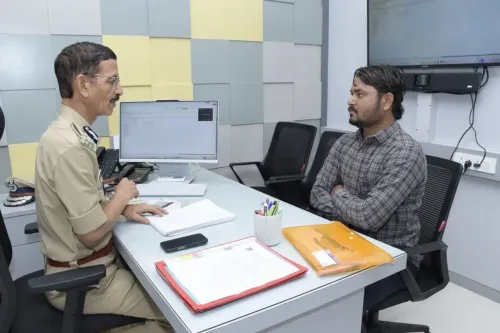
Under the new instructions, police officers conducting passport verification are required to check only an applicant's citizenship status and criminal antecedents. A separate verification of the applicant's residential address is no longer required. Officers are also not required to meet applicants in person or obtain their signatures as part of the routine process.
The Gujarat Police stated: 'The passport applicant will not be required to appear in person at the police station for the verification process. During police verification, only the applicant's citizenship and criminal antecedents are required to be verified.'
When Police Will Visit Residences
Home visits will now be restricted to exceptional cases — specifically, where a suspicious matter is identified or further verification is deemed necessary. Even in those instances, applicants will not be summoned to a police station. As the official directions clarify: 'Only in exceptional cases, where any suspicious matter is noticed, or further verification is considered necessary, will the police visit the applicant's residence. Even in such cases, there is no requirement to call the applicant to the police station.'
Why Gujarat Made This Move
The reform is aimed at making passport verification more transparent, efficient, and citizen-friendly, while eliminating unnecessary inconvenience. This comes amid broader efforts across Indian states to digitise and streamline administrative processes that have historically required multiple in-person visits. Passport verification delays have long been a friction point for applicants, particularly those in districts where police bandwidth is limited.
Instructions to Officers and Citizens
DGP Malik has directed all police officers across the state to strictly comply with the revised guidelines. The Gujarat Police have also appealed to citizens to familiarise themselves with the simplified procedure and refrain from engaging in any unnecessary steps during the verification process.
With this reform, Gujarat joins a small number of states that have proactively reduced the administrative burden on passport applicants — a move likely to be watched by other state police forces considering similar changes.
Point of View
But its impact will depend entirely on ground-level compliance. Police station visits during passport verification have historically served as informal leverage points — for delays, for facilitation fees, for bureaucratic friction. Stripping that touchpoint away is the right call, but DGP Malik's directive will need active monitoring to ensure lower-rung officers don't find workarounds. The reform also raises a structural question: if residential address verification is now officially unnecessary, it was arguably never necessary — which raises questions about why it persisted so long.
NationPress
18 Sept 2026
Frequently Asked Questions
What is the new Gujarat passport verification process?
Under the revised process announced on 4 August, Gujarat passport applicants no longer need to visit a police station for routine verification. Police will only check citizenship status and criminal antecedents, and will not conduct a separate residential address verification.
Will police visit applicants at home under the new rules?
Home visits by police will occur only in exceptional cases where a suspicious matter is identified or further verification is considered necessary. Even in those cases, applicants are not required to appear at a police station.
Who issued the new passport verification guidelines in Gujarat?
The revised directions were issued by Gujarat's Director General of Police (DGP) Gyanendra Singh Malik to all police stations and officers across the state.
Why has Gujarat simplified the passport verification process?
The Gujarat Police stated the changes were introduced to make the process more transparent, efficient, and citizen-friendly, and to eliminate unnecessary inconvenience to applicants who previously had to make in-person visits.
Do applicants need to give their signature during passport verification now?
No. Under the new guidelines, police officers are not required to meet applicants in person or obtain their signatures as part of the routine passport verification process.