Gujarat GPCB processes 906 tonnes of pilgrimage waste since 2024, reaches 1.43 crore devotees
Synopsis
Gujarat's pollution control board has quietly built one of India's more data-backed pilgrimage waste systems — 906 metric tonnes processed, 1.43 crore devotees reached, and 1.37 lakh plastic bottles recovered since 2024. The Swachh Paryavaran Yatra is now a template for balancing mass religious tourism with environmental accountability.
Key Takeaways
The Gujarat Pollution Control Board (GPCB) has processed 906 metric tonnes of pilgrimage waste since 2024 under the Swachh Paryavaran Yatra initiative.
More than 1.43 crore devotees were reached through cleanliness drives across events including the Ambaji Padyatra , Narmada Parikrama , and Fuldol Mahotsav in Dwarka.
The Ambaji Padyatra campaign collected 38.8 metric tonnes of waste using 300 Seva Kendras , 13 vehicles , and 90 sanitation workers .
The Narmada Parikrama campaign processed 60 metric tonnes of waste and reduced CO₂ emissions by an estimated 41 tonnes .
Since 2024, the bottle-exchange programme has recovered over 1.37 lakh plastic bottles and distributed 15,600 steel bottles .
The initiative has cumulatively mitigated an estimated 27.58 metric tonnes of CO₂ emissions and saved 3.25 lakh kWh of energy.
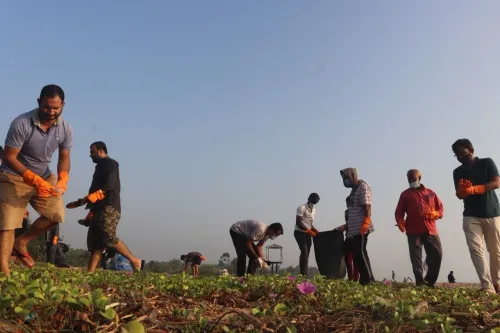
The Gujarat Pollution Control Board (GPCB) has collected and scientifically managed approximately 906 metric tonnes of waste generated at major religious gatherings across Gujarat since 2024, while reaching over 1.43 crore devotees through cleanliness drives and environmental awareness campaigns. The initiative marks one of the state's most sustained efforts to address the environmental footprint of mass pilgrimages.
The Swachh Paryavaran Yatra Initiative
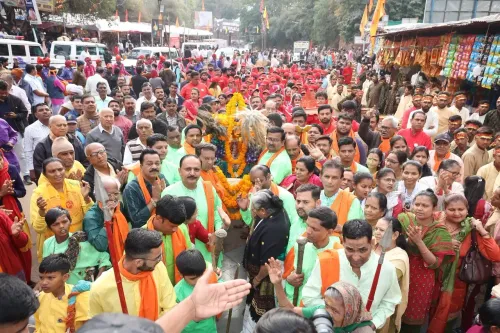
The programme, branded as the Swachh Paryavaran Yatra, has been operational across several high-footfall religious events, including the annual Ambaji Padyatra, the Uttarvahini Narmada Parikrama, and the Fuldol Mahotsav in Dwarka. Its core objectives include reducing roadside littering, promoting waste segregation and processing, and phasing out single-use plastics along pilgrimage corridors.
The GPCB has operated the initiative under the broader sustainable waste management framework promoted by Prime Minister Narendra Modi and backed at the state level by Chief Minister Bhupendra Patel.
Ambaji Padyatra: Key Numbers
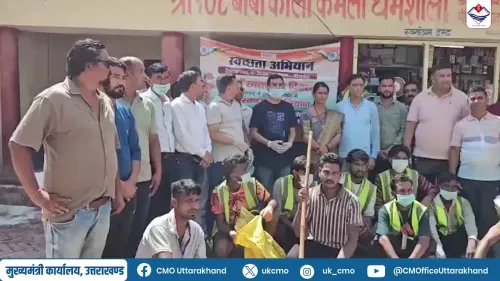
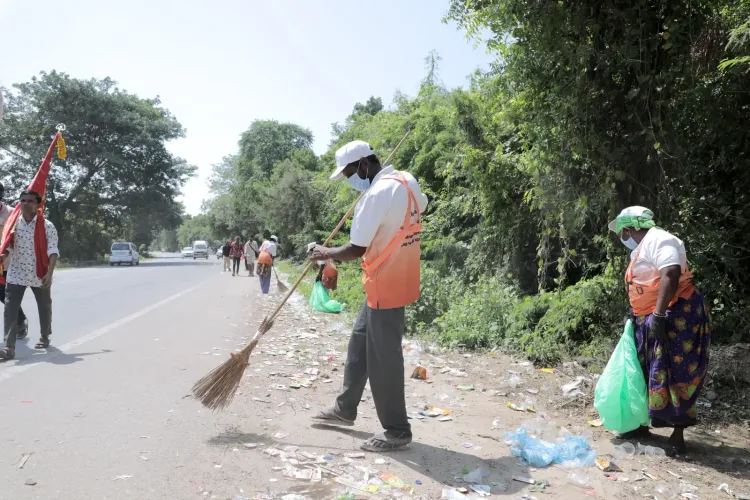
During the recently concluded Ambaji Padyatra, the board collected and scientifically managed 38.8 metric tonnes of waste. The campaign deployed 300 Seva Kendras, 13 vehicles, and 90 sanitation workers and field personnel to maintain cleanliness along the route.
To reduce plastic consumption, the GPCB distributed 31,000 compostable bags, 1,500 cloth bags, and 4,850 steel bottles. A bottle-exchange programme facilitated the recovery of 38,466 plastic bottles. Public outreach included 70 street plays, two Dayra programmes, the distribution of four lakh awareness bands, and over 50,000 pamphlets.
Minister of State for Forests and Environment Pravin Mali said, 'Environmental awareness was promoted through various public outreach activities to encourage devotees to adopt responsible waste disposal practices and contribute to cleaner pilgrimage routes.'
Narmada Parikrama: Protecting the River Ecosystem
During the 31-day Uttarvahini Narmada Parikrama, which traversed a route of approximately 23–24 km, the GPCB deployed 65 sanitation workers and four vehicles to prevent waste from entering the Narmada ecosystem. The campaign collected and processed 60 metric tonnes of waste — comprising 15 tonnes of plastic waste and 45 tonnes of biodegradable waste.
Official estimates indicate the Narmada Parikrama campaign alone helped reduce carbon dioxide equivalent emissions by 41 tonnes and achieved energy savings of approximately 85,000–86,000 kWh. Over one lakh awareness bands bearing the Gujarati message, 'These hands will not throw waste,' were distributed to pilgrims.
Cumulative Environmental Impact
Across all campaigns since 2024, the GPCB's bottle-exchange programme has distributed 15,600 steel bottles and facilitated the recovery of over 1.37 lakh used plastic bottles for recycling and value-added utilisation. According to official estimates, the overall initiative has helped mitigate 27.58 metric tonnes of carbon dioxide emissions and save 3.25 lakh kWh of energy.
Forest and Environment Minister Arjun Modhwadia noted that distributing compostable and reusable alternatives was central to reducing single-use plastic dependency at pilgrimage sites.
What Comes Next
With several major pilgrimages scheduled through the remainder of the year, the GPCB is expected to expand the Swachh Paryavaran Yatra to additional sites. The programme's emphasis on measurable waste processing and emission reduction targets signals a shift toward evidence-based environmental governance at religious events — a model that other states with high pilgrimage footfall may look to replicate.
Point of View
Bottles exchanged, kWh saved — which is unusual for state-run environmental campaigns that often trade in intent rather than outcomes. What remains unverified is the methodology: who audits these figures, and how 'scientifically managed' is defined in practice. The broader question is whether the Swachh Paryavaran Yatra is a scalable governance model or a well-packaged pilot that depends on concentrated political attention during high-visibility events. India has dozens of pilgrimage circuits generating comparable waste loads; the Gujarat model's real test will be whether it can be institutionalised beyond election-cycle optics.
NationPress
15 Oct 2026
Frequently Asked Questions
What is Gujarat's Swachh Paryavaran Yatra?
It is a Gujarat Pollution Control Board (GPCB) initiative to collect, segregate, and scientifically process waste generated at major pilgrimage sites across Gujarat. Launched in 2024, it has so far processed around 906 metric tonnes of waste and reached over 1.43 crore devotees through awareness drives.
Which pilgrimages are covered under the GPCB waste management campaign?
The campaign has been active at the Ambaji Padyatra, the Uttarvahini Narmada Parikrama, and the Fuldol Mahotsav in Dwarka. These are among Gujarat's largest annual religious gatherings, drawing millions of pilgrims.
How much waste was collected during the Ambaji Padyatra specifically?
During the recently concluded Ambaji Padyatra, the GPCB collected and scientifically managed 38.8 metric tonnes of waste. The effort involved 300 Seva Kendras, 13 vehicles, 90 sanitation workers, and the distribution of 31,000 compostable bags, 1,500 cloth bags, and 4,850 steel bottles.
What environmental impact has the pilgrimage waste campaign achieved?
According to official estimates, the overall initiative has helped mitigate 27.58 metric tonnes of carbon dioxide emissions and save 3.25 lakh kWh of energy. The Narmada Parikrama leg alone reduced CO₂ equivalent emissions by 41 tonnes and saved approximately 85,000–86,000 kWh.
How is the GPCB reducing single-use plastic at pilgrimages?
The board has distributed compostable bags, cloth bags, and steel bottles at events, and runs a bottle-exchange programme. Since 2024, the programme has recovered over 1.37 lakh used plastic bottles for recycling and distributed 15,600 steel bottles across pilgrimage events.