Gujarat appoints 301 State Tax Inspectors; CM Patel urges taxpayer-friendly service
Synopsis
Gujarat inducted 301 new State Tax Inspectors on 22 July — selected from over 2.30 lakh candidates — with Chief Minister Bhupendra Patel and Finance Minister Kanu Desai both stressing a service-first mandate: protect honest traders, sustain the state's 99-per-cent GST compliance record, and convert tax revenue into visible development. The message from the top was unambiguous: authority is secondary to ease of doing business.
Key Takeaways
301 State Tax Inspectors were appointed in Gujarat on 22 July at a ceremony in Gandhinagar .
The recruits were selected from more than 2.30 lakh candidates who appeared for the Gujarat Public Service Commission examination.
Chief Minister Bhupendra Patel urged the officers to resolve taxpayers' genuine difficulties within the law and contribute to Gujarat's economic growth.
Finance Minister Kanu Desai noted Gujarat has ranked first nationally in GST return filing compliance at over 99 per cent for several consecutive years.
GST tax slabs have been rationalised from 40 per cent and 28 per cent to simpler rates such as 18 per cent since the tax's rollout in 2017 .
Das advised the new officers to stay updated with Supreme Court and High Court GST judgments to safeguard state interests.
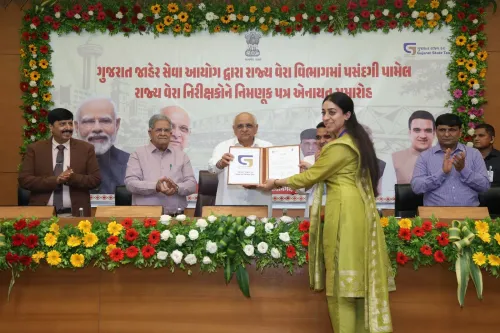
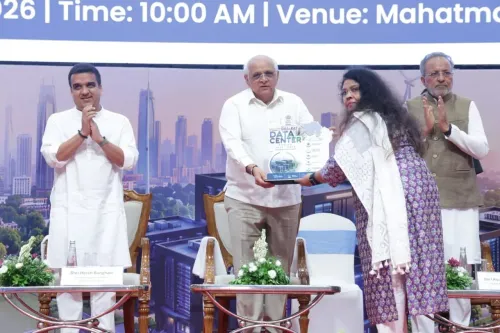
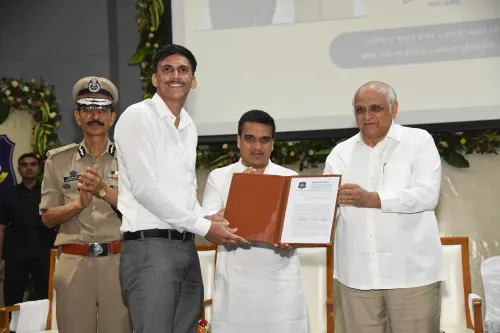
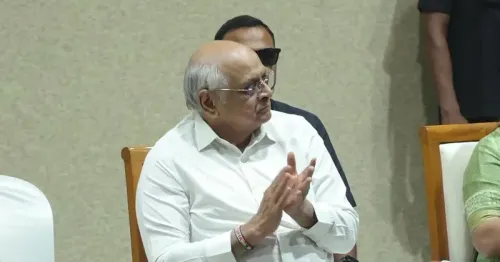
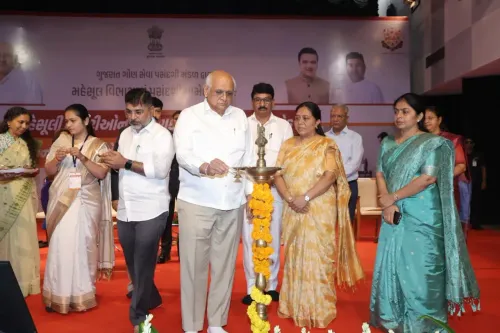
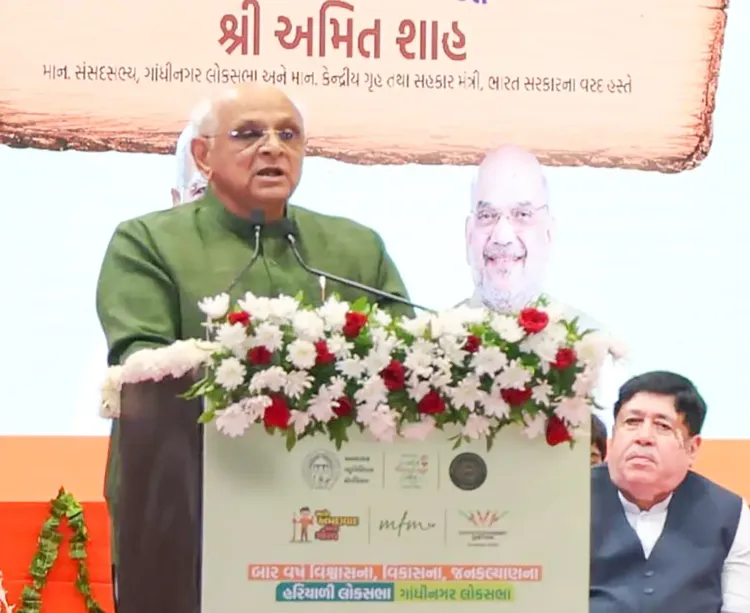
Gujarat Chief Minister Bhupendra Patel on 22 July distributed appointment letters to 301 newly recruited State Tax Inspectors at a ceremony in Gandhinagar, calling on them to uphold integrity, strengthen revenue collection, and ensure that taxpayers do not face unnecessary hardship. The induction follows a competitive examination in which more than 2.30 lakh candidates appeared before the Gujarat Public Service Commission.
The Appointment Ceremony
The event was held in the presence of Deputy Chief Minister Harsh Sanghavi, Finance Minister Kanu Desai, Minister of State Kamlesh Patel, and Chief Secretary M. K. Das. Chief Minister Patel described the recruits as the driving force behind the state's future development, saying they would play a pivotal role in advancing the journey from 'Viksit Gujarat' to 'Viksit Bharat'.
Addressing the officers, Patel said: 'Our work should be such that we resolve people's genuine difficulties within the framework of the law and ensure they do not face unnecessary hardship.' He urged them to follow the principle of 'Sauno Saath, Sauno Vikas, Sauno Vishwas, Sauno Prayas' while serving in the Finance Department.
What Senior Officials Said
Deputy Chief Minister Harsh Sanghavi called the Finance and Tax Department 'the backbone of the state's economy,' underscoring its role in maintaining financial stability through revenue collection. He stressed that the primary responsibility of every new officer was to ensure that no honest trader faces unnecessary difficulties, and urged them to seek guidance from senior officials for speedy, transparent resolution of genuine issues.
Sanghavi noted that Gujarat's GST collection and growth rate had remained encouraging under 'Team Gujarat' and expressed confidence that the new cohort would further strengthen state revenues, enabling wider welfare programmes and infrastructure development.
GST Reforms and Gujarat's Compliance Record
Finance Minister Kanu Desai highlighted that several policy reforms had been introduced since the rollout of the Goods and Services Tax (GST) in 2017, including the rationalisation of higher tax slabs — from 40 per cent and 28 per cent down to simpler rates such as 18 per cent. He said Gujarat had consistently ranked first in the country with more than 99 per cent GST return filing compliance for several years while maintaining a leading position in overall tax collection.
Desai emphasised that the government's primary responsibility was to support traders and industrialists with the spirit of Ease of Doing Business, adding: 'The revenue collected through taxes is utilised for the development of Gujarat and the nation, and therefore, the better these young officers perform, the greater the creation of wealth and development in the state.'
Guidance from the Chief Secretary
Chief Secretary M. K. Das described the selected candidates as an exceptionally talented group, noting that they were chosen from a pool of more than 2.30 lakh applicants. He advised the officers to stay current with judgments of the Supreme Court and High Courts, as well as evolving GST case law, to effectively safeguard the state's interests when dealing with tax consultants. Das characterised GST as a 'specialised and sensitive law' that demands continuous learning.
Broader Context
Chief Minister Patel also referenced Prime Minister Narendra Modi's 'Reform, Perform, Transform' approach and the Vibrant Gujarat Summit as key drivers that had established Gujarat as a leading investment destination. He cited initiatives such as the hydrogen train as evidence that India now stands confidently alongside developed nations. The appointment of 301 tax inspectors is seen as a direct reinforcement of the state's administrative capacity to handle growing GST compliance volumes and investment inflows. With Gujarat maintaining top-tier compliance rates, the new officers are expected to sustain that record while easing the compliance burden on businesses.
Point of View
A deliberate positioning that reflects Gujarat's long-running pitch to investors. The real test is whether the 'no unnecessary hardship' directive translates into measurable reduction in compliance grievances, or remains ceremonial rhetoric. Gujarat's 99-per-cent GST filing compliance is an impressive headline, but compliance rates say nothing about the quality of officer-taxpayer interactions at the ground level — which is precisely where these 301 officers will operate.
NationPress
21 Oct 2026
Frequently Asked Questions
How many State Tax Inspectors were appointed in Gujarat on 22 July?
A total of 301 candidates were appointed as State Tax Inspectors in Gujarat on 22 July at a ceremony in Gandhinagar. They were selected from more than 2.30 lakh candidates who appeared for the Gujarat Public Service Commission examination.
What did Chief Minister Bhupendra Patel say to the new tax inspectors?
Chief Minister Bhupendra Patel urged the recruits to discharge their duties with integrity and ensure taxpayers do not face unnecessary hardship. He asked them to follow the principle of 'Sauno Saath, Sauno Vikas, Sauno Vishwas, Sauno Prayas' and described them as the driving force behind Gujarat's future development.
What is Gujarat's GST compliance record?
Gujarat has consistently ranked first in the country with more than 99 per cent GST return filing compliance for several consecutive years, according to Finance Minister Kanu Desai. The state has also maintained a leading position in overall tax collection nationally.
What GST reforms did Finance Minister Kanu Desai highlight?
Finance Minister Kanu Desai noted that since GST's implementation in 2017, higher tax slabs of 40 per cent and 28 per cent have been rationalised to simpler rates such as 18 per cent. He stressed that the government's primary role is to support traders through the spirit of Ease of Doing Business.
What advice did Chief Secretary M. K. Das give the new officers?
Chief Secretary M. K. Das advised the newly appointed State Tax Inspectors to continuously update their knowledge of Supreme Court and High Court GST judgments and relevant case law. He described GST as a specialised and sensitive law and said staying current with legal developments was essential to effectively safeguarding the state's interests.