Gujarat Shala Praveshotsav 2026: 16.35 lakh enrolments in 3-day drive
Synopsis
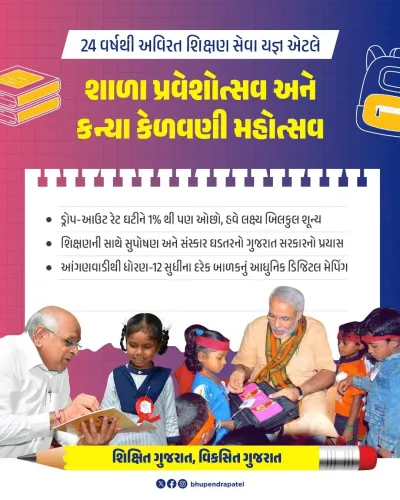
Gujarat's 24th Shala Praveshotsav wrapped up with 16.35 lakh school enrolments in just three days — covering over 37,000 schools and 25,000 villages. With ₹28.97 crore in public donations, 3,935 girls awarded Vidyalakshmi Bonds, and transport added to 999 schools, this year's drive went beyond optics to target structural barriers to education.
Key Takeaways
Gujarat's Kanya Kelavani Mahotsav and Shala Praveshotsav 2026 recorded over 16.35 lakh school enrolments across 37,211 schools from 23–25 June 2026 .
The campaign covered 25,625 villages ; on the final day alone, 27,959 dignitaries visited 12,495 schools .
Over 1.79 lakh students enrolled in Class 9 ; 25,070 returned to school under the 'Back to School Survey' .
3,935 meritorious girls received Vidyalakshmi Bonds ; transport facilities added to 999 schools .
Public donations totalled more than ₹28.97 crore in cash and kind over three days.
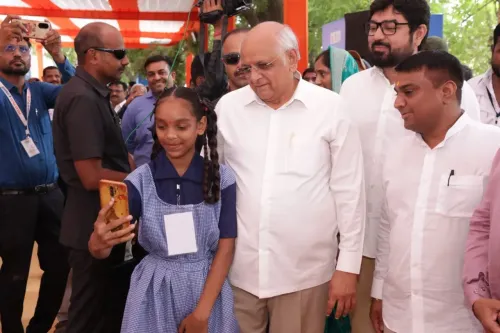
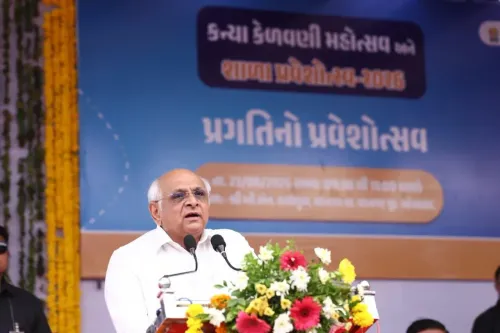
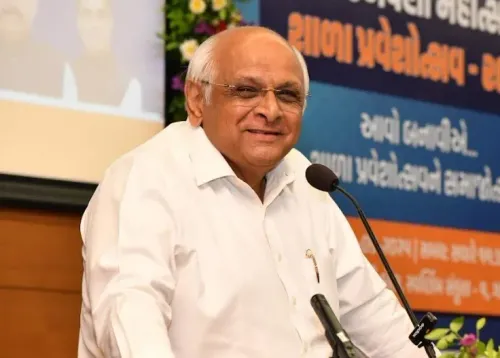
The drive was launched by Chief Minister Bhupendra Patel from B.N.
High School, Vadnagar — where PM Modi studied.
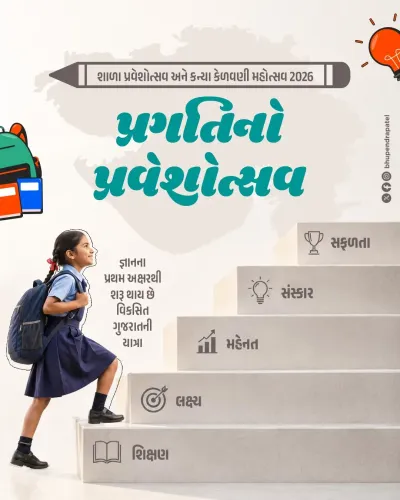
Gujarat's annual Kanya Kelavani Mahotsav and Shala Praveshotsav 2026 concluded on 25 June 2026 with more than 16.35 lakh students enrolling in schools across the state over three days, making it one of the largest school enrolment campaigns in the state's history. The drive spanned 25,625 villages and 37,211 schools, underscoring the scale of Gujarat's push for universal school participation.
Scale of the Campaign
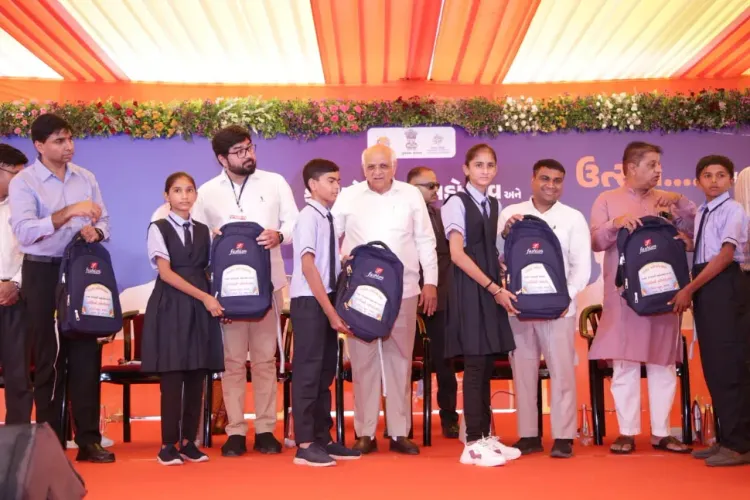
The three-day programme, held from 23 to 25 June, was launched by Chief Minister Bhupendra Patel at B.N. High School in Vadnagar — the same school where Prime Minister Narendra Modi studied during his formative years. On the final day alone, activities were organised across 8,287 villages and 12,495 schools, with 27,959 dignitaries — including public representatives and senior officials — visiting institutions to encourage enrolments.
The 24th edition of the programme was conducted under the guidance of Chief Minister Bhupendra Patel and Deputy Chief Minister Harsh Sanghavi, and led by Education Minister Dr Pradyuman Vaja and Minister of State for Education Rivaba Jadeja, according to officials.
Enrolment Breakdown by Category
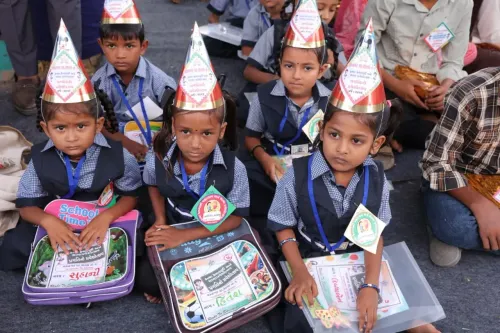
Official figures reveal a broad spread of participation across age groups and grade levels. More than 62,000 children began early learning in anganwadis and bal mandirs during the campaign. In the Balvatika category, over 1.46 lakh new enrolments were recorded.
At the school level, more than 34,000 students enrolled in Class 1, over 1.79 lakh in Class 9, and 91,613 in Class 11. A further 25,070 students returned to education under the 'Back to School Survey' initiative, targeting those who had previously dropped out or remained out of the system.
Girls' Education and Community Support
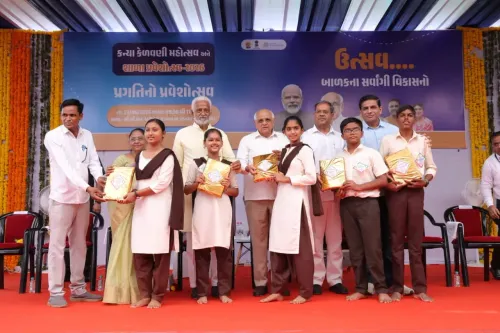
Promoting girls' education was a central pillar of the drive. A total of 3,935 meritorious girls were awarded 'Vidyalakshmi Bonds' to support their pursuit of higher education. The state government also introduced transport facilities in 999 schools during the programme period, addressing a key barrier to attendance in rural areas.
Public participation proved substantial. Donors across the state contributed more than ₹28.97 crore in cash and kind over the three days. This included over ₹1.52 crore in direct cash contributions and more than ₹9.18 crore in educational materials donated to schools, with total donations and support from citizens amounting to more than ₹10.71 crore.
What This Signals for Gujarat's Education Agenda
Officials stated that the programme is designed to strengthen enrolment rates and ensure universal access to education across Gujarat. Notably, the choice of Vadnagar — a town in Mehsana district with historical significance to the Prime Minister — as the launch venue lent the event added political and symbolic weight. The introduction of transport facilities in nearly 1,000 schools in a single campaign cycle signals a shift toward addressing structural barriers, not just headline enrolment numbers. With 25,070 students brought back under the 'Back to School Survey', the programme this year placed a sharper focus on retention alongside fresh intake.
Point of View
But the more telling figure is 25,070 — the students brought back under the 'Back to School Survey'. Dropout re-integration is far harder than first-time enrolment, and its inclusion signals a maturing approach to education campaigns. The addition of transport in 999 schools in a single cycle is also meaningful; access, not aspiration, is typically what keeps rural girls out of classrooms. The Vidyalakshmi Bond scheme for 3,935 girls addresses higher-education intent, but the real accountability test will come when retention and learning outcome data are published — metrics that enrolment drives rarely foreground but that ultimately define success.
NationPress
24 Sept 2026
Frequently Asked Questions
What is the Kanya Kelavani Mahotsav and Shala Praveshotsav 2026?
It is Gujarat's annual state-wide school enrolment and girls' education campaign, now in its 24th edition. The 2026 drive ran from 23 to 25 June, covering 37,211 schools and 25,625 villages, and recorded over 16.35 lakh student enrolments in three days.
Where was the 2026 campaign launched and why is the venue significant?
Chief Minister Bhupendra Patel launched the campaign at B.N. High School in Vadnagar, Mehsana district — the school where Prime Minister Narendra Modi studied. The choice of venue carried both historical and symbolic significance for the event.
How many girls benefited from the Vidyalakshmi Bond scheme?
A total of 3,935 meritorious girls were awarded Vidyalakshmi Bonds during the campaign to support and encourage their pursuit of higher education.
What was the level of public participation in the drive?
Citizens and donors contributed more than ₹28.97 crore in cash and kind over the three days, including over ₹1.52 crore in direct cash and more than ₹9.18 crore in educational materials donated to schools.
What is the 'Back to School Survey' initiative mentioned in the campaign?
The 'Back to School Survey' is a Gujarat government effort to identify and re-enrol students who had previously dropped out or fallen out of the school system. During the 2026 campaign, 25,070 such students were brought back into education.