Gujarat expands Vatan Prem Yojana: 20+ village works open to public funding
Synopsis
Gujarat has quietly overhauled its Vatan Prem Yojana, opening more than 20 categories of village works — from smart classrooms to CCTV grids — to co-funding by NRGs, trusts, and diaspora donors. With a tiered contribution model and decentralised approvals, the state is betting on emotional attachment to native villages as a lever for rural infrastructure finance.
Key Takeaways
Gujarat Cabinet approved amendments to Vatan Prem Yojana on 20 May 2025 , chaired by CM Bhupendra Patel .
More than 20 categories of village development works are now eligible, including smart classrooms, CCTV systems, and wastewater treatment.
Donor eligibility expanded to include any individual, organisation, trust, or association with emotional ties to a village — including Non-Resident Gujaratis (NRGs) .
Projects split into Category A and Category B ; state contribution ranges from 20% to 60% depending on category and implementing agency.
Approvals decentralised across three tiers: district level (up to ₹20 lakh ), head-of-department level (up to ₹1 crore ), and department level (above ₹1 crore ).
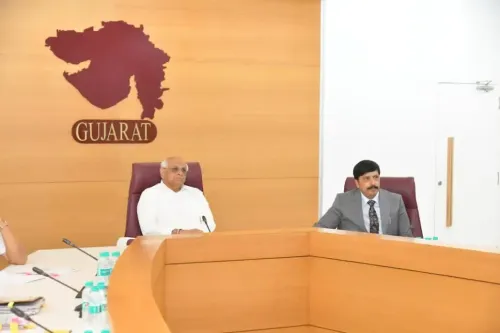
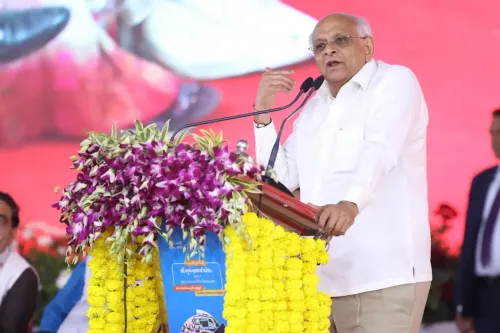
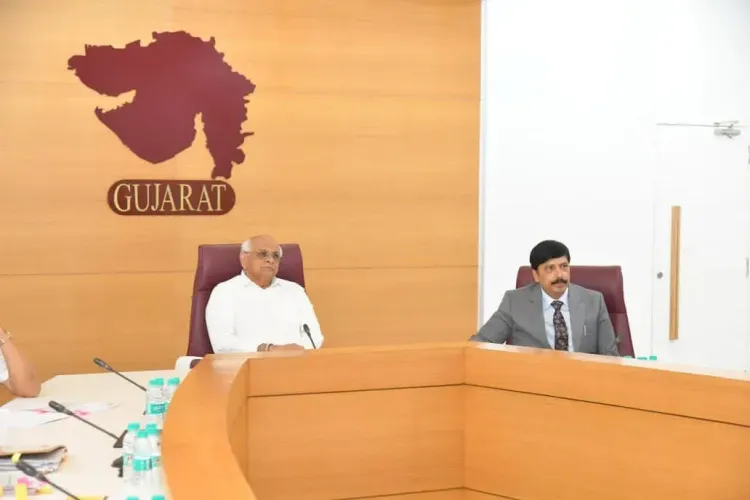
The Gujarat government has approved sweeping amendments to its Vatan Prem Yojana, opening more than 20 categories of rural development works to public funding and broadening eligibility for individuals, organisations, and trusts to contribute towards village infrastructure. The changes were cleared at a state cabinet meeting in Gandhinagar on Wednesday, 20 May, chaired by Chief Minister Bhupendra Patel.
Key Changes to the Scheme
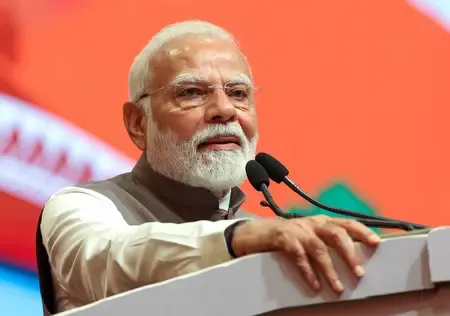
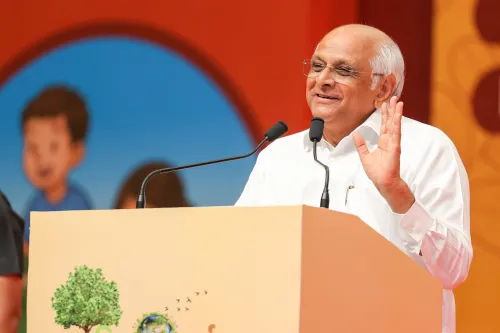
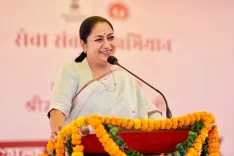
Government spokesperson and minister Jitu Vaghani said the amendments were designed to make Gujarat's villages 'more convenient and prosperous' through greater public participation and faster project approvals. The revised framework now allows 'any individual, organisation, trust or association having an emotional attachment with the village area' to participate as donors — explicitly including those living outside the district, state, or country.
'Any donor or person belonging to a village and residing outside the district, state, or country will be able to voluntarily contribute in order to repay their debt to their native place and participate in the service of their birthplace,' Vaghani said.
Funding Structure: Category A and Category B
Under the revised framework, projects are divided into Category A and Category B, with contribution ratios varying by implementing agency. Where a government agency executes the work, the state contributes 60% and donors 40% for Category A; for Category B, the state contributes 40% and donors 60%.
Where the donor selects the implementing agency, the state's share drops to 40% for Category A (donors: 60%) and 20% for Category B (donors: 80%). The tiered structure is designed to incentivise donor-led execution while retaining government oversight.
What Works Are Now Permitted
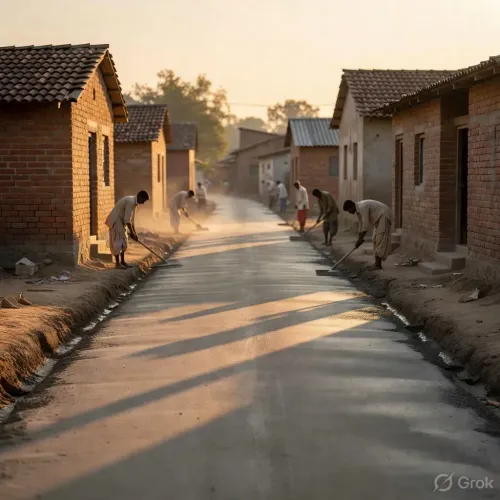
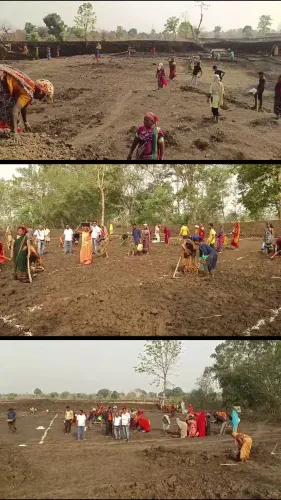
The expanded list of permissible works includes construction of smart classrooms, computer laboratories, and libraries in government schools; facilities for primary and community health centres and veterinary hospitals; anganwadi centres; kitchens and sheds for mid-day meal schemes; internal village roads; drainage systems; street lights; CCTV camera systems; wastewater treatment facilities; beautification of ponds on the lines of the Amrit Sarovar model; solar rooftop projects; ST bus stands; milk cooperative buildings; and community toilets.
Notably, the government clarified that developing gardens under the Panchvati Yojana or projects limited solely to pond deepening would not qualify under the scheme.
Streamlined Approvals at Three Levels
To cut delays, financial powers have been delegated across three tiers. District-level committees chaired by District Development Officers can approve projects worth up to ₹20 lakh. Head-of-department committees chaired by the Development Commissioner handle projects valued between ₹20 lakh and ₹1 crore. Projects exceeding ₹1 crore will be cleared by department-level committees chaired by the Additional Chief Secretary or Secretary of the Panchayat Department.
NRG Participation and the Road Ahead
Vaghani said the government expects the revised structure to draw Non-Resident Gujaratis (NRGs) and local donors into more active roles in village development, with the stated ambition of helping rural areas evolve into 'global villages.' The cabinet directed immediate implementation of the amendments. With donor participation now widened and approvals decentralised, the scheme's real test will be whether execution on the ground matches the policy intent.
Point of View
The state reduces its execution burden while sharing fiscal risk. The harder question is accountability — when an NRG funds a smart classroom in a village 10,000 kilometres away, who audits the output? The scheme's success will hinge on whether the three-tier approval mechanism translates into genuine speed on the ground, or simply redistributes the same bureaucratic delays across more committees.
NationPress
24 Sept 2026
Frequently Asked Questions
What is the Vatan Prem Yojana in Gujarat?
Vatan Prem Yojana is a Gujarat state scheme that enables individuals, organisations, and trusts with ties to a village to co-fund rural development projects alongside government grants. The scheme was recently amended to expand eligible works to more than 20 categories and widen donor eligibility to include Non-Resident Gujaratis and diaspora contributors.
What types of works are covered under the revised Vatan Prem Yojana?
The expanded scheme covers smart classrooms, computer labs, libraries, primary health centre facilities, anganwadi centres, mid-day meal kitchens, internal village roads, drainage systems, street lights, CCTV systems, wastewater treatment plants, pond beautification on the Amrit Sarovar model, solar rooftop projects, ST bus stands, milk cooperative buildings, and community toilets.
How does the Category A and Category B funding split work?
For government-agency-implemented works, Category A projects are funded 60% by the state and 40% by donors; Category B is split 40% state and 60% donors. Where donors choose their own implementing agency, the state contributes 40% for Category A and just 20% for Category B, with donors covering the remainder.
Who can contribute under the revised scheme?
Any individual, organisation, trust, or association with an emotional attachment to a Gujarat village can now contribute — including residents living outside the district, state, or country. This explicitly covers Non-Resident Gujaratis (NRGs) and diaspora donors.
How have project approvals been streamlined?
Financial powers are now delegated across three tiers: district-level committees can approve projects up to ₹20 lakh; head-of-department committees handle ₹20 lakh to ₹1 crore; and department-level committees clear projects above ₹1 crore. The cabinet directed immediate implementation of the new approval structure.