Gujarat holds 33% of India's chemical sector as CM Patel opens CPVC plant in Bharuch
Synopsis
Gujarat's claim to nearly a third of India's entire chemical sector output got a fresh underline on Tuesday as CM Bhupendra Patel opened one of the country's largest CPVC manufacturing plants — a Lubrizol-Grasim joint venture in Bharuch — signalling that the state's industrial pull remains as strong as ever heading into the New Industrial Policy-2026 era.
Key Takeaways
Gujarat accounts for nearly 33 per cent of India's chemical sector, according to CM Bhupendra Patel .
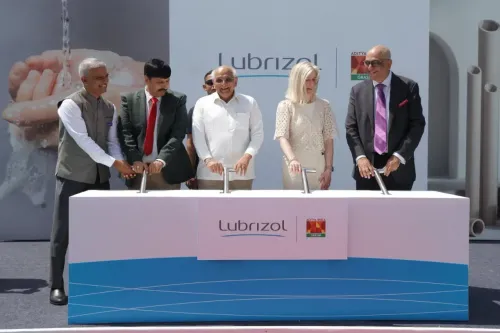
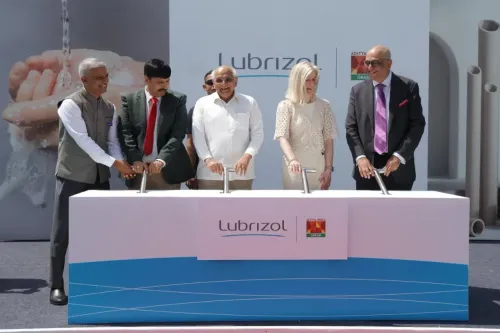
A new CPVC resin manufacturing plant was inaugurated at Vilayat, Bharuch on 16 June as a joint venture between Lubrizol Corporation and Grasim Industries Limited .
The facility is among the largest and most scalable CPVC production plants in India, targeting residential, commercial, and industrial pipe and fittings markets.
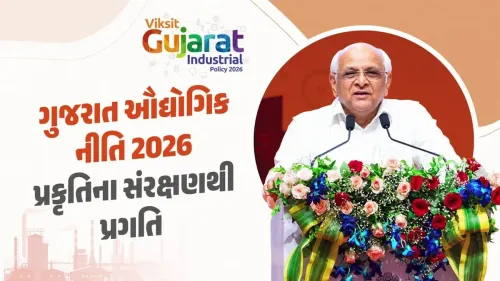
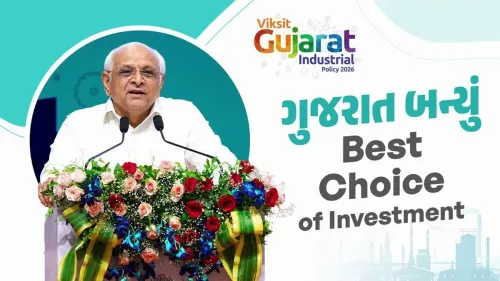
Gujarat's New Industrial Policy-2026 is expected to further attract investment and position the state as a global manufacturing hub.
Lubrizol CEO Rebecca Liebert said the plant supports India's manufacturing self-reliance and sustainable solutions across mobility and healthcare sectors.
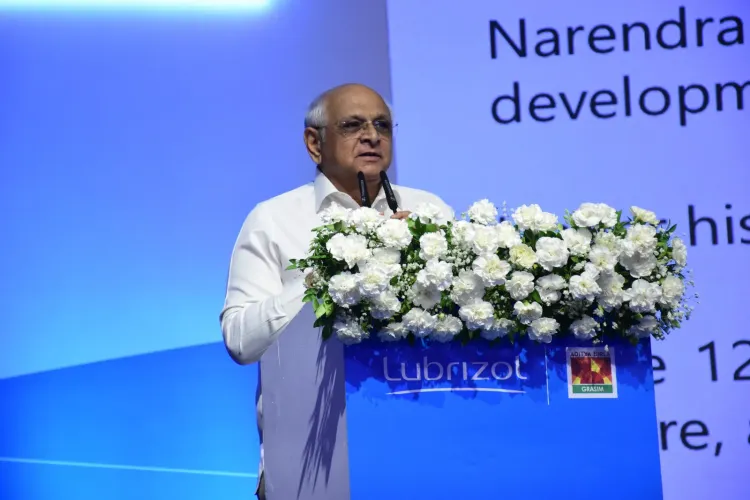
Chief Minister Bhupendra Patel on Tuesday, 16 June inaugurated a new CPVC resin manufacturing plant at Vilayat in Bharuch district, underscoring that Gujarat accounts for nearly 33 per cent of India's chemical sector output — a figure he cited as evidence of the state's industrial depth and its standing as a policy-driven investment destination.
About the New Facility
The integrated plant is a joint venture between Lubrizol Corporation and Grasim Industries Limited. It is designed to manufacture chlorinated polyvinyl chloride (CPVC) resin and compounds, primarily for pipes and fittings used in residential, commercial, and industrial applications. Described as one of the largest and most scalable CPVC production facilities in the country, the plant is expected to bolster domestic supply chain resilience and support safe water distribution infrastructure.
What CM Patel Said
Addressing the inauguration ceremony, Patel said Gujarat had consistently earned the confidence of domestic and international investors through development-oriented policies, robust infrastructure, and an industry-friendly governance model. 'Under the leadership of Prime Minister Narendra Modi, India had entered a new phase of development-oriented governance and Gujarat had benefited from this approach for more than two and a half decades,' he said.
Patel added that the state's New Industrial Policy-2026 would open a fresh chapter in Gujarat's development journey by encouraging industry, investment, and innovation — reinforcing its position as a global manufacturing hub. He also linked ongoing initiatives to the Prime Minister's 'Make in India' and 'Vocal for Local' frameworks, saying these were now advancing the goal of 'Make for World'.
Lubrizol's Rationale for Gujarat
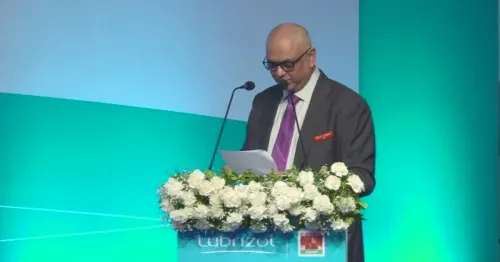
Lubrizol CEO Rebecca Liebert outlined the company's strategic reasoning for expanding its manufacturing footprint in India, particularly in Gujarat. 'The company's products were designed to support sustainable solutions across sectors, including mobility and healthcare, while contributing to improvements in quality of life,' she noted. Liebert said the Vilayat facility would directly support India's goal of self-reliance in manufacturing.
Broader Industrial Context
Gujarat's chemical sector dominance is underpinned by the Vibrant Gujarat Summit ecosystem, which has attracted successive rounds of national and international investment. Patel noted that large-scale industrial projects generate employment not just directly but also through downstream opportunities for micro, small and medium enterprises (MSMEs) and supply chain businesses, strengthening the local economy. He urged industries to pursue sustainable growth models, stating that 'balanced progress could only be achieved through the simultaneous advancement of industrial development and environmental protection.'
What Comes Next
With the New Industrial Policy-2026 in place and the Vilayat CPVC plant now operational, Gujarat appears set to deepen its lead in India's chemicals and manufacturing landscape. The facility's scalability positions it as a potential export-oriented hub, aligning with the Centre's broader 'Make for World' ambitions. Industry observers will watch whether similar joint ventures follow, particularly in specialty chemicals and advanced materials.
Point of View
Trained labour, and established supplier networks that greenfield sites elsewhere cannot replicate quickly. The real test for the New Industrial Policy-2026 is whether it can translate headline investment announcements into verifiable MSME linkages and jobs at the district level — not just in Bharuch's established chemical corridor, but in Gujarat's less-developed pockets. The 'Make for World' framing is ambitious; delivery will depend on whether export infrastructure keeps pace with expanded production capacity.
NationPress
16 Sept 2026
Frequently Asked Questions
What is the new CPVC plant inaugurated in Bharuch, Gujarat?
It is a joint venture manufacturing facility between Lubrizol Corporation and Grasim Industries Limited, located at Vilayat in Bharuch district. The plant produces chlorinated polyvinyl chloride (CPVC) resin and compounds for pipes and fittings used in residential, commercial, and industrial applications, and is among the largest CPVC production facilities in India.
Why does Gujarat hold 33 per cent of India's chemical sector?
Gujarat's dominance in India's chemical sector is attributed to decades of development-oriented policies, strong industrial infrastructure, and investment facilitation through platforms like the Vibrant Gujarat Summit. The state's cluster-based chemical zones, particularly in Bharuch and Surat, have attracted successive rounds of domestic and international investment.
What is Gujarat's New Industrial Policy-2026?
The New Industrial Policy-2026 is a state government framework aimed at encouraging industry, investment, and innovation in Gujarat. CM Bhupendra Patel described it as a new chapter in the state's development journey, intended to reinforce Gujarat's position as a global manufacturing hub.
Who are Lubrizol Corporation and Grasim Industries in this project?
Lubrizol Corporation is a global specialty chemical company whose CEO Rebecca Liebert attended the inauguration. Grasim Industries Limited is an Aditya Birla Group flagship. Together, they have established the Vilayat CPVC plant as a joint venture to support India's self-reliance in high-quality CPVC manufacturing.
How does the Vilayat CPVC plant affect local employment and MSMEs?
According to CM Patel, large-scale industrial projects like this one generate direct employment and also create downstream growth opportunities for micro, small and medium enterprises (MSMEs), local industries, and supply chain businesses, thereby strengthening the broader local economy in Bharuch and surrounding areas.