How is Gujarat's ‘Gaam No Nirdhar, Sahkaare Sakar’ campaign enhancing child nutrition?
Synopsis
In Gujarat's Kheda district, the 'Gaam No Nirdhar, Sahkaare Sakar' campaign is revolutionizing child nutrition through community support. With contributions from local farmers and an active awareness drive, malnourished children are receiving essential nutritional aid. Join this inspiring movement towards a healthier future for children!
Key Takeaways
Community involvement is key in fighting child malnutrition.
Local farmers play a vital role by donating milk.
Awareness and education are essential for encouraging participation.
Celebrating special occasions can contribute to nutritional support.
Success requires a unified approach from all community members.
Ahmedabad, Dec 9 (NationPress) The Kheda district of Gujarat is witnessing a surge in community engagement through its groundbreaking nutrition campaign, “Gaam No Nirdhar, Sahkaare Sakar,” initiated on November 14 to address child malnutrition via collective efforts.
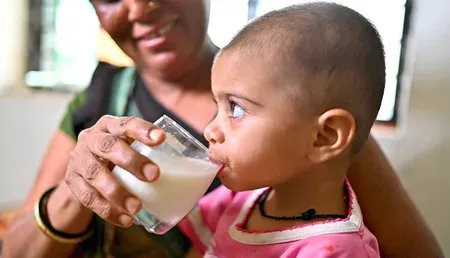
Led by District Collector Amit Prakash Yadav and backed by Amul Dairy, this initiative encourages local dairy farmers to voluntarily contribute small amounts of milk daily for undernourished children in anganwadis.
Awareness meetings have been conducted with milk cooperatives in Matar, Nadiad, Vaso, Mahemdavad, and Kathlal, where local MLAs and Amul representatives have motivated residents to bolster the campaign.
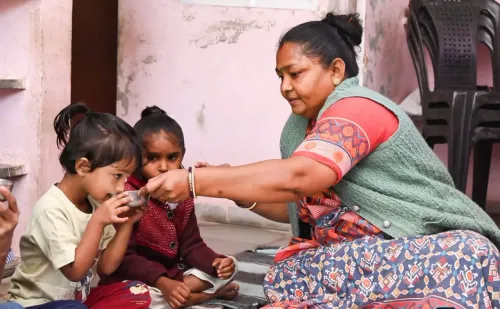
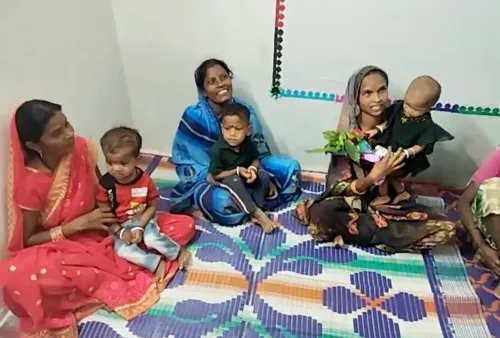
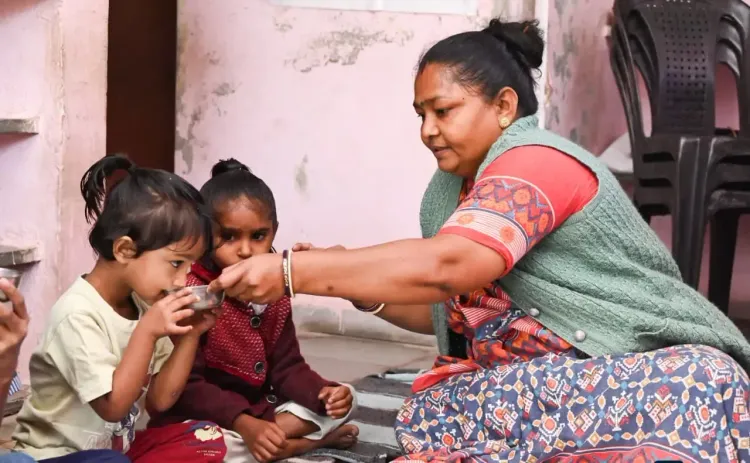
At village dairy centers, participating farmers donate 10 ml, 30 ml, 50 ml, or more into a special container called the ‘Aashirwad Patra’. The gathered milk is then distributed daily to malnourished children by anganwadi workers, offering essential nutritional assistance to some of the district’s most at-risk youths.
Community members are also encouraged to commemorate birthdays, anniversaries, and festivals by donating nutritious foods -- like jaggery, pulses, peanuts, and dates -- to their nearest anganwadi.
“Malnutrition is a challenge even more complex than cancer,” Collector Yadav emphasized to villagers, highlighting the necessity of treating child nutrition as a communal responsibility.
He called for comprehensive support for anganwadi workers and urged government employees to set an example by participating.
District Development Officer Jayant Kishore added that ensuring a healthy future generation is a collective duty not just for parents but for the entire community, including village leaders, talatis, and educators.
To date, the campaign has amassed 4,771.95 liters of milk, benefiting over 3,000 children daily. With strong support from dairy cooperatives and residents, the administration aims to broaden the initiative across all talukas, moving Kheda closer to achieving its goal of becoming a malnutrition-free district.
The district administration and Amul Dairy have expressed their gratitude to villagers, milk unions, and livestock farmers for their remarkable support of this humanitarian cause.
Point of View
I observe that community-driven initiatives like 'Gaam No Nirdhar, Sahkaare Sakar' represent a paradigm shift in addressing child malnutrition. By fostering collaboration among local stakeholders, these efforts not only alleviate immediate nutritional deficiencies but also cultivate a sense of shared responsibility for our future generations. It is essential for such grassroots movements to receive recognition and support across the nation.
NationPress
24 Sept 2026
Frequently Asked Questions
What is the 'Gaam No Nirdhar, Sahkaare Sakar' campaign?
It is an initiative in Gujarat's Kheda district aimed at combating child malnutrition through community involvement.
How can community members participate?
Residents can contribute by donating milk or nutritious foods to local anganwadis and encouraging others to join the effort.
Who leads the campaign?
The campaign is spearheaded by District Collector Amit Prakash Yadav, with support from Amul Dairy.
What impact has the campaign had so far?
The campaign has collected over 4,771 liters of milk, benefiting more than 3,000 malnourished children daily.
Why is child nutrition important?
Addressing child malnutrition is crucial for the health and development of future generations and requires collective community effort.