How is Chhattisgarh's ‘Laika Ghar’ Addressing Child Malnutrition?
Synopsis
Dhamtari's innovative initiative, 'Laika Ghar', aims to tackle child malnutrition head-on by providing nutritious meals to vulnerable children. This grassroots effort not only ensures better health for young ones but also strives to create equal opportunities for a healthy future. Discover how this project can change lives in Khudurpani.
Key Takeaways
Laika Ghar aims to combat child malnutrition in Dhamtari.
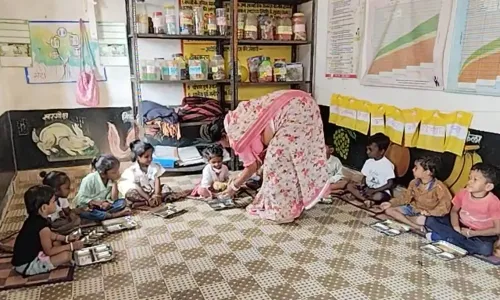
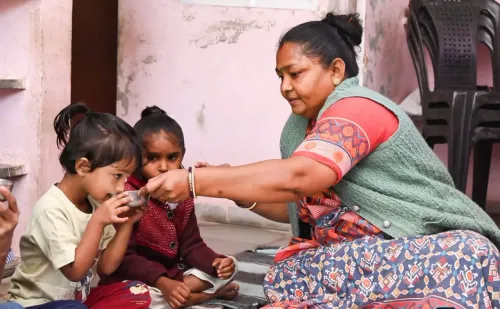
Daily hot meals are provided to children at Anganwadi centres.
The initiative focuses on nutritional needs for optimal growth.
Local authorities are committed to expanding the program district-wide.
Grassroots efforts are crucial for addressing health disparities.
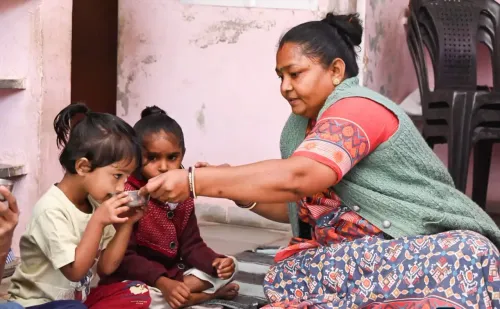
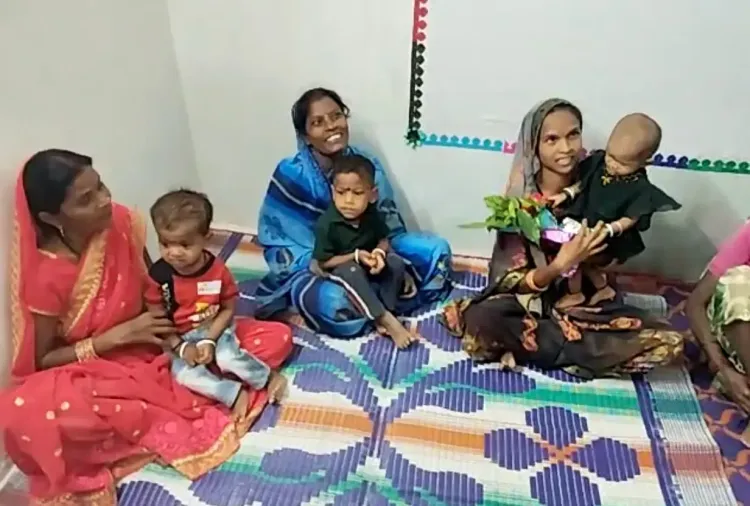
Dhamtari, Oct 16 (NationPress) In a transformative effort to eliminate malnutrition from its foundational roots, the district administration of Dhamtari, Chhattisgarh, has launched a groundbreaking initiative known as "Laika Ghar" (Children's Home) in the tribal village of Khudurpani.
Guided by the Central Government, which invests substantial amounts each year to combat malnutrition and promote a healthier future for the country, this program is designed to deliver daily hot and nutritious meals to children who attend local Anganwadi centres.
In India, malnutrition remains one of the primary contributors to child mortality, particularly in tribal and underserved areas. The absence of access to healthy food during the critical early years can result in severe health complications, stunted growth, and even loss of life. Acknowledging this pressing concern, both state and central authorities are collaborating to ensure that every child receives the nourishment they require.
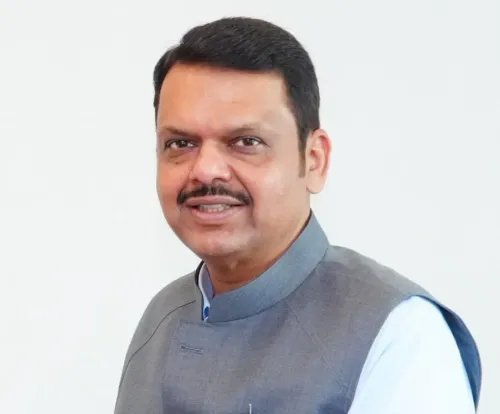
The Laika Ghar in Khudurpani was inaugurated by Dhamtari Collector Avinash Mishra, who highlighted that such facilities are vital in addressing malnutrition rates within the district.
“The Laika Ghar will serve as a powerful asset in our battle against malnutrition. We aim to establish similar centres in every village of the district to transform Dhamtari into a malnutrition-free area,” stated Collector Avinash Mishra.
Children visiting the Laika Ghar will be provided with a thoughtfully assembled diet featuring milk, ragi (finger millet), madia (local cereal), and other nourishing local foods, customized to support their growth and developmental requirements.
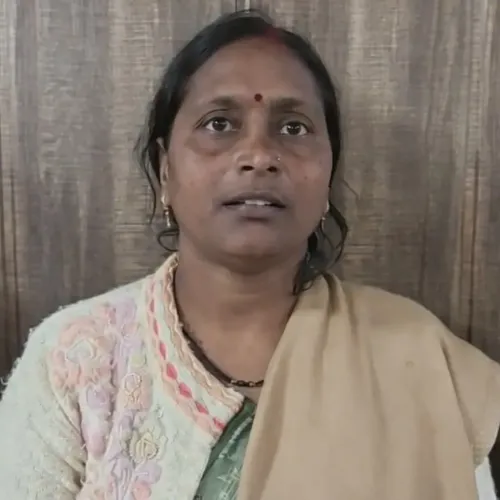
Local Anganwadi worker Manjulata Sahu expressed hope: “Children here will now have access to consistent nutritious meals. This will significantly enhance their health and vitality.”
Through such grassroots initiatives, the objective is not just to combat malnutrition but to guarantee that every child—irrespective of their economic circumstances—receives an equal chance for a healthy start in life.
Point of View
The initiative launched by Dhamtari's administration highlights the urgent need to address child malnutrition in India. As a nation, we must prioritize such grassroots programs to ensure that every child has access to the nourishment essential for their growth and development. This commitment is crucial for building a healthier future for our next generation.
NationPress
26 Jul 2026
Frequently Asked Questions
What is 'Laika Ghar'?
Laika Ghar is an initiative launched in Dhamtari, Chhattisgarh, aimed at providing nutritious meals to children attending local Anganwadi centres to combat malnutrition.
How does 'Laika Ghar' help children?
The program offers daily hot meals featuring a variety of nutritious local foods to support children's growth and health.
Who inaugurated 'Laika Ghar'?
The initiative was inaugurated by Dhamtari Collector Avinash Mishra.
Why is addressing malnutrition important?
Malnutrition is a leading cause of child mortality and can lead to serious health issues, especially in underprivileged areas.
What are the future plans for 'Laika Ghar'?
There are plans to establish similar centres in every village of Dhamtari to create a malnutrition-free district.