Surat flood relief: Gujarat announces ₹550 crore aid, loan interest support
Synopsis
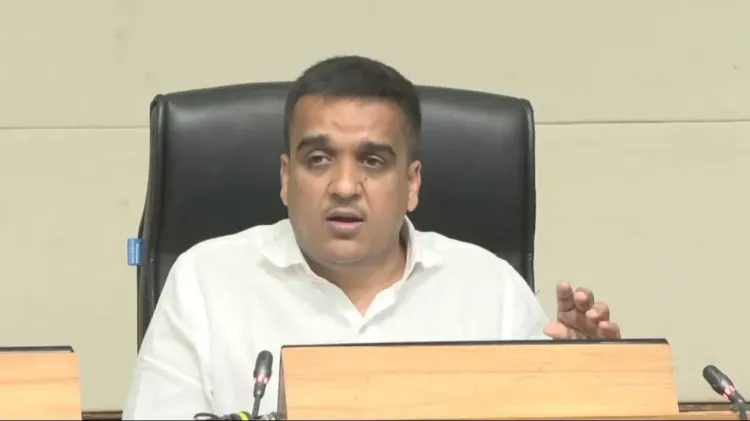
A week after 20 inches of rain paralysed Surat, Gujarat's Cabinet has cleared what Deputy CM Harsh Sanghavi called the largest rain-relief package ever announced for a municipal area — ₹550 crore over three years, covering direct cash payouts, a tiered loan interest subsidy for GST-registered traders, and a one-year property tax waiver for flood-hit homes and shops.
Key Takeaways
The Gujarat Cabinet approved a ₹550 crore flood relief package for Surat on 15 July , one week after record rains on 6 July .
Over 19,000 citizens have already received cash and household assistance; around 36,000 upper-floor residents received special aid for loss of work.
Direct aid ranges from ₹7,500 for handcart owners to ₹1 lakh for permanent shop owners.
GST-registered traders can access loans up to ₹30 lakh with the state bearing 7% interest for three years .
A one-year municipal property tax exemption has been approved for verified flood-damaged properties.
Application forms will be accepted within 48 hours ; a detailed sector-wise damage assessment is pending.
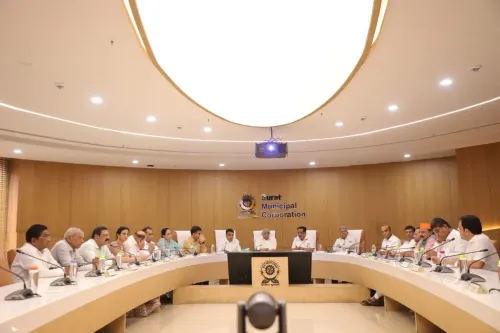
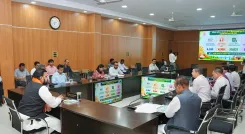
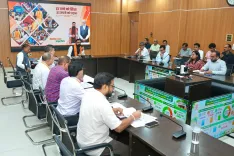
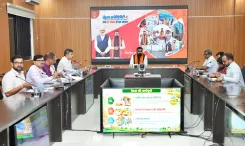
The Gujarat government has unveiled a comprehensive relief package worth approximately ₹550 crore for residents, traders, and businesses devastated by record flooding in Surat earlier this month, with the measures to be disbursed over three years. The package was approved at a Cabinet meeting chaired by Chief Minister Bhupendra Patel on Wednesday, 15 July, one week after torrential rains on 6 July submerged large parts of the city.
Scale of the Flooding
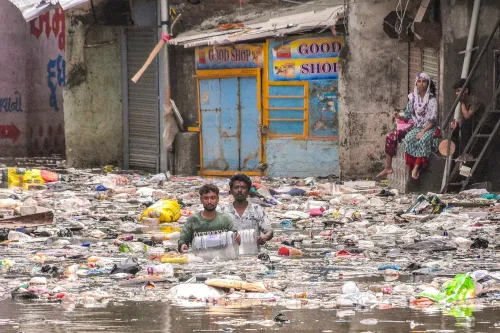
Surat received roughly 20 inches of rainfall within two days, triggering one of the most severe inundation events in the city's recent history. Thousands of residents were evacuated from low-lying localities, schools were shut for several days, and residential, commercial, and industrial areas suffered extensive damage. Around 9,000 sanitation workers — including personnel deployed from municipal corporations across Gujarat — have been working continuously for the past week to restore normalcy.
Cash Aid Already Flowing
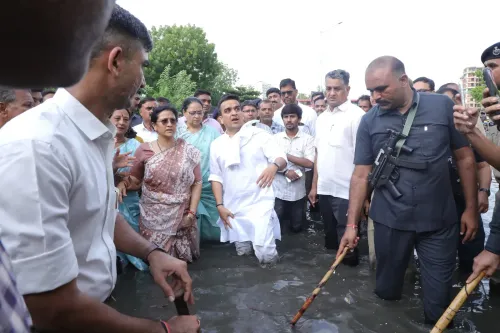
Deputy Chief Minister Harsh Sanghavi said that relief disbursements began immediately after Chief Minister Patel visited Surat and directed officials to conduct comprehensive damage surveys and begin payouts without delay. According to Sanghavi, more than 19,000 citizens have already received cash assistance and household aid. Additionally, more than 19,800 people whose ground-floor homes were flooded have received assistance, while around 36,000 residents living on upper floors — who could not attend work despite not sustaining property damage — have been covered under a special assistance provision.
Support for Traders and Commercial Establishments
The package introduces a tiered structure of direct financial support for affected businesses. Owners of damaged handcarts and pushcarts will receive ₹7,500, while cabin owners with premises up to 40 square feet will get ₹25,000. Cabins larger than 40 square feet will receive ₹50,000, and owners of permanent shops are eligible for ₹1 lakh in direct assistance.
For GST-registered traders operating permanent shops, the government has introduced an interest subsidy scheme under which the state will bear 7% interest on business loans for three years. Traders with annual GST turnover of up to ₹7.5 lakh can avail loans up to ₹20 lakh with interest support of up to ₹5 lakh. Those with turnover between ₹7.5 lakh and ₹15 lakh are eligible for loans up to ₹25 lakh with interest assistance of up to ₹8 lakh, while businesses with turnover above ₹15 lakh can access loans up to ₹30 lakh with interest support of up to ₹10 lakh. Eligible beneficiaries will have to choose between direct cash assistance and the interest subsidy scheme.
Property Tax Exemption and Application Process
The Cabinet also approved a one-year exemption from municipal property tax for houses, shops, and business establishments that suffered verified flood damage. Application forms for assistance are set to be accepted within 48 hours, supervised by the district administration to enable swift disbursal. Affected traders and business owners were asked from the outset to document damage through photographs and videos to simplify verification.
What Officials Said and What Comes Next
'This is the biggest package announced so far for rain-related damage by a municipal corporation or any area. We want to stand shoulder to shoulder with the affected people and help them restart their livelihoods,' Sanghavi said. He noted that the relief package was drawn up on the basis of field assessments conducted personally by him over three days, alongside Chief Minister Patel and Union Jal Shakti Minister C.R. Patil. A detailed sector-wise assessment covering residential, commercial, and industrial losses is expected after the ongoing survey exercise is completed. Sanghavi also indicated the government remains open to adding categories of affected people that may have been inadvertently excluded. Floodwaters have largely receded across Surat, with sanitation drives, disease prevention measures, and financial assistance programmes continuing in parallel.
Point of View
Documentation hurdles exclude the most vulnerable, and disbursements arrive after businesses have already collapsed. The 48-hour application window is a positive signal, but the decision to make direct cash and the interest subsidy mutually exclusive may inadvertently disadvantage traders who need both immediate liquidity and medium-term credit support. A detailed sector-wise damage report is still pending, which means the ₹550 crore figure could shift significantly once ground-level losses are fully tallied.
NationPress
14 Oct 2026
Frequently Asked Questions
What is the Gujarat flood relief package for Surat?
It is a ₹550 crore assistance package approved by the Gujarat Cabinet on 15 July for residents, traders, and businesses affected by the severe flooding in Surat caused by record rainfall on 6 July. The package includes direct cash aid, a loan interest subsidy for GST-registered traders, and a one-year municipal property tax exemption for flood-damaged properties.
How much financial aid will Surat traders receive?
Traders will receive tiered direct assistance ranging from ₹7,500 for handcart owners to ₹1 lakh for permanent shop owners. GST-registered traders can additionally opt for a loan interest subsidy scheme under which the state bears 7% interest for three years on business loans of up to ₹30 lakh, depending on their annual turnover.
How many people have already received flood relief in Surat?
As of 15 July, more than 19,000 citizens had received cash and household assistance. Over 19,800 ground-floor residents whose homes were flooded have been covered, and around 36,000 upper-floor residents who lost workdays received special assistance.
What is the property tax exemption announced for Surat flood victims?
The Gujarat Cabinet approved a one-year exemption from municipal property tax for houses, shops, and business establishments that suffered flood damage verified through the official survey and photographic evidence submitted by affected owners.
When can flood-affected residents and traders apply for relief?
Application forms are set to be accepted within 48 hours of the Cabinet announcement, under the supervision of the district administration. Affected individuals were asked to submit photographs and videos of flood damage from the outset to simplify the verification process.