Gujarat announces ₹550 crore relief package for Surat flood victims
Synopsis
A week after 20 inches of rain swamped Surat in two days, Gujarat has approved its largest-ever rain-damage relief package — ₹550 crore over three years — covering direct cash payouts to over 75,000 citizens, tiered grants for traders, a GST-linked interest subsidy on business loans, and a one-year property tax waiver. The scale signals political urgency as much as administrative response.
Key Takeaways
The Gujarat Cabinet approved a ₹550 crore flood relief package for Surat on 15 July , to be disbursed over three years .
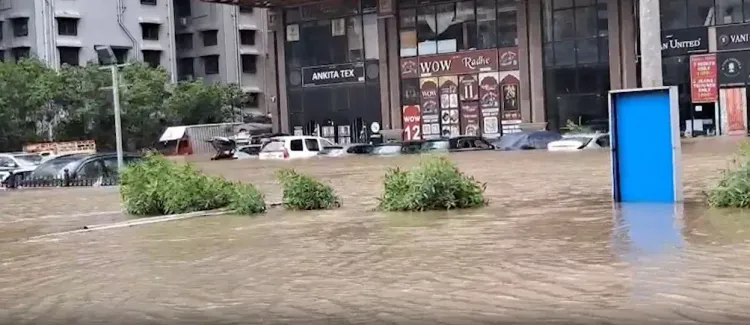
Surat received approximately 20 inches of rainfall in two days from 6 July , triggering widespread flooding.
More than 19,000 citizens have already received cash dole; over 19,800 ground-floor residents and around 36,000 upper-floor residents have received targeted assistance.
GST-registered traders can access loans of up to ₹30 lakh with the state bearing 7% interest for three years, depending on turnover.
Permanent shop owners will receive up to ₹1 lakh in direct assistance; handcart and pushcart owners will receive ₹7,500 .
A one-year municipal property tax exemption has been approved for all verified flood-damaged properties.
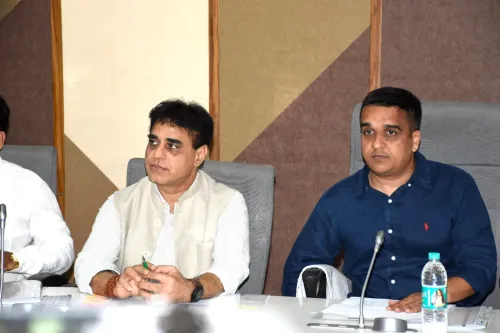
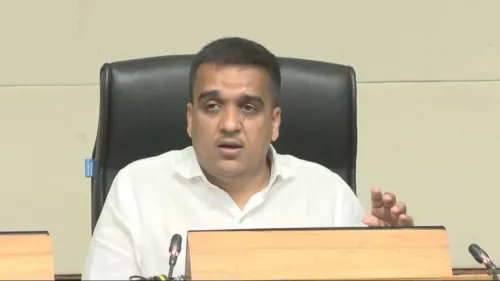
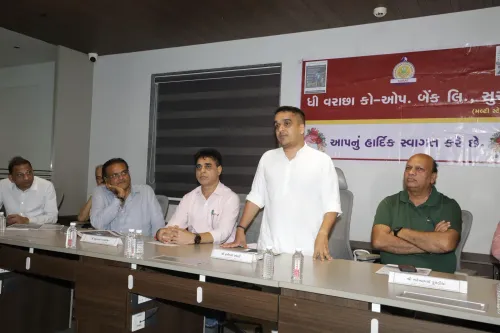
The Gujarat government on Wednesday, 15 July approved a ₹550 crore comprehensive relief package for residents, traders, and businesses devastated by the Surat floods, with Deputy Chief Minister Harsh Sanghavi confirming the outlay will be disbursed over three years. The package, cleared at a Cabinet meeting chaired by Chief Minister Bhupendra Patel, covers direct cash assistance, interest subsidies on business loans, and a one-year property tax exemption for flood-affected properties.
What Triggered the Crisis
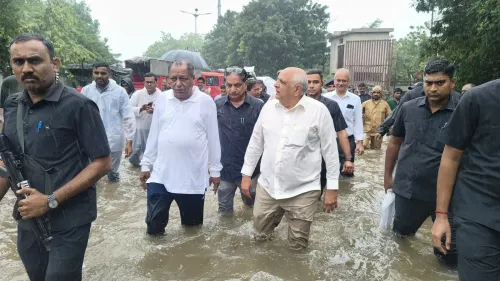
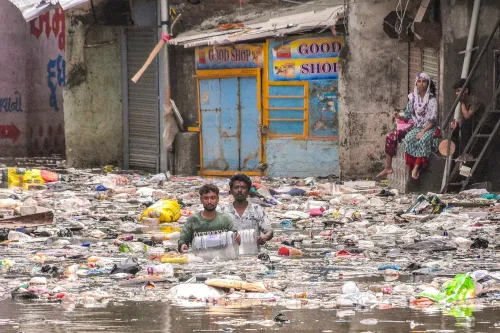
Torrential rain beginning 6 July inundated residential, commercial, and industrial zones across Surat after the city recorded approximately 20 inches of rainfall within two days — among the most severe rain events in its recent history. Large-scale evacuations were carried out from low-lying areas, schools remained shut, and relief operations continued for several days. Around 9,000 sanitation workers, including personnel drafted from municipal corporations across Gujarat, have been working round the clock for over a week to restore normalcy.
Direct Assistance to Citizens and Traders
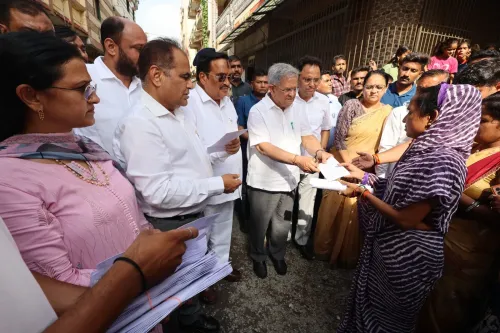
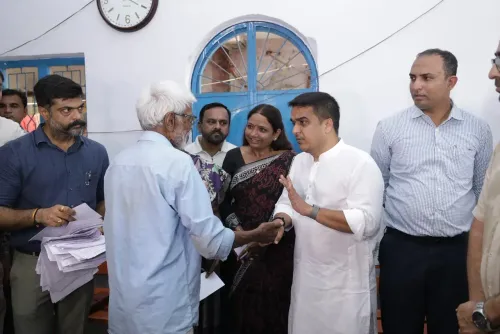
According to Sanghavi, cash dole and household assistance have already been paid to more than 19,000 citizens. More than 19,800 ground-floor residents whose homes were flooded have received property damage support, while around 36,000 upper-floor residents who could not attend work — despite not suffering direct property loss — have been given special assistance.
For commercial establishments, the government has structured payouts by size. Owners of damaged handcarts and pushcarts will receive ₹7,500, cabin owners with premises up to 40 square feet will receive ₹25,000, those with larger cabins will get ₹50,000, and permanent shop owners will receive ₹1 lakh in direct assistance.
Interest Subsidy Scheme for GST-Registered Traders
For GST-registered traders operating permanent shops, the government has introduced an interest subsidy under which the state will bear 7% interest on business loans for three years. Traders with annual GST turnover up to ₹7.5 lakh can avail loans up to ₹20 lakh with interest support of up to ₹5 lakh. Those with turnover between ₹7.5 lakh and ₹15 lakh are eligible for loans up to ₹25 lakh with interest assistance up to ₹8 lakh, while businesses with turnover above ₹15 lakh can access loans up to ₹30 lakh with interest support of up to ₹10 lakh. Eligible beneficiaries must choose between direct cash assistance and the interest subsidy scheme.
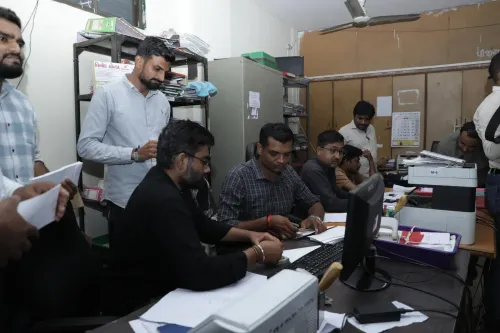
The Cabinet also approved a one-year exemption from municipal property tax for houses, shops, and business establishments with verified flood damage. Application forms are expected to be accepted within 48 hours under district administration supervision to enable quick disbursal.
Government's Assessment and Field Visits
Sanghavi said he personally visited affected residential and commercial areas over three days alongside elected representatives, Chief Minister Bhupendra Patel, and Union Jal Shakti Minister C.R. Patil. The relief package was prepared on the basis of those field assessments and preliminary surveys. A detailed sector-wise assessment covering residential, commercial, and industrial losses will be released once the full survey exercise is completed.
'This is the biggest package announced so far for rain-related damage by a municipal corporation or any area. We want to stand shoulder to shoulder with the affected people and help them restart their livelihoods,' Sanghavi said. He added that the government remained open to including any category of affected people that may have been overlooked after the survey.
Road to Recovery
Floodwaters have largely receded across Surat, and restoration work is ongoing. The state government has said it is working to reinstate normal civic services while continuing sanitation drives, disease prevention measures, and financial assistance for affected families. With application windows opening shortly and disbursements structured over three years, the pace of actual relief delivery will be closely watched.
Point of View
A claim that invites scrutiny. What matters now is disbursement speed: Gujarat's history with post-disaster relief has seen survey delays stretch payouts well beyond announced timelines. The decision to let traders choose between direct cash and the interest subsidy is pragmatic, but the 48-hour application window will test district administration capacity in a city still clearing floodwater. The one-year property tax waiver is a meaningful gesture, but the real measure of this package will be whether the sector-wise industrial loss survey — still pending — results in adequate compensation for Surat's large textile and diamond-trading economy, which drives a disproportionate share of Gujarat's exports.
NationPress
14 Oct 2026
Frequently Asked Questions
What is the Gujarat government's ₹550 crore Surat flood relief package?
It is a comprehensive state relief package approved by the Gujarat Cabinet on 15 July, worth ₹550 crore to be disbursed over three years. It covers direct cash assistance to residents, tiered grants for traders and commercial establishments, an interest subsidy scheme for GST-registered businesses, and a one-year municipal property tax exemption for verified flood-damaged properties.
How much financial assistance will Surat flood-affected traders receive?
Assistance is structured by establishment size: handcart and pushcart owners receive ₹7,500; cabin owners with premises up to 40 sq ft get ₹25,000; larger cabin owners receive ₹50,000; and permanent shop owners receive ₹1 lakh. GST-registered traders can additionally access business loans of up to ₹30 lakh with the state bearing 7% interest for three years.
How many people have received flood relief in Surat so far?
As of 15 July, more than 19,000 citizens have received cash dole and household assistance. Over 19,800 ground-floor residents whose homes were flooded have received property damage support, and around 36,000 upper-floor residents who could not attend work have received special assistance.
What caused the Surat floods in July 2025?
Torrential rain beginning 6 July brought approximately 20 inches of rainfall to Surat within two days, inundating residential, commercial, and industrial areas. Large-scale evacuations were carried out, schools were shut, and around 9,000 sanitation workers were deployed to restore normalcy.
When will Surat flood relief applications be accepted?
Application forms are expected to open within 48 hours of the Cabinet announcement on 15 July, under district administration supervision, to enable quick disbursal. Affected traders were asked from the first day to document damage through photographs and videos to simplify verification.