Surat floods: Deputy CM Sanghavi tours hit industrial zones, orders swift restoration
Synopsis
Gujarat Deputy CM Harsh Sanghavi walked the waterlogged aisles of Surat's textile markets and industrial estates on 10 July, ordering officials to fast-track drainage and restoration. With ₹35.21 lakh already disbursed to 1,185 residents and 227 government personnel conducting door-to-door surveys, the scale of the flood's economic bite on one of India's top textile hubs is only beginning to emerge.
Key Takeaways
Gujarat Deputy CM Harsh Sanghavi visited flood-hit industrial zones in Surat on 10 July , inspecting Maruti Industrial Estate, Pandesara and the Millennium Textile Market .
He directed officials to expedite drainage, restore utilities, and resolve industrialists' concerns without delay.
227 officers and employees in 41 teams were deployed for door-to-door damage surveys by District Collector Tejas Parmar .
Relief of ₹35.21 lakh disbursed to 1,185 residents — ₹11 lakh in cash doles for 701 beneficiaries and ₹24.20 lakh in household assistance for 484 people.
Further government payments are to be released as damage assessments are completed across the city.
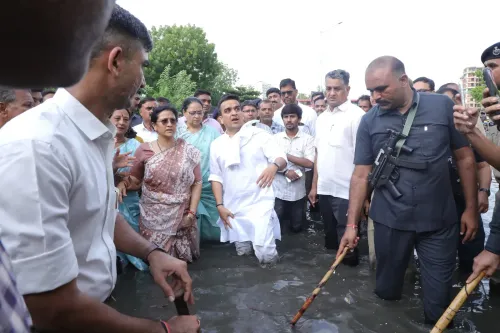
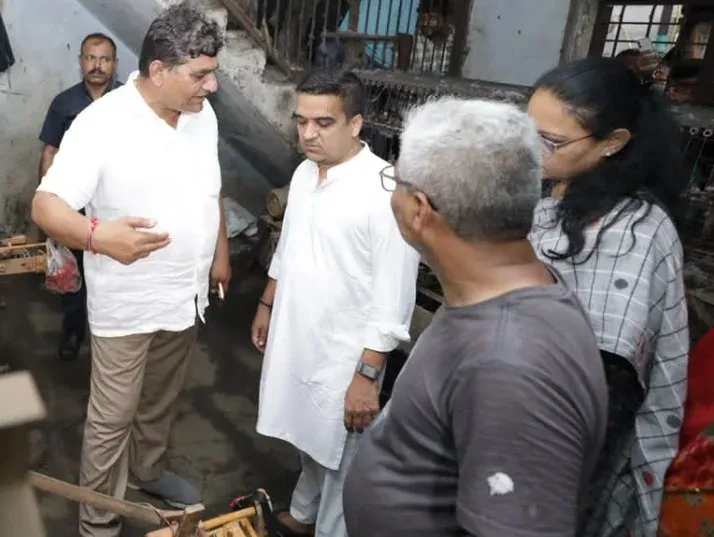
Gujarat Deputy Chief Minister Harsh Sanghavi on Friday, 10 July visited flood-affected industrial areas in Surat to assess the damage wrought by heavy rainfall on manufacturing units and textile businesses, directing officials to accelerate drainage operations, restore essential utilities, and resolve concerns raised by industrialists without delay.
Key Developments
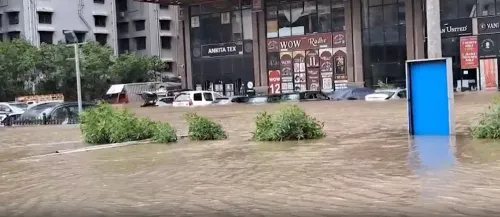
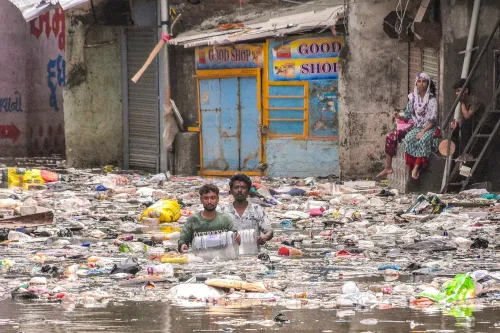
Sanghavi inspected Maruti Industrial Estate in Pandesara and the Millennium Textile Market near Kamela Darwaja, where factories and commercial establishments had been inundated following widespread waterlogging across the city and its adjoining industrial belts. He met directly with industrialists and traders to gauge the scale of damage to factories, machinery, and goods, and to understand the disruption to production and business activity caused by the flooding.
Sanghavi instructed concerned departments to ensure rapid clearance of accumulated water, restoration of basic infrastructure, and prompt resolution of issues flagged by affected industrial units. MLA Manu Patel, Surat Mayor Maya Mavani, District Collector Tejas Parmar, Police Commissioner (In-charge) Wabang Jamir, Surat Municipal Corporation officials, public representatives, and industrialists accompanied the Deputy Chief Minister during the visit.
What the Government Said
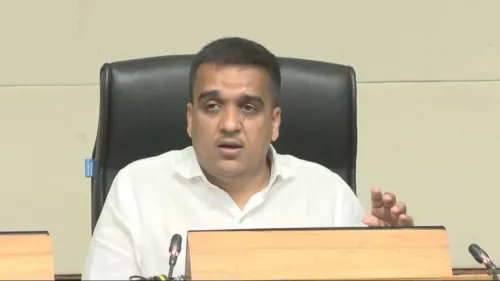
'The state government stands with the affected industrialists and is taking all necessary steps to help industrial activities return to normal at the earliest,' Sanghavi said during the inspection. The visit underscores the administration's focus on Surat's industrial corridor, which constitutes a major pillar of Gujarat's economy and was among the worst-hit zones due to its low-lying topography.
Relief Operations on the Ground
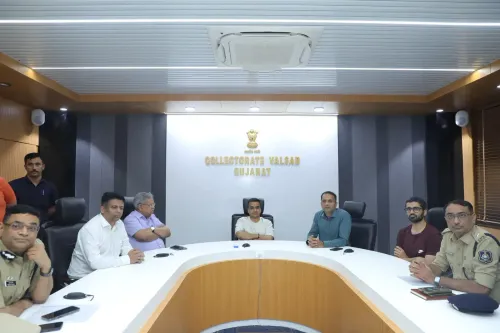
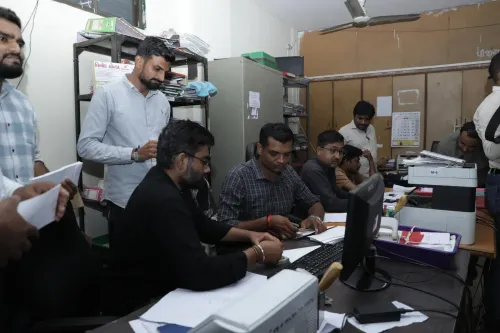
Earlier on Friday, Surat District Collector Tejas Parmar deployed 227 officers and employees across 41 teams to conduct door-to-door surveys in flood-affected localities. The teams were tasked with assessing damage to homes and property to facilitate the disbursement of government assistance.
According to the district administration, relief amounting to ₹35.21 lakh had been distributed to 1,185 affected residents by the afternoon of 10 July. This comprised ₹11 lakh in cash doles for 701 beneficiaries and ₹24.20 lakh in household assistance for 484 people. Further payments are to be released as surveys are completed.
Impact on Surat's Industrial Economy
Surat is one of India's foremost textile and diamond-processing hubs, and waterlogging in its industrial estates carries outsized economic consequences. The flooding of the Millennium Textile Market — a key trading node — and the Pandesara industrial zone signals potential disruption to supply chains that extend well beyond the city. Notably, Surat's low-lying industrial belts have faced recurring inundation during monsoon seasons, raising questions about long-term drainage infrastructure investment.
What Happens Next
Restoration work is underway alongside continuing relief operations in residential neighbourhoods. Damage assessments across the city are ongoing, with additional government assistance expected to be disbursed as survey data is compiled. Authorities have indicated that the pace of drainage clearance and utility restoration will determine how quickly industrial activity can resume.
Point of View
But Surat's case demands more than photo-ops. The city's textile and manufacturing corridors are perennially vulnerable to waterlogging — a structural problem that annual relief disbursements cannot fix. The real question is whether this visit translates into capital investment in industrial drainage infrastructure, or whether Surat's industrialists will face the same flooding again next July. With Gujarat's economy heavily reliant on Surat's export-oriented textile sector, the cost of inaction compounds every monsoon.
NationPress
10 Oct 2026
Frequently Asked Questions
Why did Gujarat Deputy CM Harsh Sanghavi visit Surat on 10 July?
Sanghavi visited Surat on 10 July to inspect flood-affected industrial areas, including Maruti Industrial Estate in Pandesara and the Millennium Textile Market, following heavy rainfall that caused widespread waterlogging. He met industrialists and traders to assess damage and directed officials to expedite drainage and restore essential services.
How much flood relief has been distributed in Surat so far?
According to the district administration, ₹35.21 lakh in relief had been disbursed to 1,185 affected residents by the afternoon of 10 July. This included ₹11 lakh in cash doles for 701 beneficiaries and ₹24.20 lakh in household assistance for 484 people, with further payments pending completion of surveys.
Which industrial areas in Surat were worst affected by the floods?
Maruti Industrial Estate in Pandesara and the Millennium Textile Market near Kamela Darwaja were among the worst-hit areas, with factories and commercial establishments inundated due to waterlogging following heavy rainfall.
How many personnel are conducting flood damage surveys in Surat?
District Collector Tejas Parmar deployed 227 officers and employees across 41 teams to carry out door-to-door surveys in flood-affected localities, assessing damage to homes and property to facilitate government assistance.
Why is flooding in Surat's industrial areas particularly significant?
Surat is one of India's leading textile and manufacturing hubs, and flooding in its industrial estates disrupts supply chains with national economic consequences. The low-lying industrial belts in areas like Pandesara are recurrently vulnerable during monsoon seasons, making the damage an issue of both immediate relief and long-term infrastructure planning.