UN chief urges member states to deepen UN80 reform at General Assembly
Synopsis
Guterres has taken the UN80 reform drive to its most consequential stage yet — implementation. With the initiative now in its third phase and the 81st General Assembly underway, the Secretary-General is pressing member states to move beyond momentum and make binding decisions. The outcome will define whether the UN's most ambitious internal overhaul in decades delivers or stalls, as it has before.
Key Takeaways
UN Secretary-General Antonio Guterres briefed the General Assembly on 4 September on the progress of the UN80 Initiative .
UN80 was launched in March 2025 to mark the organisation's 80th anniversary and drive system-wide reform.
The initiative has entered its third phase , focused on decisions and implementation after earlier phases of identification and testing.
Reform is organised across three workstreams : UN Secretariat efficiency, mandate implementation review, and structural and programmatic realignments.
Guterres called on member states to deepen, not merely maintain, momentum as the 81st General Assembly session begins.
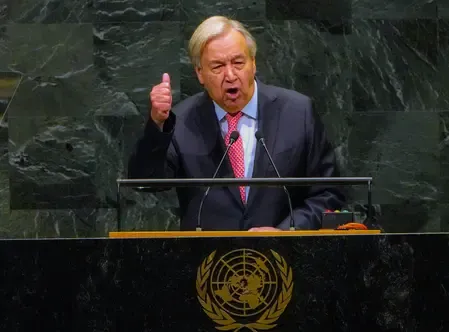
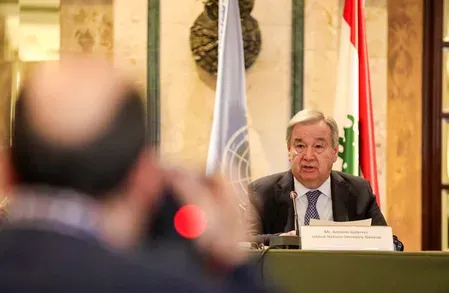
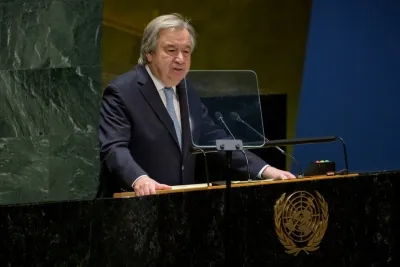
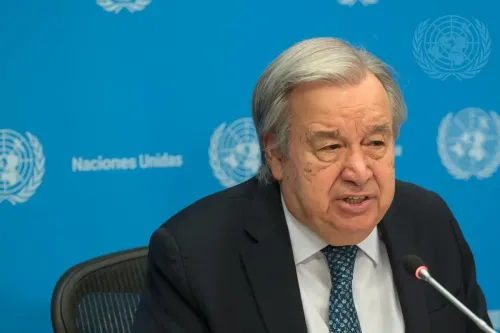
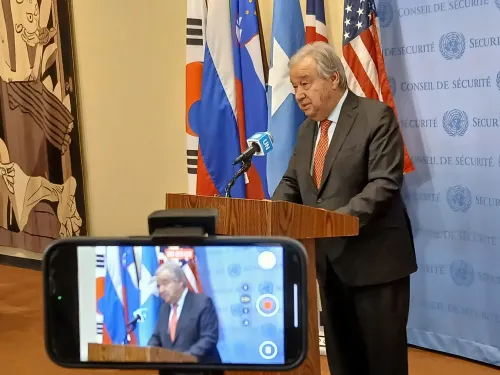
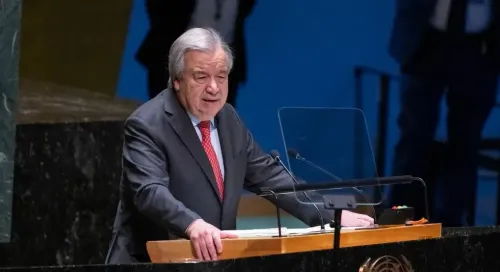
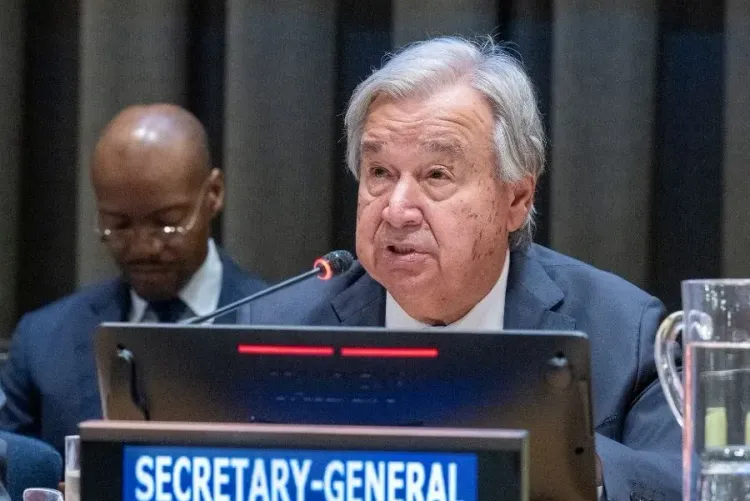
UN Secretary-General Antonio Guterres on Thursday, 4 September called on member states to accelerate and deepen reforms under the UN80 Initiative as the organisation heads into its 81st General Assembly session. The appeal came during a formal briefing to the General Assembly on the progress of UN80, a system-wide overhaul Guterres launched in March 2025 to mark the world body's 80th anniversary.
What Guterres Said
"As we head into the 81st session, I urge member states not merely to maintain the momentum of UN80, but to deepen it," Guterres told the Assembly. He framed the reform effort as a generational responsibility, invoking the founding spirit of the United Nations: "Eighty years ago, our predecessors built the United Nations because they understood that a difficult world demanded institutions capable of rising to the moment. That responsibility now belongs to us."
Guterres outlined the collective goal as handing over "a United Nations stronger than we found it: more coherent in how it works, more disciplined in how it uses its resources, and better equipped to fulfil the promises made in its name."
Three Phases, Three Workstreams
The UN80 Initiative has progressed through three distinct phases. The first was focused on identifying possibilities; the second on testing them, building evidence, and defining pathways. The initiative has now entered its third phase — centred on decisions and implementation.
The reform effort is structured around three workstreams: efficiency improvements within the UN Secretariat, a review of mandate implementation, and structural and programmatic realignments across the broader UN system. Guterres said the direction of travel across all three is "increasingly clear."
The Stakes of Reform
"When I launched UN80, I spoke of responsibility. I return to that word today because responsibility is ultimately what will determine whether this initiative succeeds," Guterres said. He set a clear benchmark for success: whether, years from now, the organisation works differently because of the choices member states make today.
The ultimate test, he argued, is whether people around the world see a United Nations that "responds more quickly and efficiently, acts more coherently, and delivers more effectively." This comes amid broader international pressure on multilateral institutions to justify their relevance and cost at a time of geopolitical fragmentation and fiscal scrutiny from major donor nations.
Why This Moment Matters
The UN80 Initiative is widely seen as the most ambitious internal reform effort the organisation has undertaken in decades. Notably, it arrives as the United Nations faces mounting questions about its effectiveness in conflict zones, climate response, and humanitarian operations. The transition from the second to the third phase marks a shift from planning to accountability — a threshold that past UN reform efforts have historically struggled to cross.
With the 81st General Assembly session now underway, the coming months will test whether member states translate political support for UN80 into concrete operational changes.
Point of View
But the UN has announced reform transitions before without structural follow-through. Guterres is right to invoke responsibility — but responsibility without enforcement is rhetoric. The real question is whether major member states, particularly those with budgetary leverage, will use this session to demand measurable outcomes or settle for process milestones. The UN's credibility gap is not a communications problem; it is a delivery problem, and no amount of phased framing resolves that without binding accountability mechanisms.
NationPress
19 Oct 2026
Frequently Asked Questions
What is the UN80 Initiative?
The UN80 Initiative is a system-wide reform effort launched by UN Secretary-General Antonio Guterres in March 2025, coinciding with the United Nations' 80th anniversary. It aims to make the organisation more efficient, coherent, and effective across its Secretariat, mandates, and programmatic structures.
What phase is the UN80 Initiative currently in?
The initiative is in its third and most critical phase, focused on decisions and implementation. The first phase identified possibilities; the second tested them and built evidence; the third is about translating those findings into concrete operational changes.
What are the three workstreams of UN80?
The three workstreams are: efficiency improvements within the UN Secretariat, a review of how existing mandates are being implemented, and structural and programmatic realignments across the broader UN system.
Why did Guterres address the General Assembly on UN80?
Guterres briefed the General Assembly on 4 September to report on UN80's progress and urge member states to deepen their commitment as the 81st session begins. He framed reform as a generational responsibility tied to the UN's founding mission.
What is the measure of success for UN80?
According to Guterres, success will be determined by whether the organisation works differently years from now as a result of decisions made during this session — specifically, whether people around the world experience a UN that responds faster, acts more coherently, and delivers more effectively.