UN chief warns of dangerous erosion of international law respect
Synopsis
At a UN Security Council debate on 27 May, Secretary-General Guterres delivered one of his starkest warnings yet: international law is eroding in real time, impunity is spreading, and the world now faces more conflicts than at any point since the UN was founded. His direct criticism of the Council’s own divisions — and his call for its reform — signals the UN chief is no longer pulling punches about the body’s structural failures.
Key Takeaways
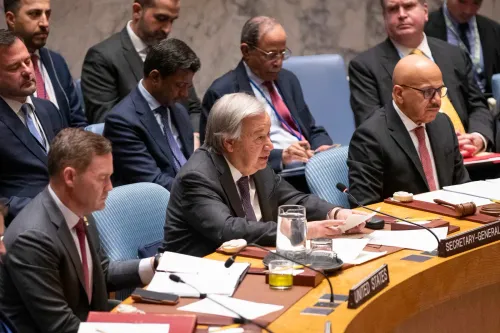
UN Secretary-General António Guterres warned of ‘a dangerous erosion’ of respect for international law at a Security Council open debate on 27 May .
He said the world faces the highest number of conflicts since the UN was founded , spanning the Middle East , Sudan , and Ukraine .
Guterres flagged growing external interference in conflicts, including the supply of drones targeting civilians.
He warned of ‘an accelerating and destabilising arms race’ adding to global instability.
The UN chief called for action on three fronts : conflict prevention, respect for international law, and Security Council reform .
He criticised the Council’s own divisions, warning their consequences ‘are felt far beyond this chamber.’
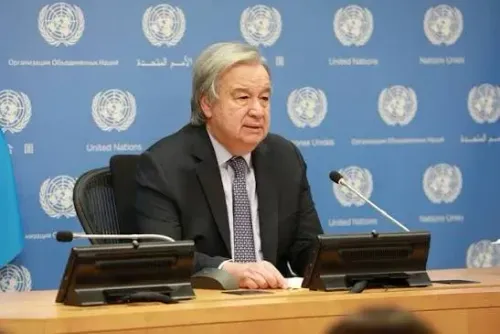
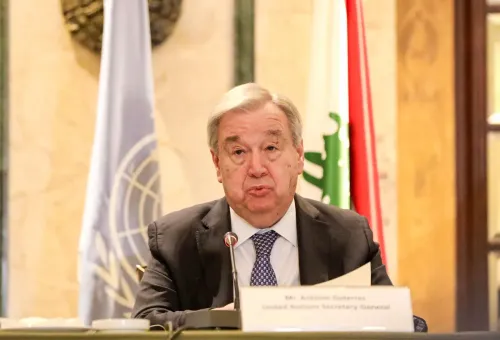
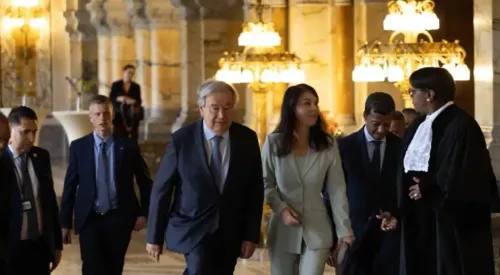
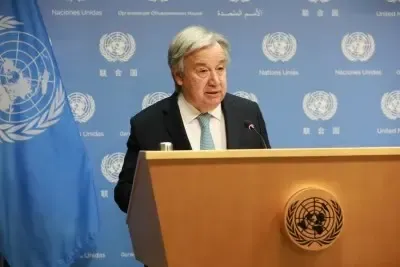
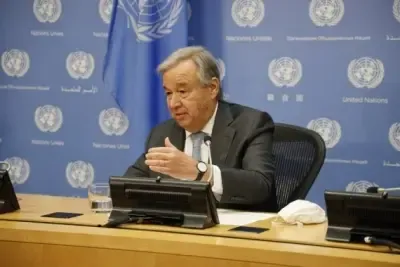
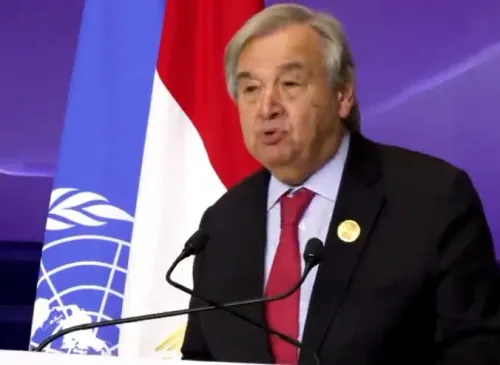
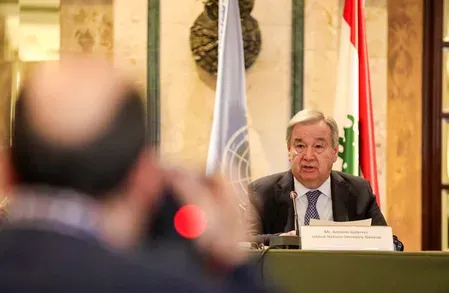
United Nations Secretary-General António Guterres on Tuesday, 27 May issued a stark warning about what he called “a dangerous erosion” of respect for international law, telling a high-level UN Security Council open debate that core legal principles are being openly challenged or ignored across the globe.
Key Developments at the Security Council Debate
Speaking at a high-level open debate on upholding the purposes and principles of the UN Charter and strengthening the UN-centred international system, Guterres said foundational norms are under severe strain. “Core principles — sovereign equality, territorial integrity, political independence, the prohibition of the threat or use of force — are being challenged or ignored. Violations go unanswered. Impunity is spreading,” he said.
The Secretary-General warned that geopolitical divisions are deepening, mistrust is growing, and consensus on critical issues is becoming increasingly difficult to achieve. He noted that the UN Charter remains humanity’s best hope for peace, but its strength depends entirely on the commitment of those responsible for upholding it.
Security Council Divisions and Their Global Consequences
Guterres directed pointed criticism at the Security Council itself, warning that internal divisions carry consequences well beyond its chamber. “And too often, this council fails to act with unity and purpose. When the Security Council is divided, the consequences are felt far beyond (this chamber),” he said.
This comes amid a broader pattern of deadlock in the Council on major crises, where competing vetoes among permanent members have repeatedly blocked coordinated responses. The debate reflects growing frustration within the UN system over the body’s diminishing effectiveness.
Record Number of Conflicts and the Arms Race Concern
Guterres said the world now faces the highest number of conflicts since the founding of the United Nations, warning of growing external interference — including the supply of weapons such as drones — that are increasingly targeting civilians and civilian infrastructure. “Violence is expanding in scale and complexity — in the Middle East, Sudan, Ukraine and beyond,” he said.
He also raised alarm over what he described as “an accelerating and destabilising arms race,” a concern that underscores the broader breakdown in multilateral security architecture. Notably, the simultaneous intensification of conflicts across three distinct regions signals a systemic challenge rather than isolated flashpoints.
What Guterres Called For
To address these compounding crises, the UN chief outlined action in three areas: conflict prevention and peacemaking, renewed respect for international law, and reform of the UN Security Council itself. He urged all Council members to uphold the UN Charter consistently, act in the genuine interests of peace, and rebuild trust through leadership and compromise.
Guterres stressed the need to strengthen the broader multilateral system, calling on member states to ensure the United Nations lives up to its founding mandate — “a forum for solutions, a guardian of international law, and a force for peace and security.”
What Comes Next
Whether the Security Council acts on Guterres’s call for reform and unity remains uncertain, given the entrenched positions of its permanent members. Analysts and member states will be watching whether the debate translates into concrete commitments or remains a forum-level statement in an increasingly fractured multilateral landscape.
Point of View
In effect, indicting the Security Council to its own face. The call for Council reform is not new — it has been a recurring demand for decades — but pairing it with a record-conflicts warning and an explicit arms-race alarm gives it unusual weight. The deeper problem is structural: the same permanent members whose vetoes paralyse the Council are also the ones most implicated in the geopolitical divisions Guterres describes. Without a credible enforcement mechanism, the Secretary-General’s appeal risks becoming another well-documented moment of institutional self-awareness that produces no institutional change.
NationPress
15 Sept 2026
Frequently Asked Questions
What did UN Secretary-General Guterres say about international law?
Guterres warned of ‘a dangerous erosion’ of respect for international law at a Security Council debate on 27 May, saying core principles such as sovereign equality and territorial integrity are being challenged or ignored, and that impunity is spreading.
Why did Guterres criticise the UN Security Council?
He said the Council too often fails to act with unity and purpose, and that when it is divided, the consequences extend far beyond its chamber. He called for Council reform as one of three priority areas to address the current global security crisis.
How many conflicts does the world currently face, according to the UN?
Guterres said the world now faces the highest number of conflicts since the founding of the United Nations, with violence expanding in scale and complexity across the Middle East, Sudan, Ukraine, and beyond.
What is the arms race concern Guterres raised?
The UN Secretary-General expressed alarm over what he described as an accelerating and destabilising arms race, warning it is compounding the risks posed by proliferating conflicts and weakening international security architecture.
What actions did Guterres call for at the Security Council debate?
He called for action in three areas: conflict prevention and peacemaking, renewed respect for international law, and reform of the UN Security Council itself. He urged all Council members to uphold the UN Charter consistently and rebuild trust through leadership and compromise.