Trump to invite Zelensky to G20 summit in Florida, Rubio signals support
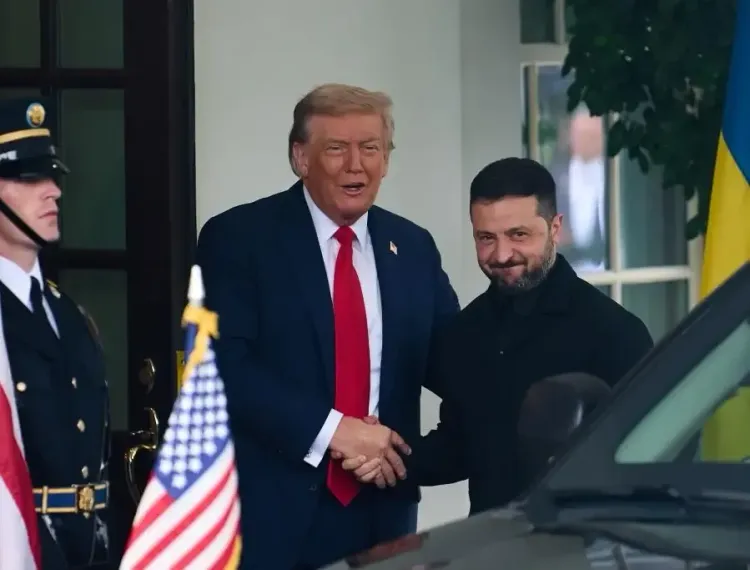
Synopsis
Trump's confirmation that he will invite Zelensky to the December G20 summit in Florida is more than a diplomatic courtesy — it signals Washington's intent to use the world's premier economic forum as a lever in the Russia-Ukraine peace process. With Rubio flagging India and Türkiye as contributors to Black Sea shipping proposals, the geopolitics of the war is visibly shifting toward multilateral engagement.
Key Takeaways
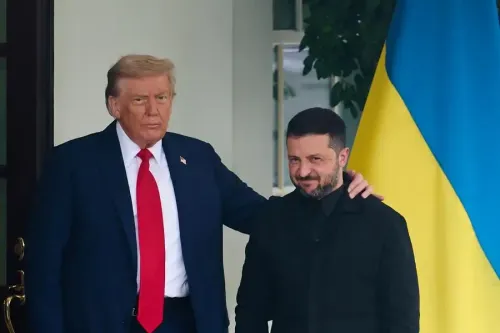
President Donald Trump confirmed on 1 November 2026 he would invite Volodymyr Zelensky to the G20 leaders' summit in Doral, Florida in December .
Secretary of State Marco Rubio had earlier declined to rule out Ukrainian participation, saying the decision was 'up to the President.' Rubio described Washington's top priority as a negotiated end to the Russia-Ukraine war and warned of risks of the conflict spreading into NATO airspace.
India and Türkiye were identified as countries contributing proposals to protect grain and energy shipments in the Black Sea .
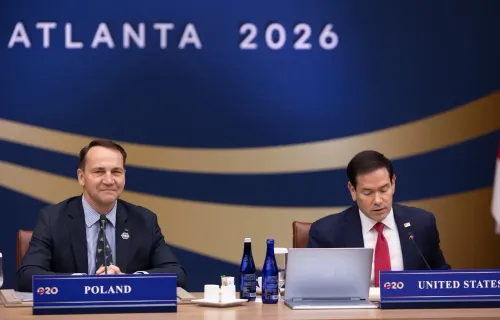
The G20 foreign ministers' meeting in Atlanta focused on energy, supply chains, critical minerals, and freedom of navigation.
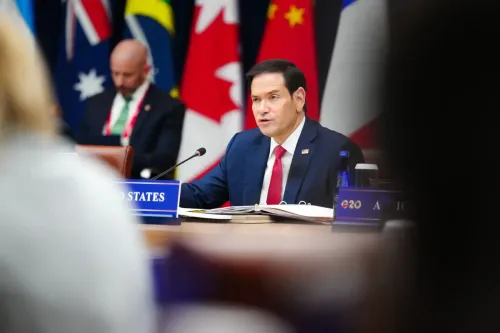
US President Donald Trump said on 1 November 2026 that he would invite Ukrainian President Volodymyr Zelensky to the G20 leaders' summit in Doral, Florida in December, hours after Secretary of State Marco Rubio declined to rule out Ukrainian participation at the G20 foreign ministers' meeting in Atlanta. The development marks a notable diplomatic signal as Washington intensifies efforts to broker a negotiated end to the Russia-Ukraine war.
How the Announcement Unfolded
The question of Zelensky's attendance arose during discussions in Atlanta, where foreign ministers were examining the war's consequences for energy supplies, shipping, and food security. Rubio, speaking at a press conference earlier on Saturday, made clear the decision rested solely with Trump.
'That would be up to the President to decide. I wouldn't rule it out,' Rubio said, referring to a possible invitation for Zelensky. 'But I don't have an announcement on that today.' Trump's subsequent statement provided a clearer indication of his intentions, though the specific arrangements and purpose of any Ukrainian participation remained unspecified.
Washington's Immediate Priorities on the War
Rubio described Washington's foremost objective as achieving a negotiated end to the conflict. He underscored that the United States remained engaged because it maintained communication with both sides and was being encouraged by other countries to sustain its diplomatic efforts.
He pointed explicitly to attacks on Ukraine's energy infrastructure, civilian casualties, and the long-term challenge of rebuilding the country's electricity network and economy. Rubio also cautioned about the risk of the conflict spreading, citing sabotage operations and drones entering NATO member states' airspace. 'There's a lot of danger involved in that as well,' he said.
Black Sea Shipping and the Roles of India and Türkiye
Alongside broader settlement efforts, Rubio said Washington was examining proposals to protect grain and energy shipments in the Black Sea. He identified Türkiye and India as countries actively contributing ideas, noting that Türkiye had consistently pursued the issue while India had expressed interest in putting forward proposals.
When asked whether the Atlanta talks had improved the chances of a limited ceasefire, Rubio declined to assign odds but offered a cautious assessment: 'I would say there's interest in facilitating it.' He added that any shipping agreement would address some of the war's international fallout without resolving the underlying conflict. 'We'd like to see it happen. It doesn't solve the war problem, but at least it diminishes some of the impact — spillover impact that it's having on the food security of vulnerable countries,' he said.
G20 Agenda and What Comes Next
The Atlanta foreign ministers' meeting was part of formal preparations for the G20 leaders' summit scheduled for Doral, Florida in December. Rubio indicated that the US presidency had focused the ministerial agenda on economic priorities — including energy, supply chains, critical minerals, and freedom of navigation.
Zelensky's potential presence at the December summit, if confirmed, would be a significant diplomatic moment — bringing the leader of a nation at war into a forum not traditionally structured for active conflict resolution. Whether his attendance is framed around peace negotiations or international solidarity could define the summit's political character.
Point of View
Also a G20 member, has not been mentioned as being consulted. Rubio's framing of India and Türkiye as Black Sea mediators is noteworthy: it suggests Washington is quietly building a coalition of non-Western interlocutors to give any eventual deal broader legitimacy. What is missing from the Atlanta readout is any concrete timeline or conditionality — making it difficult to assess whether the 'interest in facilitating' a ceasefire is diplomatic momentum or managed ambiguity.
NationPress
1 Nov 2026
Frequently Asked Questions
Why is Trump inviting Zelensky to the G20 summit?
President Trump confirmed he would invite Ukrainian President Zelensky to the December G20 leaders' summit in Doral, Florida, as part of Washington's broader push for a negotiated end to the Russia-Ukraine war. The move follows discussions at the G20 foreign ministers' meeting in Atlanta, where the war's impact on energy, food security, and shipping was on the agenda.
What did Secretary of State Marco Rubio say about Zelensky's G20 attendance?
Rubio said the decision rested with President Trump and declined to rule out an invitation. 'That would be up to the President to decide. I wouldn't rule it out,' he said at a press conference in Atlanta on Saturday, before Trump subsequently confirmed the invitation.
What role are India and Türkiye playing in the Ukraine peace effort?
Rubio identified both India and Türkiye as countries contributing proposals to protect grain and energy shipments in the Black Sea. He noted that Türkiye had consistently pursued the issue and India had expressed interest in putting forward ideas, framing both nations as potential facilitators of limited agreements.
Is a ceasefire in the Russia-Ukraine war imminent?
Rubio declined to assign odds on a ceasefire following the Atlanta talks, saying only that 'there's interest in facilitating it.' Any shipping agreement in the Black Sea would address some international consequences of the war without resolving the underlying conflict, he cautioned.
When and where is the G20 leaders' summit taking place?
The G20 leaders' summit is scheduled for December in Doral, Florida, under the US presidency. The Atlanta foreign ministers' meeting held on 1 November was part of the formal preparatory process for that summit.