US invites Putin to December G20 Summit, Trump meeting not ruled out
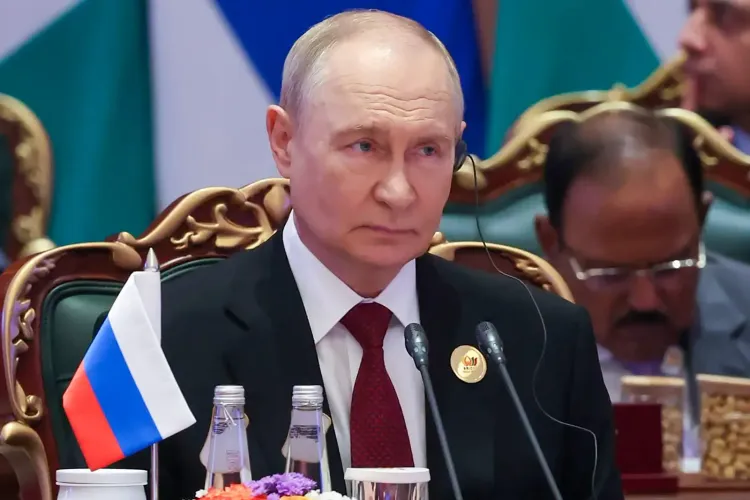
Synopsis
Washington has formally invited Putin to December's G20, with Secretary of State Rubio refusing to rule out a Trump–Putin sideline meeting while insisting no summit has been arranged. The move comes as the US simultaneously pushes for a limited ceasefire on grain and energy in Ukraine — a signal that American diplomacy on the war is quietly intensifying ahead of winter.
Key Takeaways
Secretary of State Marco Rubio confirmed the US has invited President Vladimir Putin to the December G20 summit .
Rubio said a Trump–Putin bilateral summit 'hasn't been discussed' but left open the possibility of a sideline meeting.
Trump and Putin have spoken by telephone at least a dozen times since Trump took office, according to Rubio.
Both sides have shown interest in a limited ceasefire covering grain and energy , though Rubio called agreement difficult.
Steve Witkoff and Jared Kushner held talks in Moscow on the limited ceasefire proposal.
Russia invaded Ukraine in February 2022 ; Rubio said the war would ultimately end with a negotiated agreement .
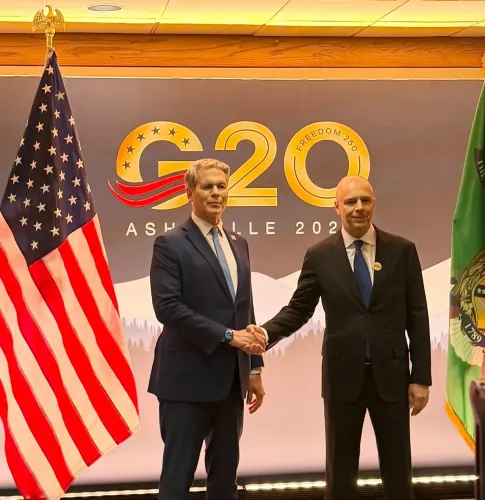
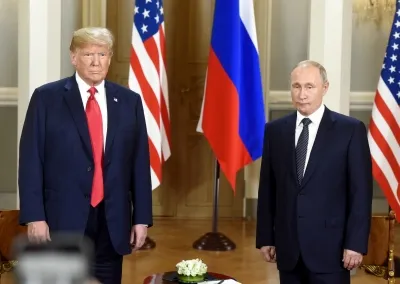
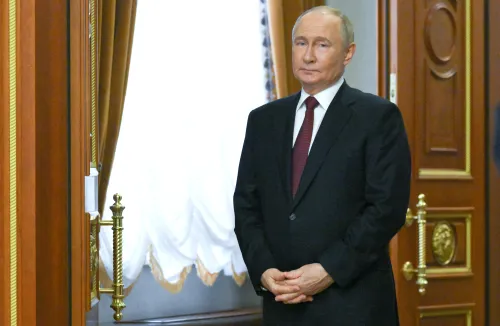
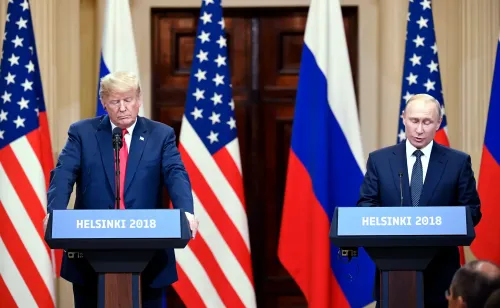
United States Secretary of State Marco Rubio confirmed on 24 September 2026 that Washington has formally invited Russian President Vladimir Putin to the G20 summit in December, raising the prospect of a face-to-face encounter with President Donald Trump — even as Rubio stressed that no bilateral summit between the two leaders has been formally discussed.
Rubio made the announcement on the sidelines of the United Nations General Assembly in New York, telling reporters that Washington hoped Putin would accept because the gathering would give him an opportunity to speak with Trump and other world leaders.
What Rubio Said
The Secretary of State stopped short of confirming that Putin had accepted the invitation or that a bilateral meeting was being arranged. When asked directly whether Washington wanted another Trump–Putin summit, Rubio replied: 'That hasn't been discussed.' He added, however, that if Putin attended and there was a purpose for a meeting, the two presidents could meet on the sidelines. 'That war is going to end, I think everyone acknowledges, with a negotiated agreement,' Rubio said, referring to the conflict in Ukraine.
Rubio noted that Trump was willing to meet leaders with whom he disagreed, but insisted that such talks required adequate preparation to produce a result. His preference, he said, would be a meeting with a defined outcome rather than one held simply because the leaders happened to be in the same place.
Trump–Putin Contact So Far
The two presidents have spoken by telephone on multiple occasions since Trump took office, according to Rubio, who estimated they had spoken at least a dozen times, though he acknowledged he did not have an exact count. The calls indicate an active back-channel even in the absence of a formal summit.
Ceasefire Talks and Ukraine War
Rubio's remarks came as US officials continued discussions on a possible limited ceasefire in the Russia–Ukraine conflict. He said both sides had expressed interest in a ceasefire covering grain and energy sectors, though he cautioned that reaching such an agreement would be difficult. Ukrainian President Volodymyr Zelensky had discussed the idea with US officials, and the proposal also featured in a meeting in Moscow involving Steve Witkoff and Jared Kushner. Washington said it would help broker an arrangement if it could play a constructive role.
A limited ceasefire, Rubio stressed, would not end the war but could relieve some of its broader effects and potentially serve as a starting point for a wider agreement.
Energy Strikes: A Key Obstacle
One significant hurdle is the targeting of energy infrastructure. Rubio said Ukraine was striking Russian oil and gas facilities that generate revenue for Moscow, while Russia was targeting Ukraine's electricity grid as winter approached. Both sides, he said, regard energy as integral to their war aims — making an energy-sector ceasefire politically sensitive for each.
G20 Context and What Comes Next
The G20 brings together major economies including the United States, Russia, India, and China. Its leaders' summits routinely provide opportunities for informal bilateral discussions alongside the formal programme. Russia launched its full-scale invasion of Ukraine in February 2022, and the conflict has disrupted global energy and food markets, lending particular significance to any deal limiting strikes on those sectors. Whether Putin accepts the invitation — and whether a Trump–Putin encounter materialises — is expected to become clearer in the weeks ahead.
Point of View
And potentially with Trump, before winter deepens the energy crisis and hardens positions on both sides. Rubio's careful framing — 'that hasn't been discussed' — is as much about managing domestic political optics as it is about Moscow. The real story is the parallel push for a grain-and-energy ceasefire, which, if achieved, would give the Trump administration a tangible foreign-policy win without requiring a formal peace deal. The obstacle is structural: both Russia and Ukraine treat energy infrastructure as a live military instrument, not a civilian asset to be protected. Any ceasefire that doesn't address that asymmetry risks collapsing before it begins.
NationPress
24 Sept 2026
Frequently Asked Questions
Has Putin accepted the US invitation to the December G20 summit?
As of 24 September, Putin has not confirmed attendance. Secretary of State Marco Rubio said Washington hoped Putin would accept but stopped short of saying the Russian president had agreed.
Could Trump and Putin meet at the G20?
Rubio did not rule it out, saying the two presidents could meet on the sidelines if Putin attended and there was a purpose for a meeting. However, he confirmed that a formal bilateral Trump–Putin summit 'hasn't been discussed.'
What is the proposed grain-and-energy ceasefire in Ukraine?
It is a limited ceasefire proposal under which both Russia and Ukraine would agree to halt strikes on grain and energy infrastructure. Both sides have expressed interest, according to Rubio, but he cautioned that reaching an agreement would be difficult given that both treat energy as part of their war aims.
How many times have Trump and Putin spoken since Trump took office?
Secretary of State Rubio estimated the two presidents have spoken by telephone at least a dozen times, though he said he did not have an exact count.
Why does the G20 matter for Russia–Ukraine diplomacy?
The G20 gathers major economies including the US, Russia, India, and China, and its summits provide opportunities for informal bilateral discussions alongside the formal agenda. An appearance by Putin would be his first engagement with a broad group of world leaders in this format since Russia's full-scale invasion of Ukraine in February 2022.