Trump open to Kim Jong Un talks, says Rubio at G20 Atlanta meet
Synopsis
Trump is open to a fourth meeting with Kim Jong Un — but there is no date, no venue, and no agenda. Rubio's carefully hedged remarks at the G20 in Atlanta signal intent without commitment, leaving the diplomatic ball squarely in Pyongyang's court.
Key Takeaways
Secretary of State Marco Rubio confirmed on 31 October that President Trump is open to meeting Kim Jong Un if talks could be productive.
Rubio stressed that no meeting has been scheduled and no venue or timetable has been set.
Trump does not view diplomatic contact as a concession, according to Rubio: 'The President doesn't view meeting with someone as a concession.' A US-Japan-South Korea Arctic memorandum of cooperation was signed on the sidelines of the G20 Atlanta meeting.
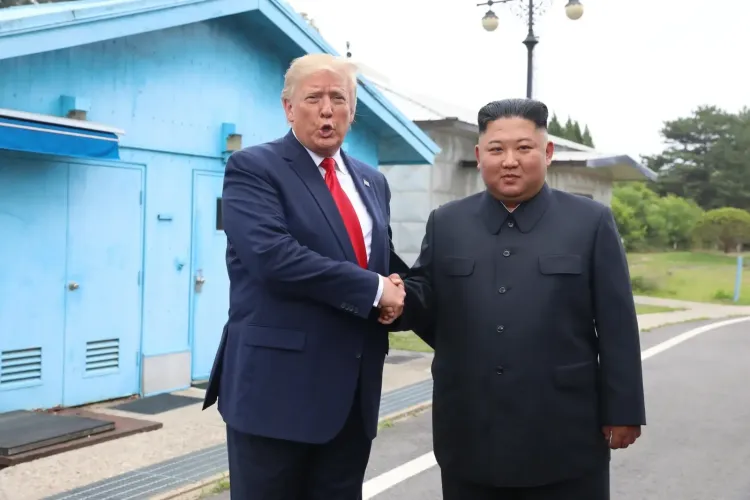
Trump and Kim have previously met in Singapore (June 2018) , Hanoi (February 2019) , and at the Korean DMZ (June 2019) .
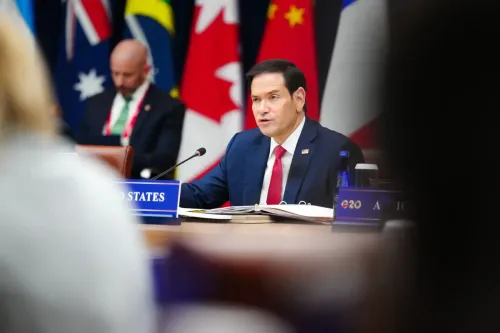
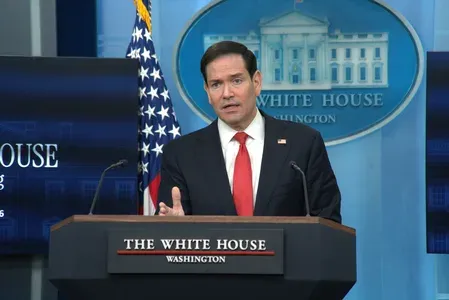
US Secretary of State Marco Rubio confirmed on 31 October that President Donald Trump remains open to meeting North Korean leader Kim Jong Un, provided such talks could yield meaningful results — but stressed that no meeting had been scheduled, scheduled venue identified, or timetable set. Rubio made the remarks at the close of the G20 foreign ministers' meeting in Atlanta.
What Rubio Actually Said
Speaking to reporters at the conclusion of the Atlanta gathering, Rubio characterised Trump's position as a willingness to engage rather than a confirmed diplomatic initiative. 'I think if something productive can come from such talks, he'd be open to doing it again, but we don't have any announcement on that. Nothing's been scheduled in that regard,' Rubio said.
When pressed on what concrete steps the administration was taking to bring North Korea back to negotiations, Rubio pointed only to Trump's existing public statements and offered no new agreement or framework. 'I don't have anything to announce in regard to that today,' he added.
Trump's Approach to Diplomatic Contact
Rubio was at pains to distinguish the Trump administration's posture from the view that granting a meeting with a foreign leader constitutes a diplomatic concession. 'The President doesn't view talks, doesn't view meeting with someone as a concession,' he said, echoing an argument he has also deployed when defending the administration's engagement with Russia over the Ukraine conflict.
Rubio said Trump would be willing to engage if North Korea showed readiness to address issues of concern to Washington and its allies, including South Korea. He did not, however, specify an agenda or lay out any preconditions for a meeting.
G20 Sideline Developments
Beyond the North Korea question, Rubio highlighted a trilateral meeting on the sidelines of the G20 gathering involving the United States, Japan, and South Korea. The three countries signed a memorandum of cooperation relating to the Arctic, aimed at supporting peaceful commerce and keeping the region free from coercion, according to Rubio.
Separately, Rubio said a visa dispute involving South Korean lawmakers would be addressed through bilateral channels rather than at the press conference. The Atlanta meeting itself, he noted, had concentrated on economic challenges including energy, supply chains, and maritime access.
Historical Context: Trump-Kim Summits
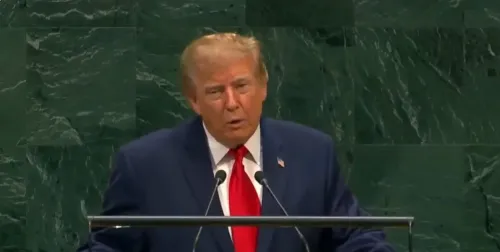
Trump and Kim have met on three prior occasions. Their first summit took place in Singapore in June 2018 — the first between a sitting US president and a North Korean leader. A second summit in Hanoi in February 2019 ended without agreement, and the two leaders met again at the Korean Demilitarised Zone (DMZ) in June 2019. No formal diplomatic talks between Washington and Pyongyang have since been confirmed.
Whether the current signals translate into a fourth meeting will depend on whether North Korea responds — something Rubio's remarks left conspicuously unanswered.
Point of View
And this latest signal carries no new conditions, no agenda, and no North Korean response. The administration's framing — that contact is not a concession — sidesteps the harder question of what Washington actually wants from Pyongyang and what it is prepared to offer. With South Korea watching closely and the Korean peninsula's security calculus complicated by North Korean troop deployments reportedly linked to the Ukraine war, a fourth summit without a structured framework risks repeating the Hanoi pattern: high optics, low outcome.
NationPress
1 Nov 2026
Frequently Asked Questions
Is a Trump-Kim meeting scheduled?
No. Secretary of State Marco Rubio explicitly stated on 31 October that no meeting has been scheduled, no venue identified, and no timetable set. Trump's openness to talks is a stated disposition, not a confirmed diplomatic initiative.
What did Marco Rubio say about Trump and North Korea at the G20?
Rubio said Trump would be open to meeting Kim Jong Un if such talks could produce useful results, and that the President does not view diplomatic contact as a concession. He made no announcement of preparations or preconditions.
How many times have Trump and Kim Jong Un met before?
Trump and Kim have met three times: in Singapore in June 2018, in Hanoi in February 2019, and at the Korean Demilitarised Zone in June 2019. The Hanoi summit ended without agreement.
What else was discussed at the G20 foreign ministers' meeting in Atlanta?
The Atlanta meeting focused on economic challenges including energy, supply chains, and maritime access. On the sidelines, the United States, Japan, and South Korea signed an Arctic memorandum of cooperation. A visa dispute involving South Korean lawmakers was also raised but deferred to bilateral channels.
Why does the Trump administration say diplomatic talks are not a concession?
Rubio argued that engaging with a foreign government does not amount to endorsing that government's actions or policies. He applied the same logic to contacts with Russia over the Ukraine conflict, framing direct communication as a practical necessity rather than a reward.