Bessent defends Russia's G20 invite, cites Ukraine peace dialogue
Synopsis
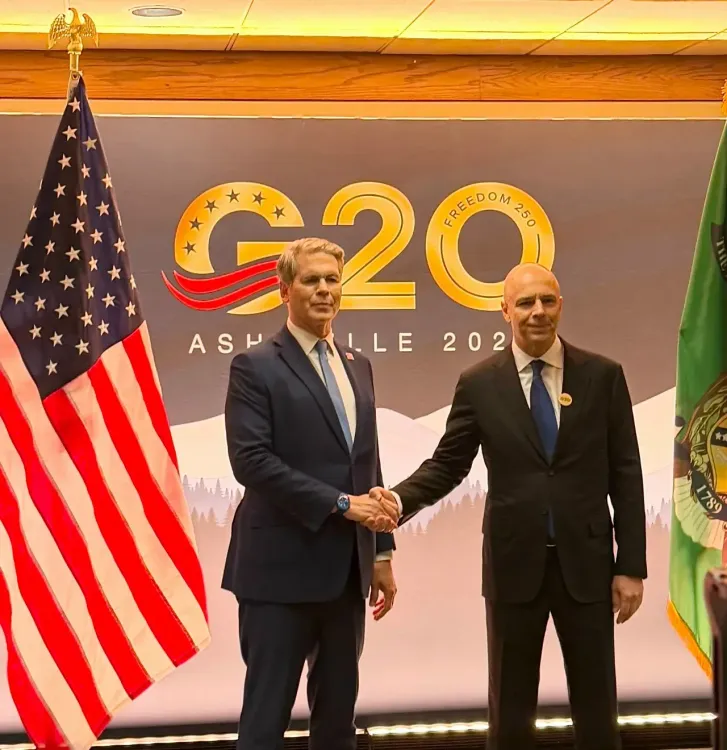
Washington chose engagement over exclusion at the Asheville G20 — inviting Russia’s finance minister despite European objections. With 19 of 20 nations signing the chair’s statement and sanctions policy left untouched, Bessent’s move signals that the Trump administration sees diplomatic access to Moscow as a precondition for any Ukraine settlement, not a reward for one.
Key Takeaways
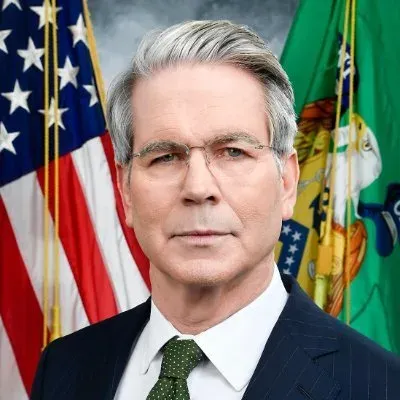
US Treasury Secretary Scott Bessent defended inviting Russian Finance Minister Anton Siluanov to the G20 meeting in Asheville on 2 September .
Bessent argued direct engagement with Moscow is necessary to resolve the Ukraine war , citing President Trump ’s preference for open communication with all governments.
19 out of 20 G20 members agreed to the chair’s statement; China was the only holdout.
Bessent confirmed that Siluanov is not under US sanctions and announced no change in US sanctions policy toward Russia.
Several European delegations reportedly expressed discomfort with Russia’s presence, though Bessent maintained exclusion would hinder a peace settlement.
The chair’s statement called for unimpeded energy, food, and critical mineral supply chains and safe navigation through the Strait of Hormuz .
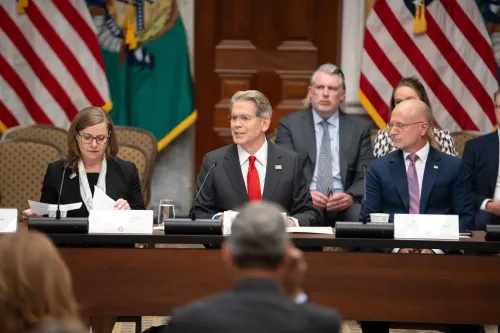
US Treasury Secretary Scott Bessent on 2 September defended the decision to invite Russian Finance Minister Anton Siluanov to the G20 finance ministers' meeting in Asheville, arguing that direct engagement with Moscow was indispensable to any eventual resolution of the war in Ukraine. Bessent acknowledged the move had unsettled some European partners but insisted it had not derailed the summit's economic agenda.
Bessent's Core Argument
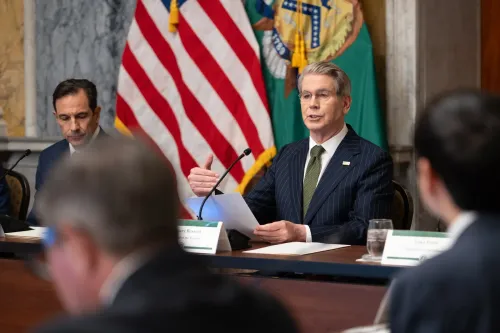
Speaking to reporters after the two-day meeting, Bessent framed the invitation as a diplomatic necessity rather than a political concession. “This horrible conflict between Russia and Ukraine — if the sides don’t talk, if we are not engaged, then how can it be solved?” he said.
He also linked the decision to President Donald Trump’s broader approach to foreign policy. “As President Trump says, he likes to get along with everyone,” Bessent told reporters. The Treasury Secretary stressed that Siluanov was not subject to US sanctions, adding: “The finance minister who I met with is unsanctioned.”
European Unease and Bessent's Response
Several European delegations reportedly expressed discomfort with Russia’s presence at the table. Bessent acknowledged their concerns but argued that exclusion would entrench, not end, the conflict. “I know that some Europeans had a sour taste, but I think it’s very important to engage,” he said. “Otherwise, if both fighters go in a corner, then there will never be a resolution to this horrible conflict.”
Notably, this tension is not new. Russia has remained a G20 member throughout the Ukraine war, and its participation has repeatedly exposed fault lines within the group between Western governments and economies that have maintained ties with Moscow.
Meeting Outcomes and the Chair's Statement
Despite the diplomatic friction, Bessent pointed to broad agreement on the summit’s substantive agenda as evidence that Russia’s attendance had not blocked progress. He noted that 19 out of 20 countries agreed to the chair’s statement. “I would point out that we had 19 out of 20 countries agree, so that there has been no impact,” he said. China was the sole G20 member that did not endorse the full document.
The chair’s statement described the global economy as resilient despite multiple shocks, including ongoing wars, and called the resolution of those conflicts essential to sustaining durable growth. It also underscored the importance of keeping energy, food, fertiliser, and critical mineral supply chains operating without disruption, and flagged the need for free and safe navigation through the Strait of Hormuz and other international waterways.
Sanctions Policy Unchanged
Bessent made no announcement of any shift in US sanctions policy toward Russia. His remarks were confined to the case for keeping diplomatic channels open, and he did not indicate that Siluanov’s attendance had produced any bilateral breakthrough. The G20—unlike the Group of Seven (G7)—includes Russia, China, India, and several nations that have taken divergent positions on the Ukraine conflict, making geopolitical consensus structurally difficult within the forum.
How European governments respond to Washington’s continued engagement with Moscow—and whether the Trump administration moves toward a more formal diplomatic track with Russia—will be closely watched in the weeks ahead.
Point of View
Not isolated. The problem is that engagement without leverage is just presence. Siluanov attended, 19 nations signed a statement, and US sanctions remained exactly where they were. European allies who see Russia’s G20 participation as a legitimacy gift will note that Washington secured no visible concession in return. The deeper question — whether this open-door approach accelerates a Ukraine settlement or simply normalises Russia’s standing in multilateral forums — remains unanswered.
NationPress
17 Oct 2026
Frequently Asked Questions
Why did the US invite Russia's finance minister to the G20 in Asheville?
US Treasury Secretary Scott Bessent said the invitation was driven by the belief that direct engagement with Moscow is necessary to resolve the war in Ukraine. He also linked the decision to President Trump’s broader preference for maintaining communication with all governments, including adversaries.
Who is Anton Siluanov and is he under US sanctions?
Anton Siluanov is Russia’s Finance Minister. Bessent explicitly confirmed that Siluanov is not subject to US sanctions, a point he stressed to address concerns about the propriety of the meeting.
Did Russia’s presence disrupt the G20 meeting’s outcomes?
According to Bessent, it did not. He noted that 19 of the 20 G20 members agreed to the chair’s statement, with China being the only country that did not endorse the full document. The meeting covered economic growth, energy trade, sovereign debt, and global imbalances.
How did European countries react to Russia’s G20 invitation?
Several European delegations reportedly expressed unease with Russia’s presence. Bessent acknowledged that ‘some Europeans had a sour taste’ but argued that excluding Russia would make an eventual peace settlement harder to achieve.
Did the US change its sanctions policy on Russia after the Asheville G20?
No. Bessent made no announcement of any change in US sanctions policy toward Russia. His remarks focused solely on the importance of keeping diplomatic channels open while efforts to end the Ukraine conflict continue.