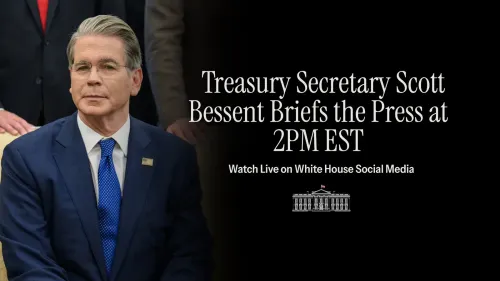
Bessent at G20: Japan should end Abenomics reflation, embrace next phase
Synopsis
US Treasury Secretary Scott Bessent used the G20 finance ministers' meeting in Asheville to declare Abenomics a success — and to tell Japan it's time to stop. Coining the phrase 'Takaichi Nomics' for the next phase, Bessent's remarks put fresh pressure on Tokyo to normalise policy even as the Bank of Japan treads carefully on rate hikes.
Key Takeaways
US Treasury Secretary Scott Bessent said Abenomics has successfully lifted Japan out of disinflation, speaking after the G20 finance ministers' meeting in Asheville on 2 September .
Bessent urged Japan to 'stop the reflation' and allow the results of past reforms to take hold now that inflation is near the Bank of Japan's 2% target.
He described the next phase of Japan's economic policy as 'Takaichi Nomics' but did not specify the fiscal or monetary measures it should include.
Bessent credited Abenomics — launched after Shinzo Abe returned as prime minister in 2012 — with restructuring Japan's corporate sector and reducing regulatory burdens.
The G20 communiqué reaffirmed central bank independence and called on governments to safeguard fiscal sustainability and rebuild financial buffers.
US Treasury Secretary Scott Bessent said on 2 September that Japan should move beyond the reflationary economic framework associated with former prime minister Shinzo Abe and focus instead on managing the consequences of its success, speaking to reporters after the G20 finance ministers' meeting in Asheville. Bessent's remarks signal a shift in how Washington views Tokyo's long-running stimulus experiment — from a necessary emergency measure to a completed mission.
Abenomics Declared a Success
Bessent offered an unambiguous endorsement of Abenomics, the policy programme launched after Abe returned as Japan's prime minister in 2012, combining aggressive monetary easing, flexible fiscal spending, and structural reforms to pull the economy out of deflation. 'I think that Abenomics, which was designed to bring Japan out of disinflation as a reflationary programme, has worked,' he said.
He also credited the programme with reshaping Japan's corporate landscape. 'One of the great parts of Abenomics is the economy has been restructured in terms of the corporate sector bringing down regulation,' Bessent said, adding that 'many, many of the things that we've talked about here for the past few days, Japan has already done.'
The Case for Stopping Reflation
Bessent argued that with inflation approaching the Bank of Japan's longstanding 2% target, the original purpose of the reflationary push has been achieved. 'If inflation is 2%, they've succeeded in reflating, and now they have to think about the consequences of their success,' he said. He urged Japanese policymakers to allow the results of past reforms to consolidate rather than continuing to stimulate price growth. 'We've talked to the Japanese, and I've said they had a tremendous success in Abenomics. Now, they should actually let that run and stop the reflation,' he added.
Bessent's comments came in direct response to questions about Japan's long-term interest rates, inflation trajectory, and fiscal position. He acknowledged that portions of his bilateral discussions with Japanese officials remained confidential.
Enter 'Takaichi Nomics'
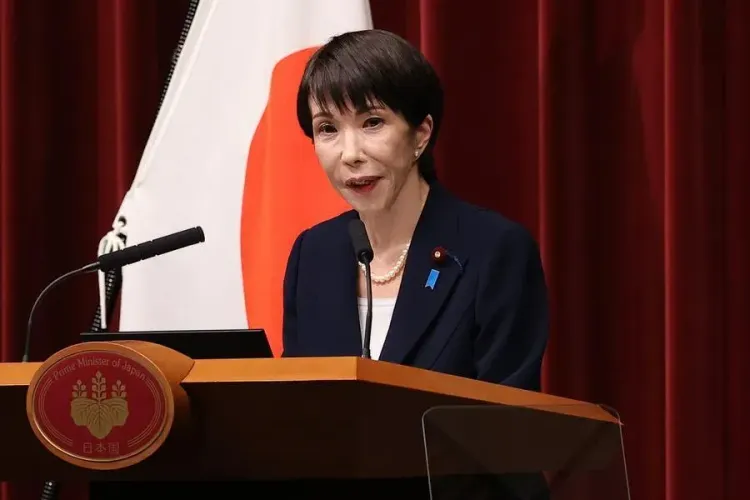
The Treasury secretary sketched the outlines of what he called the next phase of Japan's economic policy, dubbing it 'Takaichi Nomics' — though he did not specify the concrete fiscal or monetary steps it should involve. 'I think it's now time, as I said, for Takaichi Nomics, and I think that Japan can sit back and enjoy the benefits of a successful 11, 12, 13-year run,' he said. He framed Japan's trajectory as a remarkable turnaround, noting: 'In 2011, Japan was written off as dead, and now I think it's one of the most vibrant economies in the world.'
G20 Communiqué and Broader Context
The G20 chair's statement issued after the Asheville meeting affirmed the importance of central bank independence, with monetary authorities described as 'strongly committed' to maintaining price stability and financial-system resilience. The statement also called on governments to safeguard fiscal sustainability, rebuild financial buffers, and encourage productivity-enhancing investment, noting that a stable macroeconomic environment was essential for growth and employment.
Notably, Bessent stopped short of publicly prescribing specific interest rate actions for the Bank of Japan or detailing recommendations on fiscal consolidation — a restraint consistent with the G20 communiqué's emphasis on central bank independence. Japan's return to sustained inflation has already forced policymakers in Tokyo to weigh how quickly monetary policy should normalise without derailing growth — a delicate calibration that Bessent's remarks will add pressure to, even if indirectly.
With the G20 spotlight now on Japan's next policy chapter, the question is no longer whether Abenomics worked, but whether Tokyo has the political will to manage its aftermath.
Point of View
Particularly on the yen and trade competitiveness. But the framing glosses over real risks: Japan's return to inflation is still fragile, and the Bank of Japan's rate hikes have already rattled global carry trades. The vague coinage 'Takaichi Nomics' offers a headline without a roadmap, which is precisely the kind of ambiguity that markets dislike. The deeper question mainstream coverage is missing is whether Japan's fiscal position — carrying one of the world's highest public debt-to-GDP ratios — can absorb a genuine tightening cycle without triggering a bond market stress event.
NationPress
17 Oct 2026
Frequently Asked Questions
What did US Treasury Secretary Scott Bessent say about Japan's economy at the G20?
Bessent said that Abenomics has successfully ended Japan's prolonged disinflation and urged Tokyo to stop its reflationary push, arguing the programme has achieved its central purpose. He made these remarks to reporters after the G20 finance ministers' meeting in Asheville on 2 September.
What is Abenomics and why does Bessent say it has worked?
Abenomics is the economic policy framework introduced by former Japanese prime minister Shinzo Abe after he returned to office in 2012, combining aggressive monetary easing, flexible fiscal policy, and structural reforms to end deflation. Bessent says it has worked because Japan has returned to sustained inflation near the Bank of Japan's 2% target and its corporate sector has been restructured.
What is 'Takaichi Nomics' that Bessent referred to?
Bessent used the term 'Takaichi Nomics' to describe what he sees as the next phase of Japan's economic policy, suggesting Tokyo should now manage the benefits of Abenomics rather than continuing to stimulate inflation. He did not outline specific fiscal or monetary measures the phase should include.
What did the G20 communiqué say about central bank independence and fiscal policy?
The G20 chair's statement affirmed the importance of central bank independence and said monetary authorities remained strongly committed to price stability and financial-system resilience. It also called on governments to safeguard fiscal sustainability, rebuild financial buffers, and support productivity-enhancing investment.
What are the risks if Japan moves to stop its reflationary policies?
Japan's return to sustained inflation remains relatively recent, and the Bank of Japan has been cautious about normalising interest rates to avoid undermining economic growth. Analysts note that Japan carries one of the world's highest public debt burdens, making a rapid policy shift potentially disruptive to bond markets and global carry trades.