US Treasury's Bessent urges IMF crackdown on distortionary policies, calls World Bank exit from China lending 'milestone'
Synopsis
US Treasury Secretary Scott Bessent has put the IMF and World Bank on notice at their Bangkok annual meetings — demanding tougher scrutiny of non-market exchange rate policies, calling the World Bank's planned exit from China lending an overdue milestone, and pushing to retire the Bank's ban on upstream oil and gas financing. The statement is Washington's clearest multilateral salvo yet in its economic confrontation with distortion-driven growth models.
Key Takeaways
US Treasury Secretary Scott Bessent urged the IMF to strengthen scrutiny of 'non-market policies and practices and exchange rates' driving global imbalances.
Bessent warned the IMF 'must exercise its voice on this critical issue or risk being sidelined.' The planned phase-out of World Bank lending to China and Poland was called 'an important milestone' — though described as 'long overdue.' The US is pursuing congressional approval for the 16th General Review of Quotas , with Bessent calling for a new quota formula based on members' real economic weight.
Bessent called on the World Bank Group to lift its ban on financing upstream gas and oil projects.
Remarks were delivered in a written statement at the IMF-World Bank Annual Meetings in Bangkok on 15 October 2026 .
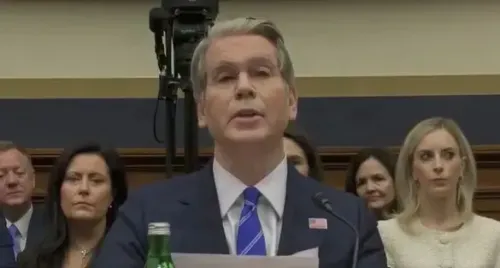
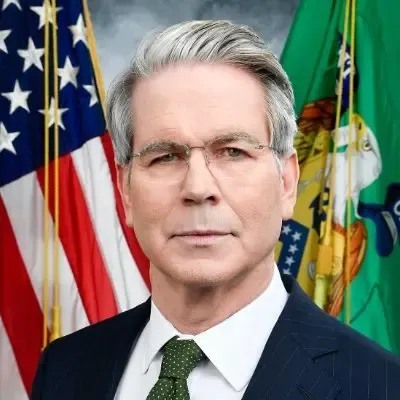
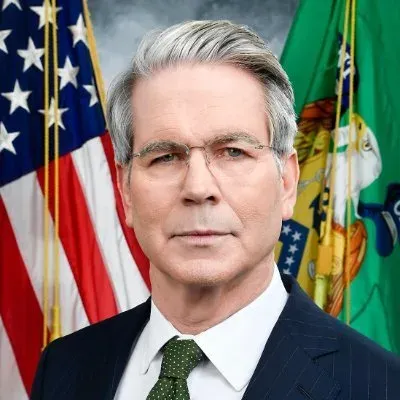
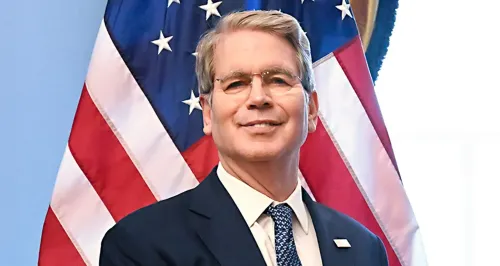
US Treasury Secretary Scott Bessent on Wednesday called on the International Monetary Fund (IMF) to intensify scrutiny of 'non-market policies and practices and exchange rates,' warning that the Fund risks being 'sidelined' if it fails to act on distortionary economic practices. Bessent also described the planned phase-out of World Bank lending to China and Poland as 'an important milestone,' delivering the remarks in a written statement to both the World Bank Development Committee and the IMF's International Monetary and Financial Committee at the IMF-World Bank Annual Meetings in Bangkok.
What Bessent Said on IMF's Role
The written statement zeroed in on what Bessent described as a critical gap in IMF oversight. 'One area where this refocus must go further is in the IMF's work on global imbalances,' the statement read, specifically highlighting the need to strengthen 'analysis and engagement on the role non-market policies and practices and exchange rates play in driving external imbalances.'
Without naming any specific country in that passage, Bessent noted that policymakers were engaged in 'difficult discussions about how to sustain market-based systems amid distortionary policies from some economies that skew competition and hurt employment.' He warned that the IMF — founded, in his framing, precisely to prevent such distortions — 'must exercise its voice on this critical issue or risk being sidelined.'
World Bank Lending to China and Graduation Criteria
On the World Bank, Bessent urged the lender to phase out sovereign lending to countries that have 'long met its graduation criteria.' He singled out the planned phase-outs for China and Poland as overdue but welcome, calling them 'an important milestone for both countries.'
Critically, Bessent flagged a structural concern: the Bank was entering 'the longest period in its history without a country graduating from lending eligibility,' and he called on management to 'take concrete steps to ensure that graduations resume.' The statement signals sustained US pressure on multilateral lenders to recalibrate who qualifies for concessional financing.
IMF Resources, Quota Reform and Energy Financing
Bessent affirmed that the United States 'remains committed to a strong, quota-based, and adequately resourced IMF,' and said Washington was working to secure congressional approval for the 16th General Review of Quotas. He added that 'any future quota realignment should reflect members' relative position in the world economy and be based on a new quota formula' — language that analysts note could reshape voting power within the Fund.
The statement also took aim at two specific IMF and World Bank financing mechanisms. Bessent called on the World Bank Group to 'formally retire its prohibition on financing upstream gas and oil,' a position that puts Washington at odds with climate-aligned lending policies pursued in recent years. He also criticised IMF financing through the Resilience and Sustainability Trust, arguing it 'veers into development-policy lending' beyond the Fund's core mandate.
Context: IMF-World Bank Annual Meetings in Bangkok
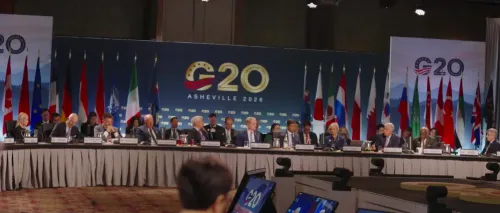
The remarks were delivered at the IMF-World Bank Annual Meetings being held in Bangkok this week — the first time the joint meetings have taken place in Southeast Asia in years. The International Monetary and Financial Committee advises the IMF's Board of Governors, while the Development Committee advises the boards of both institutions on development policy. This comes amid broader US-China economic tensions and ongoing global debate over the governance structure and lending priorities of multilateral institutions.
Notably, the statements did not name China in the context of 'distortionary policies,' but the framing — targeting non-market exchange rate practices and competitive distortions — echoes longstanding US complaints against Beijing's economic model. How the IMF's membership responds to Washington's push for structural reform of quota formulas and graduation criteria will be among the key tests of US multilateral leverage heading into 2027.
Point of View
Using the neutral language of 'non-market practices' and 'distortionary policies' that the US has long deployed in trade disputes. The push to end World Bank lending to China is symbolically potent but operationally modest, since Beijing long ago outgrew concessional borrowing needs. The more consequential pressure is on quota reform: if Washington succeeds in anchoring a new formula to current economic weight, emerging-market blocs that have sought greater IMF voting power could find their leverage diluted. The call to lift the World Bank's upstream oil and gas financing ban is also a direct reversal of the multilateral climate-finance consensus — and one that smaller energy-dependent economies may quietly welcome, even if they cannot say so publicly.
NationPress
15 Oct 2026
Frequently Asked Questions
What did US Treasury Secretary Scott Bessent say about the IMF at the Bangkok meetings?
Bessent called on the IMF to strengthen its analysis of non-market policies, exchange rate practices, and their role in driving global economic imbalances, warning the Fund risks being 'sidelined' if it does not act. The remarks were delivered as a written statement to the IMF's International Monetary and Financial Committee at the IMF-World Bank Annual Meetings in Bangkok on 15 October 2026.
Why is the World Bank phasing out lending to China and Poland?
The World Bank is phasing out lending to China and Poland because both countries have reportedly long met the institution's graduation criteria — meaning they are considered sufficiently developed to no longer require concessional sovereign loans. Bessent called the planned phase-outs 'long overdue' but welcomed them as 'an important milestone.'
What is the IMF quota reform that the US is pushing for?
The US is seeking congressional approval for the 16th General Review of Quotas and is calling for a new quota formula that reflects each member's current relative position in the global economy. IMF quotas determine a country's financial contribution, voting power, and access to Fund financing — meaning a formula change could significantly shift governance within the institution.
What is Bessent's position on World Bank oil and gas financing?
Bessent called on the World Bank Group to 'formally retire its prohibition on financing upstream gas and oil,' a stance that runs counter to the multilateral climate-aligned lending framework that the Bank has pursued in recent years. The US position aligns with energy-security arguments that have gained traction since the 2022 global energy crisis.
Where are the IMF-World Bank Annual Meetings being held in 2026?
The IMF-World Bank Annual Meetings are being held in Bangkok, Thailand this week — among the first times the joint annual gatherings have taken place in Southeast Asia. The meetings bring together finance ministers and central bank governors from member countries alongside the leadership of both institutions.