Calcutta HC allows Mamata's Sreerampore meet on Sep 26, caps crowd at 1,000
Synopsis
The Calcutta High Court has cleared Mamata Banerjee's public meeting at Sreerampore Court Maidan on 26 September — but only for 1,000 people, not the 2,000 TMC wanted, and with a strict 4–6 pm window. The ruling ends weeks of legal back-and-forth involving a rejected venue, a temple trust challenge, and a state government citing stampede risk around Z-plus security.
Key Takeaways
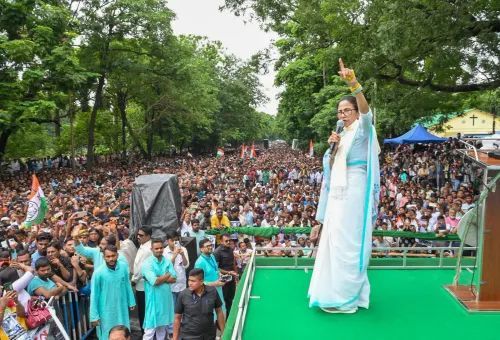
The Calcutta High Court on 17 September 2026 permitted Mamata Banerjee to hold a public meeting at Sreerampore Court Maidan , Hooghly , on 26 September .
Attendance is capped at 1,000 — half the 2,000 originally requested by the TMC faction.
The meeting must be held between 4 pm and 6 pm ; no rally or procession is permitted afterwards.
Organisers are barred from disrupting traffic on the nearby Grand Trunk Road .
The state government had cited Z-plus security buffer requirements and stampede risk as grounds for opposing a larger gathering.
An earlier venue — Snanpiri Maidan, Mahesh — was challenged by the Jagannath temple trust, forcing a fresh hearing that led to the current order.
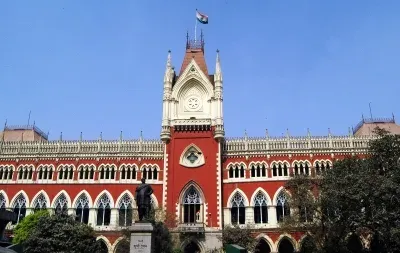
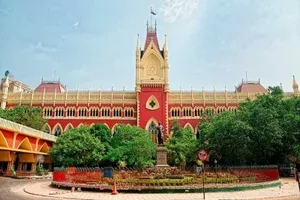
The Calcutta High Court on Thursday, 17 September 2026, granted conditional permission to Mamata Banerjee to hold a public meeting at Sreerampore Court Maidan in Hooghly district on 26 September, capping attendance at 1,000 people and restricting the event to a two-hour window between 4 pm and 6 pm. The order was issued by a single-judge bench of Justice Saugata Bhattacharya, bringing to a close a prolonged legal dispute over venue and crowd limits.
Key Conditions Imposed by the Court
Justice Bhattacharya's order comes with firm restrictions beyond the headcount cap. No rally or procession will be permitted after the meeting concludes, and organisers have been explicitly barred from any activity that could disrupt traffic on the adjacent Grand Trunk Road — one of the busiest arterial routes in the region. The bench made clear that compliance with these conditions is non-negotiable.
Why the State Government Objected
The West Bengal state government had opposed the original request by the Mamata Banerjee-led faction of the All India Trinamool Congress (TMC), which had sought to hold the event with up to 2,000 party activists. State counsel argued that the Sreerampore Court Maidan is a confined space, and given that Mamata Banerjee is entitled to Z-plus category security, a substantial buffer zone must be maintained in front of the dais. With that area cordoned off, allowing 2,000 people in the remaining space raised a credible risk of a stampede, the government contended.
TMC's Counter-Argument and the Court's Verdict
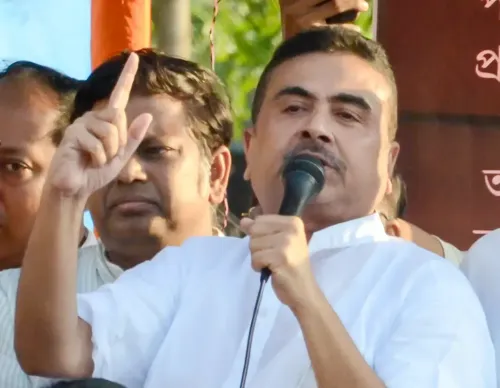
TMC counsel and Member of Parliament Kalyan Banerjee disputed the state's safety rationale, pointing out that as many as 50,000 people had recently gathered at the same venue for a programme featuring acclaimed singer Shreya Ghosal. After hearing both sides, Justice Bhattacharya settled on 1,000 as the maximum permissible figure — a compromise between the state's stricter stance and the party's demand — without elaborating further on the capacity calculus.
A Prolonged Legal Journey
This is the second time the bench has intervened in this matter. The Mamata Banerjee-led faction had originally sought to hold a public meeting followed by a rally at Sreerampore on 11 September, but complications over police permission pushed the dispute into court. The same bench had initially permitted an alternative venue — Snanpiri Maidan at Mahesh in Sreerampore — only for the board of trustees of the adjacent Jagannath temple to challenge that order, arguing the maidan was private property with a standing bar on political events. A division bench then referred the matter back to Justice Bhattacharya's court, which on Thursday finally settled on Sreerampore Court Maidan as the venue with the stated conditions.
Broader Context
The episode reflects heightened tensions around political mobilisation in West Bengal, where questions about police permissions and venue access have frequently become flashpoints between the ruling dispensation and various political factions. Notably, the legal wrangling here involved not a rival party but an internal dispute over permissions for a faction of the TMC itself, underlining the complex political dynamics in the state. The 26 September meeting will be closely watched as a gauge of Mamata Banerjee's continued public reach in the Hooghly constituency.
Point of View
000 — is less a legal landmark than a symptom of how routine political permissions in West Bengal have become litigation fodder. The fact that a state government led by the same party its former chief minister once headed is in court opposing her event speaks volumes about fractured intra-party dynamics. The Z-plus security argument, while procedurally valid, sits awkwardly alongside the TMC's own counter-evidence of 50,000 at the same venue. Courts should not ordinarily be the venue for resolving crowd-size disputes; the normalisation of that pattern in West Bengal is itself the story.
NationPress
17 Sept 2026
Frequently Asked Questions
What did the Calcutta High Court order regarding Mamata Banerjee's Sreerampore meeting?
The Calcutta High Court allowed Mamata Banerjee to hold a public meeting at Sreerampore Court Maidan in Hooghly district on 26 September, with attendance capped at 1,000 people and the event restricted to the 4 pm–6 pm window. No rally or procession is permitted after the meeting.
Why did the West Bengal government object to the original request?
The state government argued that Sreerampore Court Maidan is a confined space and that Mamata Banerjee's Z-plus security cover requires a buffer zone in front of the dais, leaving insufficient room for 2,000 people without a risk of trampling.
What was TMC's argument in favour of a larger gathering?
TMC counsel and MP Kalyan Banerjee pointed out that 50,000 people had recently assembled at the same venue for a programme by singer Shreya Ghosal, challenging the state's safety rationale for restricting attendance to fewer than 2,000.
Why did the earlier venue — Snanpiri Maidan — fall through?
After the court initially permitted the meeting at Snanpiri Maidan in Mahesh, the board of trustees of the adjacent Jagannath temple challenged the order, stating the maidan was private property with a standing prohibition on political events. A division bench then referred the matter back to Justice Bhattacharya's court.
Who issued the final order and what are the key restrictions?
Justice Saugata Bhattacharya of the Calcutta High Court issued the order on 17 September 2026. The restrictions include a maximum of 1,000 attendees, a 4–6 pm time window, a ban on any post-meeting rally or procession, and a prohibition on disrupting traffic on the Grand Trunk Road.