Voter Engagement Soars in Assam, Kerala, and Puducherry Elections 2026

Synopsis
Voter turnout in the recent Assembly elections across Assam, Kerala, and Puducherry has significantly exceeded previous years, showcasing strong participation and engagement in the democratic process. Noteworthy moments included the presence of a welcoming robot at a polling station in Puducherry.
Key Takeaways
Puducherry : Highest turnout at 89.08% Assam : Turnout of 85.04% Kerala : Turnout at 77.38% Effective security measures ensured peaceful voting Voter engagement exceeded previous election rates
Thiruvananthapuram, Guwahati, and Puducherry witnessed significant voter engagement on April 9 as the Assembly elections unfolded in these regions. The polling took place amidst a substantial presence of security personnel, with only a few minor law-and-order issues reported. Puducherry led the turnout with an impressive 89.08%, followed closely by Assam at 85.04% and Kerala at 77.38%, according to updates released around 7 p.m. The final figures will be confirmed by the Election Commission. Additionally, by-elections were conducted in Karnataka's Bagalkot and Davanagere South, Nagaland's Koridang, and Tripura's Dharmanagar.
This turnout has already exceeded the participation rates from the 2021 elections, where Puducherry had 83.42%, Assam 82.42%, and Kerala approximately 76%. Notably, the turnout in 2021 was slightly lower than in 2016.
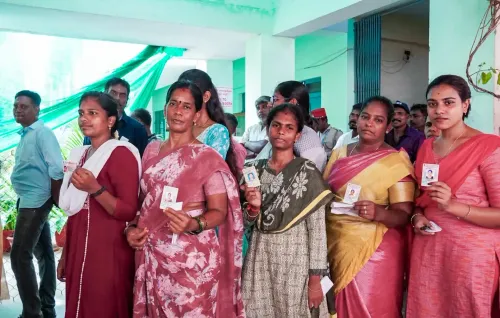
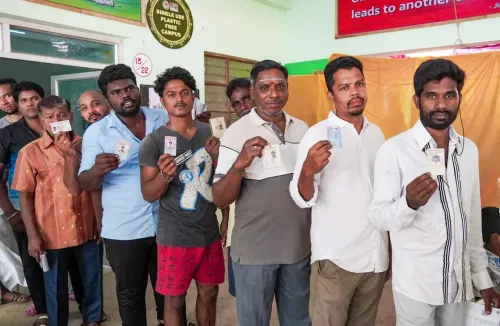
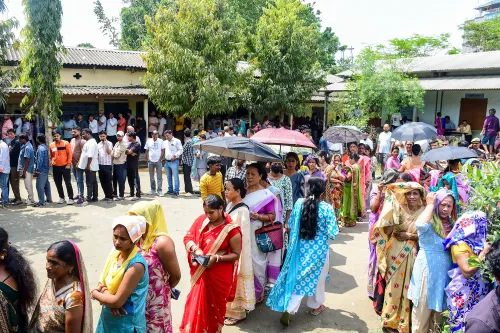
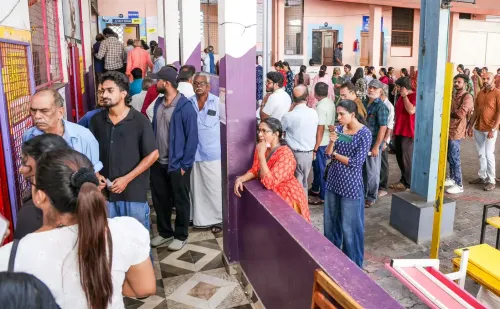
Throughout the day, voter participation steadily increased after a moderate start in the morning. Long lines were evident at numerous polling stations, with specially-abled individuals also exercising their right to vote.
A couple, who had just gotten married, was spotted casting their votes at the HMT School polling station in Ernakulam, Kerala. In an unusual sight, a robot welcomed voters at the VOC Government School Higher Secondary School in Puducherry's Raj Bhavan constituency, presenting a tray of petals and encouraging citizens to participate in the electoral process.
Thursday's elections encompassed 140 seats in Kerala, 126 seats in Assam, and 30 seats in Puducherry. Upcoming elections are scheduled for Tamil Nadu on April 23 and West Bengal on April 23 and 29, with vote counting set for May 4.
In preparation for the elections, authorities ensured extensive security arrangements, including paramilitary forces and local police reinforcements, to maintain order at polling booths, whether urban or rural.
The focus remained on preventing booth capturing, intimidation, and illegal campaigning around polling sites. Only a handful of minor disturbances were reported throughout the day.
Most communications indicated routine seizures of illegal materials, reports of EVM malfunctions, and some queue disruptions, all met with swift police action; no major law and order issues were noted by evening. Election officials underscored the importance of adhering to the model code of conduct while special teams monitored sensitive areas in Assam and urban regions in Kerala.
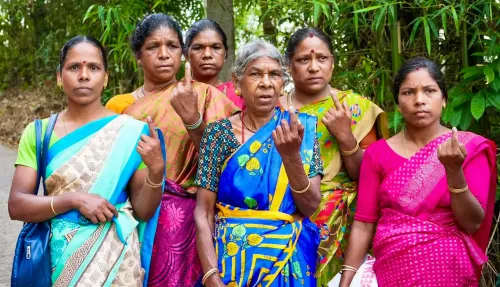
Assam experienced a notable turnout among rural and tribal voters, with many first-time voters showing enthusiasm. This polling event followed a mandated silent period, during which the campaigning was characterized by flags, banners, and rallies, focusing on local issues such as migration, land rights, and development.
Kerala's polling was marked by disciplined participation, with the day remaining peaceful and orderly, while Puducherry achieved the highest reported turnout due to strong mobilization in both urban and rural locales.
Polling hours extended from 7 a.m. to 5 p.m., allowing anyone in line before closing to cast their vote.
High-stakes narratives—such as regional identity in Assam, development versus anti-incumbency in Kerala, and local matters in Puducherry—along with effective voter outreach and strong organizational efforts from political parties contributed to increased turnout. Favorable weather and weekend scheduling also played a role in boosting participation in several areas.
While the National Democratic Alliance in both Assam and Puducherry aims to secure another term, the contest in Kerala sees the incumbent Left Democratic Front, led by the Communist Party of India-Marxist, facing a challenge from the Congress-led United Democratic Front alliance.
Point of View
Kerala, and Puducherry reveals a remarkable voter turnout, surpassing previous years. The elections showcased effective security measures, minimal disturbances, and a significant engagement from first-time voters, highlighting the importance of civic participation in the democratic process.
NationPress
14 Oct 2026
Frequently Asked Questions
What was the voter turnout in Puducherry?
The voter turnout in Puducherry was recorded at 89.08%.
How did the turnout in this election compare to 2021?
The turnout in this election surpassed that of 2021 when Puducherry recorded 83.42%, Assam 82.42%, and Kerala around 76%.
What security measures were in place during polling?
Extensive security deployments included paramilitary units and local police reinforcements to ensure orderly voting.
What unusual sight was reported during the elections?
A welcoming robot was seen greeting voters at a polling station in Puducherry.
When will the counting of votes take place?
The counting of votes is scheduled for May 4.