Himachal surplus water policy: ₹100 rate for sale to states

Synopsis
Himachal Pradesh will now charge other states for its surplus raw water, starting at ₹100 per 1,000 cubic feet and linked to inflation. The move puts a price on its Kishau dam share of about 42 million cubic metres and on Yamuna allocations, ahead of key inter-state dam projects.
Key Takeaways
Himachal Pradesh has approved a uniform policy for pricing and selling surplus raw water, announced on 26 November 2026 .
The initial benchmark rate is ₹100 per 1,000 cubic feet , to be revised periodically based on the wholesale price index .
Water used for domestic purposes within the state is excluded from the framework.
Himachal's share in the Kishau Multipurpose Project is 3.154 per cent of live storage, about 42 million cubic metres .
The policy covers inter-state projects including Kishau and Renuka dams under the Upper Yamuna Basin pact.
Chief Minister Sukhvinder Sukhu said the state must get appropriate economic returns from its water.
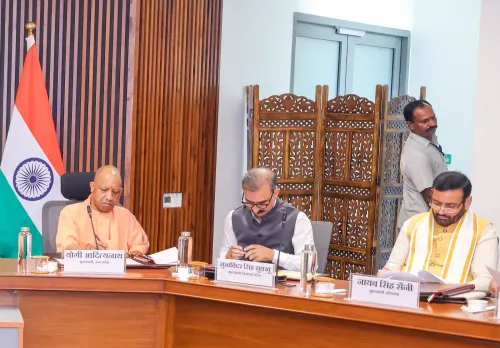
The Himachal Pradesh government has approved a uniform policy to value, price and periodically revise rates for selling surplus raw water from all existing and future water resources and projects in the state, including inter-state projects. The policy sets an initial benchmark rate of ₹100 per 1,000 cubic feet. Officials in Shimla announced the decision on Thursday, 26 November 2026.
According to the state government, the framework is meant to ensure transparent and economically rational valuation of Himachal's water resources while protecting the state's financial interests.
Key Provisions of the Policy
The policy creates a single mechanism for fixing rates of surplus raw water supplied to neighbouring states, government agencies and industries, wherever permissible. Water will be sold only after the present and future needs of the state are met, the government said.
Water used for domestic purposes within Himachal Pradesh is excluded from the framework.
The policy applies to all current and future projects from which surplus raw water is supplied to other states or eligible agencies. It also sets a standard pricing structure for inter-state multipurpose and water-storage projects, including the proposed Kishau Multipurpose Project and the Renuka Dam Project.
How Rates Will Be Revised
The initial benchmark of ₹100 per 1,000 cubic feet will not stay fixed. Rates will be revised periodically in line with the wholesale price index (WPI).
The government says linking the rate to WPI will protect the economic value of water against changes in prevailing price levels. That should reduce the risk of long-term supply agreements losing value to inflation over time.
The Kishau and Upper Yamuna Context
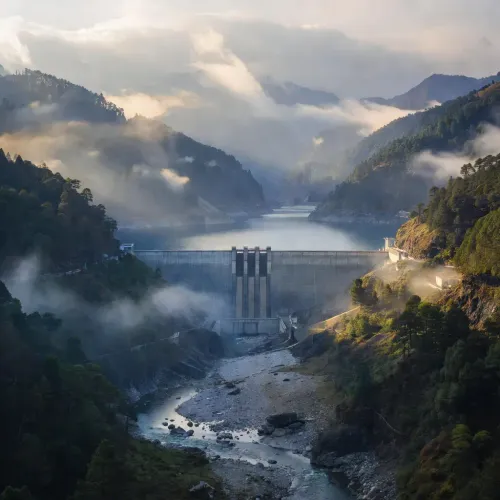
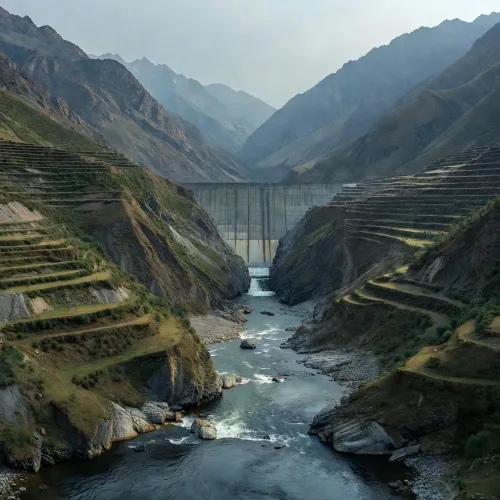
The policy carries particular weight because of the Kishau Multipurpose Project. Under that project, Himachal Pradesh has been allocated 3.154 per cent of the dam's live storage, or roughly 42 million cubic metres.
The state also holds an allocated share of Yamuna waters under a memorandum of understanding signed among the Upper Yamuna Basin states. That pact provides for the development of the Lakhwar, Kishau and Renuka dam projects to make optimum use of the basin's water.
With these multi-state projects moving forward, the new pricing framework gives Himachal a predefined basis for negotiating how its share of stored water is valued when it is supplied beyond its borders.
What the Chief Minister Said
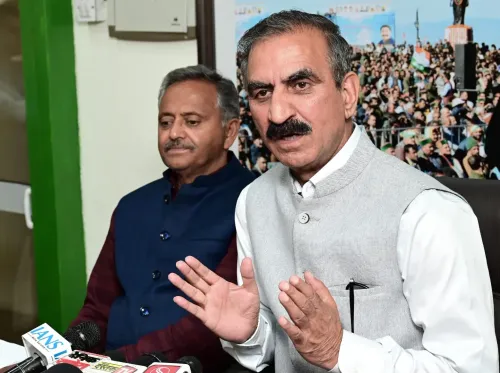
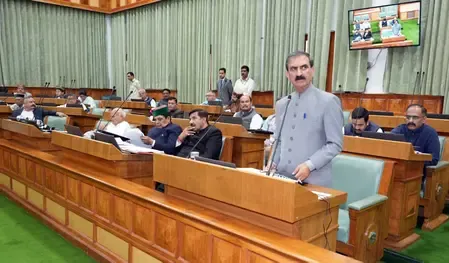
Chief Minister Sukhvinder Sukhu said the government is committed to protecting Himachal Pradesh's natural resources. He said the state should receive appropriate economic returns from its water resources.
Sukhu described water as one of the state's most important assets. He said its economic value must be recognised in any arrangement to supply surplus water to other states or agencies.
According to the government, the policy will set up a transparent and uniform mechanism for fixing water rates and revising them periodically, protecting the state's long-term financial interests.
Who Is Affected
The framework will mainly affect neighbouring states that receive water from Himachal-linked projects. It will also apply to government agencies and industries buying surplus raw water. Domestic consumers within the state are not covered.
The policy's real impact is likely to become clearer as negotiations and agreements over the Kishau and Renuka projects take shape.
Frequently Asked Questions
What is Himachal Pradesh's new surplus raw water policy?
It is a uniform framework for valuing, pricing and periodically revising rates for surplus raw water that Himachal Pradesh supplies to other states, government agencies and industries. It applies to all existing and future projects, including inter-state projects.
What rate has Himachal fixed for surplus raw water?
An initial benchmark rate of ₹100 per 1,000 cubic feet has been approved. Rates will be revised periodically based on the wholesale price index.
Does the policy apply to domestic water use in Himachal?
No, the framework does not apply to water used for domestic purposes within the state. It covers only surplus raw water supplied after the state's present and future needs are met.
What is Himachal's share in the Kishau Multipurpose Project?
Himachal Pradesh's allocated share is 3.154 per cent of the dam's live storage, about 42 million cubic metres. The new policy sets a standard pricing framework for projects including Kishau and Renuka.
Why did the Himachal government introduce this policy?
Chief Minister Sukhvinder Sukhu said the aim is to protect the state's natural resources and ensure appropriate economic returns from water. The government says the policy brings transparency and protects the state's long-term financial interests.