Assam CM Himanta Biswa Sarma studies Gujarat's SWAGAT grievance system, visits Somnath Temple
Synopsis
Assam CM Himanta Biswa Sarma flew to Gujarat to study the SWAGAT grievance platform — launched by Modi in 2003 and boasting a 90-per-cent resolution rate — before offering prayers at Somnath. The visit signals that Assam may be looking to replicate one of India's oldest e-governance success stories.
Key Takeaways
Assam CM Himanta Biswa Sarma visited Gandhinagar on 27 August to study Gujarat's SWAGAT Online Grievance Redressal System .
The SWAGAT system, launched in 2003 , operates across village, taluka, and district levels and resolves more than 90 per cent of grievances filed.
Sarma was briefed by Gujarat CM Bhupendra Patel and Deputy CM Harsh Sanghavi and expressed strong interest in the model.
Sarma visited the Somnath Jyotirlinga temple in Gir Somnath with his family during the holy month of Sawan .
He targeted the Congress over women's rights and the Uniform Civil Code , calling the party 'anti-woman.' Sarma rejected generational labels like Gen Z and Gen Alpha as Western concepts incompatible with Indian family-centric values.
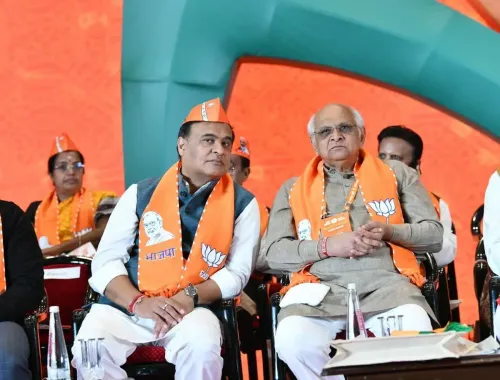
Assam Chief Minister Himanta Biswa Sarma on Thursday, 27 August visited Gandhinagar to study Gujarat's celebrated SWAGAT Online Grievance Redressal System and later offered prayers at the Somnath Temple in Gir Somnath, signalling Assam's interest in adopting technology-driven public administration models.
Briefing on the SWAGAT System
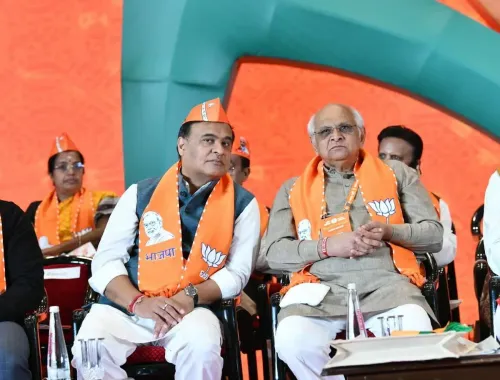
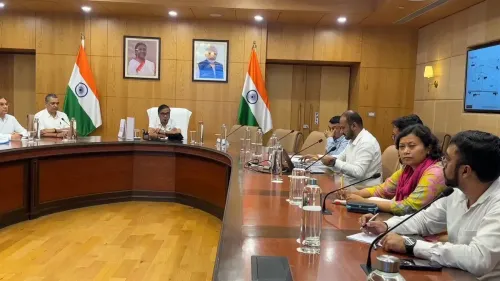
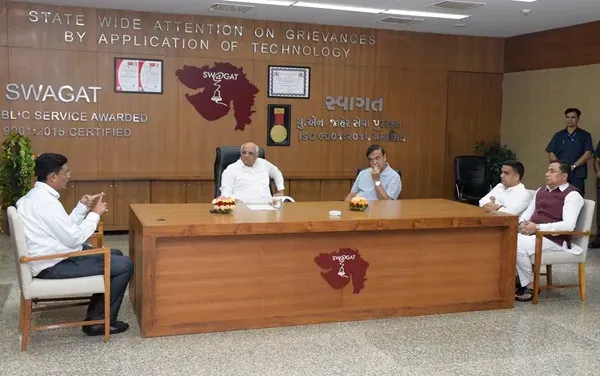
In Gandhinagar, Sarma received a detailed walkthrough of the SWAGAT mechanism from Gujarat Chief Minister Bhupendra Patel and Deputy Chief Minister Harsh Sanghavi. The system, launched in 2003 during Prime Minister Narendra Modi's tenure as Gujarat's chief minister, enables citizens to raise grievances online and monitor their resolution in real time.
Patel and Sanghavi explained the system's three-tier structure, operating at the village, taluka, and district levels. According to the briefing, more than 90 per cent of representations filed through SWAGAT are successfully resolved. Sarma expressed keen interest and was reportedly impressed by the platform's technology-enabled approach to governance.
Also present at the interaction were Assam Finance Minister, Gandhinagar MLA Alpesh Thakor, Gujarat Chief Minister's Additional Principal Secretary Dr Vikrant Pandey, and Officers on Special Duty Dhiraj Parekh and Rakesh Vyas.
Prayers at Somnath Temple
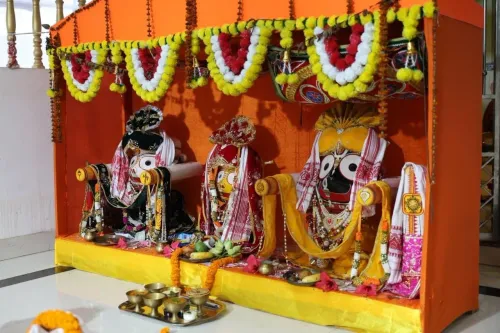
Earlier in the day, Sarma travelled to Gir Somnath, arriving by helicopter before visiting the Somnath Jyotirlinga temple with his family. Describing the visit as a moment of personal devotion, Sarma said, 'Today, I had the good fortune to have the divine darshan of Lord Somnath along with my family.'
He called the Jyotirlinga a symbol of faith and India's ancient civilisation, adding that its history was inspirational for Sanatanis. He also said he had prayed for the 'peace and prosperity of Bharatvarsha.' Noting that the visit fell during the holy month of Sawan, Sarma expressed gratitude to those who facilitated the trip, saying the 'darshan went extremely well.'
Political Remarks on Congress and Uniform Civil Code
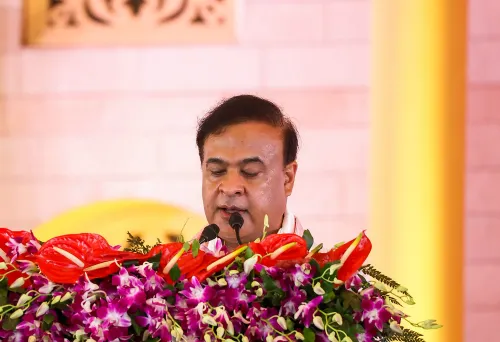
During the Gujarat visit, Sarma also trained his sights on the Indian National Congress, making pointed remarks on women's rights and the Uniform Civil Code (UCC). He said, 'Congress is an anti-woman party,' and argued that the party bore responsibility for the country's failure to implement a UCC so far. He called on women to boycott the Congress, asserting they had been denied equal rights because of the party.
Sarma on Indian Identity vs Western Generational Labels
Sarma also pushed back against the use of Western generational labels such as Gen Z and Gen Alpha in the Indian context. 'There is no such thing as Gen Z or Gen Alpha in our country,' he said, arguing that Indian society is built around familial bonds — sons and daughters, fathers and mothers, paternal and maternal grandparents — rather than demographic cohorts. He contended that such concepts originated in America and Europe and have no connection to Indian culture, urging citizens to 'live like a family' and work collectively for national progress.
Sarma's Gujarat visit underscores a growing trend among BJP-governed states of cross-pollinating governance best practices, with the SWAGAT system now potentially on Assam's administrative radar.
Point of View
And its 90-per-cent resolution claim — if independently verifiable — would be a compelling template for Assam, which faces persistent public-service delivery gaps. What is worth watching is whether this cross-state learning translates into an actual policy adoption or remains a photo-op. The political commentary on the UCC and Congress, delivered on Gujarat soil, also suggests Sarma is positioning himself as a national BJP voice, not just a regional administrator.
NationPress
12 Oct 2026
Frequently Asked Questions
What is Gujarat's SWAGAT Online Grievance Redressal System?
SWAGAT is an online platform launched in 2003 that allows citizens to file grievances and track their resolution across village, taluka, and district levels. According to officials, more than 90 per cent of representations received through the system are resolved.
Why did Assam CM Himanta Biswa Sarma visit Gujarat?
Sarma visited Gujarat on 27 August to receive a detailed briefing on the SWAGAT grievance redressal system from CM Bhupendra Patel and Deputy CM Harsh Sanghavi, expressing interest in adopting a similar technology-driven model for Assam.
Where did Himanta Biswa Sarma offer prayers during his Gujarat visit?
Sarma visited the Somnath Jyotirlinga temple in Gir Somnath with his family. He described the visit as spiritually significant, noting it occurred during the holy month of Sawan, and said he prayed for the peace and prosperity of Bharatvarsha.
What did Sarma say about the Uniform Civil Code and Congress?
Sarma called Congress an 'anti-woman party' and argued it was responsible for India not having implemented a Uniform Civil Code. He called on women to boycott the party, asserting they had been denied equal rights because of it.
What was Sarma's position on Gen Z and Gen Alpha labels?
Sarma rejected the generational labels Gen Z and Gen Alpha as Western constructs with no relevance to Indian society. He argued that India is structured around familial relationships and urged citizens to live collectively and work for national progress.