CM Sarma's Assam joins Gujarat, Uttarakhand on national list
Synopsis
The Chief Minister's Office of Assam declared on 28 May 2026 that Assam has entered a national list alongside Gujarat and Uttarakhand, marking a governance milestone for the BJP-led state under CM Himanta Biswa Sarma. The full index and issuing body are yet to be publicly detailed.
Key Takeaways
The Chief Minister's Office of Assam announced on 28 May 2026 that Assam has been included in a national list, joining Gujarat and Uttarakhand .
The Assamese-language post translates as: 'After Gujarat and Uttarakhand, Assam enters the list.' Gujarat and Uttarakhand are established frontrunners in national governance and policy performance indices.
Assam under CM Himanta Biswa Sarma has pursued active administrative reforms since 2021 to improve its development indices.
The precise index, issuing central body, and ranking methodology have not yet been publicly identified.
A full ranking report and possible state-level policy follow-through are anticipated in the near term.
The Chief Minister's Office of Assam announced on Thursday, 28 May 2026 that Assam has been included in a national list or index, joining frontrunner states Gujarat and Uttarakhand — a development the office framed as a significant governance milestone for the northeastern state.
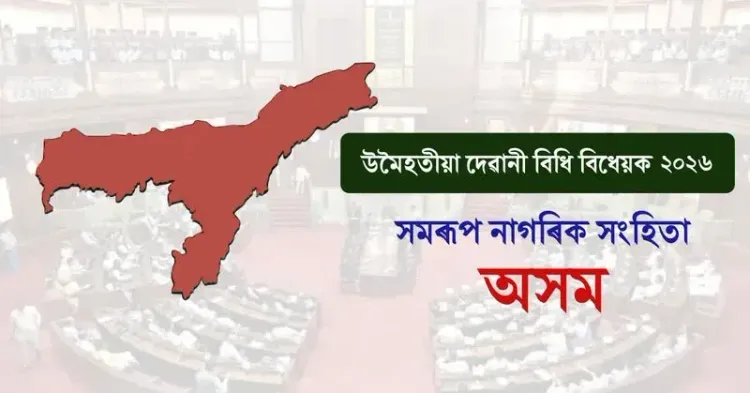
The post, written in Assamese, reads: 'গুজৰাট-উত্তৰাখণ্ডৰ পাছত তালিকাত সোমাল অসম' — translated as 'After Gujarat and Uttarakhand, Assam enters the list.' The brief but pointed announcement signals that the state administration views this inclusion as validation of its ongoing governance reforms.
Context
Gujarat and Uttarakhand have long served as benchmark states in national governance and policy indices. Gujarat is routinely ranked among the top performers in economic and regulatory frameworks, while Uttarakhand gained renewed national attention in 2024 as an early adopter of landmark policy measures including the Uniform Civil Code. Being named alongside these two states carries symbolic and administrative weight in India's competitive federalism landscape.
Assam, governed by a BJP-led administration under Chief Minister Himanta Biswa Sarma since 2021, has pursued an active agenda of administrative reform, scheme saturation, and development-index improvement. The state has repeatedly sought to reposition itself from a welfare-dependent northeastern state to a governance model worth emulating.
Policy Backdrop
Indian state governments regularly receive recognition when central bodies — including NITI Aayog and various central ministries — compile performance rankings across sectors such as ease of doing business, health, education, and public service delivery. Such lists are designed to incentivise states through competitive benchmarking and peer pressure.
Assam's inclusion, framed as following Gujarat and Uttarakhand, suggests it may have crossed a threshold or saturation target that qualified it for the list. The precise index and the issuing central body have not been identified in the official post; the full ranking report and methodology are expected to provide further detail.
Stakeholders and Impact
For Assam's approximately 3.5 crore residents, entry into a national governance or performance list can translate into increased central attention, potential policy incentives, and improved investor perception of the state. Administrative departments responsible for the underlying reforms stand to gain both resources and reputational credibility.
The announcement also carries political significance for the BJP government ahead of future electoral cycles, reinforcing its narrative of transformative governance in a state that was once associated with insurgency and administrative underperformance.
What's Next
The full ranking report or index methodology from the issuing central body is expected to be released publicly, which will clarify the precise parameters on which Assam qualified and how it compares with Gujarat and Uttarakhand on individual metrics. State-level implementation orders or policy follow-through announcements are likely to follow. The Chief Minister's Office is expected to elaborate on the specific reform areas that drove this recognition in subsequent communications.
Point of View
Positioning the northeastern state as a peer to India's governance exemplars rather than a peripheral beneficiary of central transfers. The framing — 'after Gujarat and Uttarakhand' — deliberately invokes a hierarchy of reform credibility that resonates with the BJP's national narrative of competitive federalism. For a state historically burdened by insurgency and welfare dependency, such recognition, even if incremental, feeds into a longer arc of image transformation that the ruling dispensation has invested in since 2021. Whether the underlying index reflects durable structural change or short-term metric optimisation will determine how lasting this positioning proves to be.
NationPress
11 Oct 2026
Frequently Asked Questions
Which list has Assam joined along with Gujarat and Uttarakhand?
The Chief Minister's Office of Assam announced on 28 May 2026 that Assam has entered a national list alongside Gujarat and Uttarakhand, but the precise index and issuing central body have not been publicly identified in the official post.
What governance reforms has Assam undertaken under CM Himanta Biswa Sarma?
Since 2021, the Himanta Biswa Sarma-led BJP government in Assam has pursued administrative reforms, scheme saturation drives, and improvements across development indices to reposition the state as a governance model in northeastern India.
Why are Gujarat and Uttarakhand considered benchmark states in India?
Gujarat is consistently ranked among the top states in economic and regulatory performance, while Uttarakhand gained national prominence in 2024 as an early adopter of policies such as the Uniform Civil Code, making both states reference points in national governance rankings.
What does it mean for Assam to enter a national governance ranking?
Inclusion in a national performance list can bring increased central government attention, policy incentives, improved investor perception, and political credibility for the ruling administration, benefiting Assam's approximately 3.5 crore residents.
When will the full details of the list Assam joined be available?
The full ranking report and index methodology from the issuing central body are expected to be released publicly soon, which will clarify the specific parameters and how Assam compares with Gujarat and Uttarakhand on individual metrics.