Himanta Biswa Sarma targets Rahul Gandhi at Bihar rally, Bangladesh remark sparks row
Synopsis
Assam CM Himanta Biswa Sarma's suggestion at a Bihar rally that Rahul Gandhi be 'sent to Bangladesh' because he cannot win in Bihar, West Bengal, or Assam has ignited fresh political controversy — arriving at the same moment the BJP is pushing for a Special Intensive Revision of voter rolls in sensitive border regions, blending electoral administration with charged historical and cross-border rhetoric.
Key Takeaways
Assam CM Himanta Biswa Sarma attacked Rahul Gandhi at a BJP rally in Purnea, Bihar on 4 November 2026 .
Sarma remarked that Gandhi should be 'sent to Bangladesh ' as he had failed to win elections in Bihar, West Bengal, or Assam.
Sarma defended removal of names like Babar and Aurangzeb from voter lists, calling it 'stealing hearts, not votes.' He called on the Election Commission of India to conduct a fresh Special Intensive Revision (SIR) of electoral rolls in the Seemanchal region.
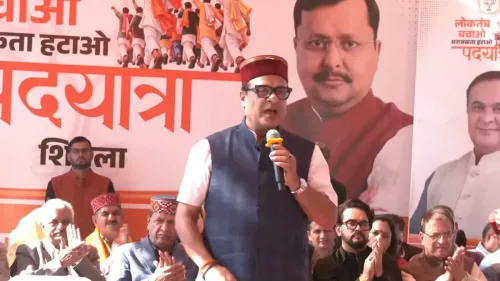
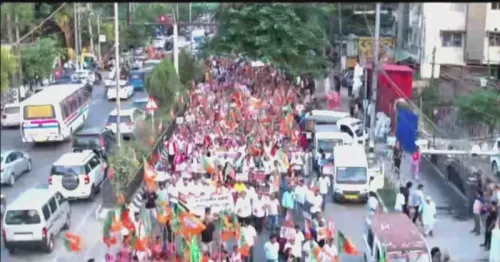
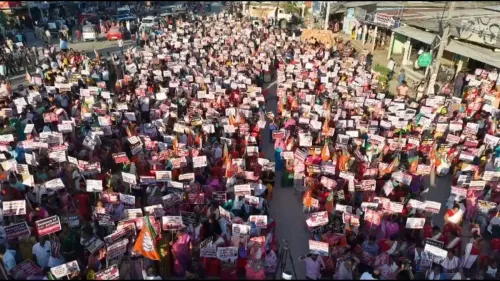
The remarks were made as part of the BJP's 'Loktantra Bachao, Arajakta Hatao' campaign launched in Bhagalpur earlier this week.
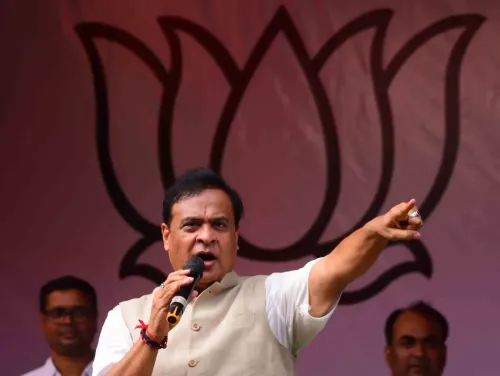
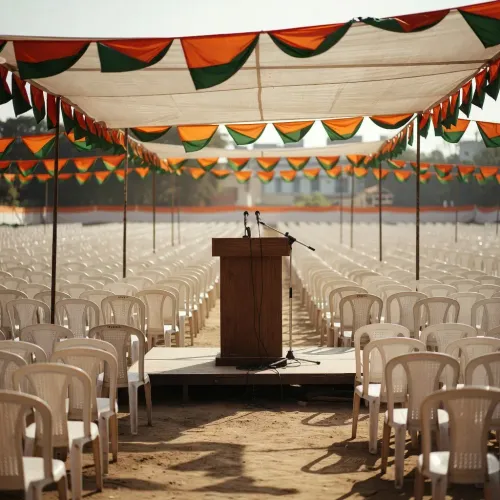
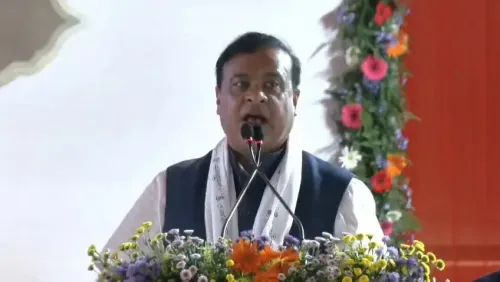
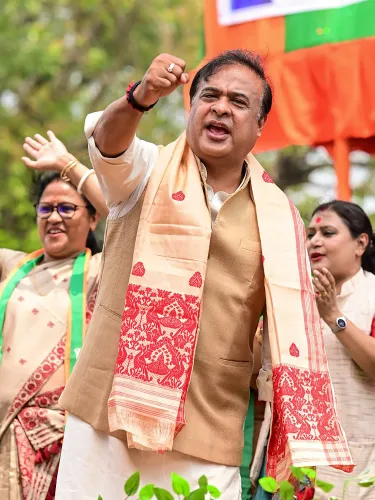
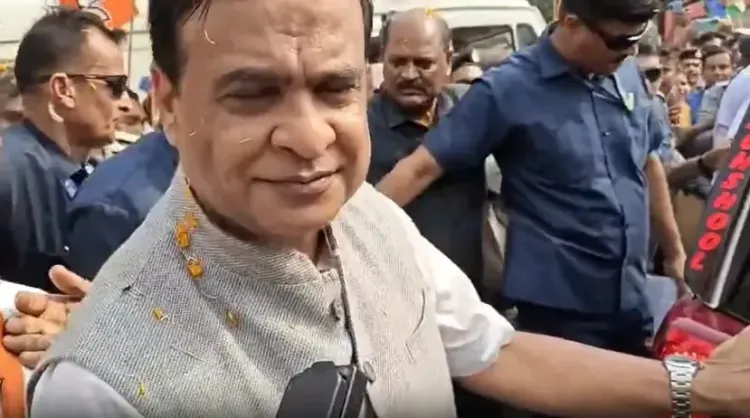
Assam Chief Minister Himanta Biswa Sarma launched a blistering attack on Congress leader Rahul Gandhi at a Bharatiya Janata Party (BJP) rally in Purnea district, Bihar on Wednesday, 4 November 2026, triggering sharp political debate with remarks linking Gandhi to Bangladesh. The event was part of the BJP's 'Loktantra Bachao, Arajakta Hatao' (Save Democracy, Remove Anarchy) campaign, which was launched in Bhagalpur earlier this week and is now being taken across multiple regions of Bihar.
The Bangladesh Remark
In a pointed jibe, Sarma said he — along with Bihar Chief Minister Samrat Choudhary and West Bengal Chief Minister Suvendu Adhikari — would 'send' Rahul Gandhi to Bangladesh, where he could 'perhaps win an election.' He argued that since Gandhi had been unable to secure victories in Bihar, West Bengal, or Assam, Bangladesh might be a more suitable political destination for him. The remark quickly drew criticism and ignited debate over the propriety of invoking a foreign country in domestic political rhetoric.
Electoral Roll Revision and the 'Stolen Hearts' Argument
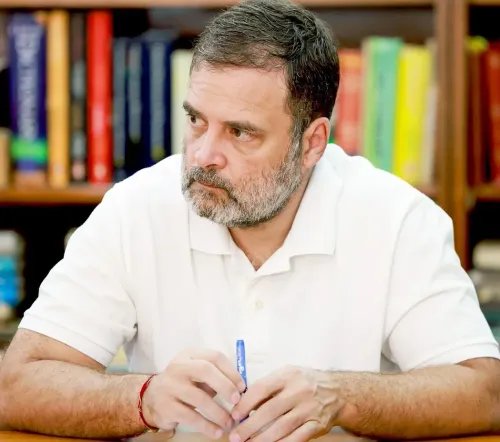
Sarma also defended the ongoing revision of electoral rolls, dismissing Rahul Gandhi's objections as unwarranted. He argued that removing names such as Babar and Aurangzeb from voter lists was entirely legitimate and reframed Gandhi's 'vote theft' allegation as a matter of 'stealing hearts' rather than votes. Drawing on the Ram Mandir in Ayodhya, he asked rhetorically whether the construction of a grand temple on a site where the Babri Masjid had stood for nearly 500 years could also be characterised as 'stealing hearts.' Critics have noted that equating the removal of names referencing historical Mughal figures with electoral legitimacy blurs the line between administrative process and political signalling.
Focus on Seemanchal Region
Sarma specifically highlighted the Seemanchal region — covering parts of Bihar, Assam, and West Bengal — as an area of particular concern, stating that the situation there was 'well known.' He called on the Election Commission of India (ECI) to undertake a fresh Special Intensive Revision (SIR) of electoral rolls across these areas, reiterating that the exercise was necessary to ensure the integrity of voter lists. The demand adds political weight to what has otherwise been framed as an administrative exercise, and comes amid heightened scrutiny of voter roll processes in border districts.
Campaign Context and Political Fallout
The BJP's 'Loktantra Bachao, Arajakta Hatao' campaign is explicitly aimed at consolidating the party's base across Bihar ahead of future electoral contests. Sarma's remarks at Purnea represent an escalation in the BJP's rhetoric targeting the Congress leadership. This is not the first time Sarma has used Bangladesh as a rhetorical device in political discourse — he has previously drawn controversy in Assam over remarks connecting illegal immigration, demographic change, and electoral rolls. The latest comments are likely to invite responses from the Congress and opposition parties, who have consistently accused the BJP of using divisive language to deflect from governance issues. How the ECI responds to demands for a fresh SIR in Seemanchal will be closely watched in the weeks ahead.
Point of View
A rhetorical space the BJP has carefully cultivated in Assam and now appears to be exporting to Bihar's Seemanchal belt. The demand for a fresh SIR in border districts, dressed in the language of democratic integrity, carries unmistakable demographic undertones that opposition parties will find difficult to counter without being cast as defenders of infiltration. What mainstream coverage tends to miss is the structural function of such rallies: they are less about Rahul Gandhi and more about anchoring local anxieties around borders and identity ahead of state-level contests. The Congress's response — and the ECI's handling of the SIR demand — will reveal how much political oxygen this particular gambit actually has.
NationPress
4 Nov 2026
Frequently Asked Questions
What did Assam CM Himanta Biswa Sarma say about Rahul Gandhi at the Bihar rally?
Sarma said he, along with Bihar CM Samrat Choudhary and West Bengal CM Suvendu Adhikari, would 'send' Rahul Gandhi to Bangladesh, where Gandhi could 'perhaps win an election.' He argued that Gandhi had been unable to win elections in Bihar, West Bengal, or Assam, making Bangladesh a 'suitable destination.'
What is the BJP's 'Loktantra Bachao, Arajakta Hatao' campaign?
It is a BJP outreach programme launched in Bhagalpur, Bihar earlier this week, being carried forward across several regions of the state. The campaign name translates to 'Save Democracy, Remove Anarchy' and is aimed at consolidating the party's base ahead of future electoral contests.
Why did Sarma defend the removal of names like Babar and Aurangzeb from voter lists?
Sarma argued that removing such names from electoral rolls was a legitimate administrative exercise and not 'vote theft' as alleged by the Congress. He reframed the action as 'stealing hearts' — drawing an analogy with the construction of the Ram Mandir in Ayodhya — to defend the revision process on cultural and historical grounds.
What is the Seemanchal region and why is it significant in this context?
Seemanchal is a border region spanning parts of Bihar, Assam, and West Bengal. Sarma specifically called it out as an area of concern and demanded a fresh Special Intensive Revision (SIR) of electoral rolls there, citing what he described as a well-known situation — a reference widely understood to relate to concerns over illegal cross-border migration.
How has this controversy developed politically?
Sarma's Bangladesh remark and the electoral roll revision demands have drawn political criticism and are expected to prompt responses from the Congress and other opposition parties. The ECI's response to the SIR demand in Seemanchal will be a key development to watch in the coming weeks.