Is Ho Chi Minh City Facing a Hand-Foot-Mouth Disease Outbreak?

Synopsis
Ho Chi Minh City is grappling with a significant increase in hand-foot-mouth disease cases, with over 32,000 reported in 2023, prompting health authorities to take urgent preventive measures. This surge underscores the importance of community awareness and health precautions.
Key Takeaways
Ho Chi Minh City has seen a 64% increase in HFMD cases this year.
The Enterovirus 71 strain is linked to severe cases.
Children under 5 are most susceptible to this disease.
HFMD usually resolves within seven to ten days .
Preventive measures are essential in schools and communities.
Hanoi, Dec 4 (NationPress) The bustling metropolis of Ho Chi Minh City, located in southern Vietnam, has observed a troubling rise in cases of hand-foot-mouth disease, with a staggering total of 32,637 infections reported since the beginning of this year—an alarming increase of 64 percent compared to last year, according to local newspaper Tuoi Tre on Thursday.
During the period from November 17 to 23, the city recorded 1,547 new cases, marking a 15 percent surge from the average of the preceding four weeks, as per the city's Department of Health.
Tang Chi Thuong, the director of the department, indicated that the Enterovirus 71 (EV71) pathogen has resurfaced this November, contributing to more serious cases of the disease.
Out of the 18 severe cases admitted to a pediatric hospital in Ho Chi Minh City, 10 were confirmed to be infected with Enterovirus 71.
Thuong emphasized the urgency of enhancing preventive strategies in both the community and educational institutions, as reported by Xinhua.
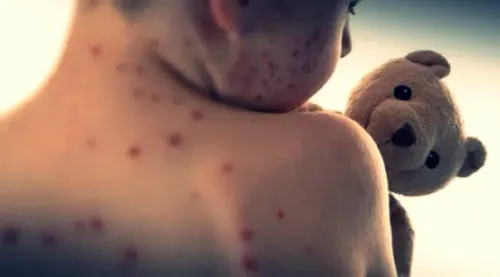
Hand, foot and mouth disease (HFMD) is a highly infectious illness caused by various viruses. The name arises from the blister-like rash that manifests on a child's hands and feet, along with painful sores in the mouth. This rash can also appear on other body parts, including the chest, back, arms, legs, genitals, and buttocks.
Children under the age of 5 are particularly vulnerable to HFMD, which spreads rapidly in daycare centers and schools. However, older children and adults can also contract it. Due to the variety of viruses that can cause this illness, individuals may experience HFMD multiple times.
Typically mild, hand-foot-mouth disease usually resolves on its own within seven to ten days.
This disease is contagious, with children being most infectious during the initial days of illness, often before the rash appears. The blisters generally dry up in about 10 days, and the risk of spreading the virus diminishes once this occurs. Nevertheless, the virus can persist in the stool for weeks after the rash has resolved.
Point of View
It is imperative to highlight the significant health concerns arising from the surge in hand-foot-mouth disease in Ho Chi Minh City. The increase in cases not only affects the local population but serves as a reminder of the broader public health challenges that can arise. It is crucial for communities to remain vigilant and proactive in implementing health measures to protect vulnerable populations, particularly young children.
NationPress
9 Oct 2026
Frequently Asked Questions
What is hand-foot-mouth disease?
Hand-foot-mouth disease (HFMD) is a contagious viral infection that primarily affects infants and children, characterized by sores in the mouth and a rash on the hands and feet.
How does hand-foot-mouth disease spread?
HFMD spreads through direct contact with an infected person's saliva, blister fluid, or feces, making it easily transmissible in schools and daycare settings.
What are the symptoms of hand-foot-mouth disease?
Symptoms include fever, sore throat, mouth sores, and a rash on the hands and feet. Symptoms typically appear within three to seven days after exposure.
How serious is hand-foot-mouth disease?
While generally mild, serious complications can arise, particularly in cases involving Enterovirus 71. It usually resolves on its own within seven to ten days.
What preventive measures can be taken?
Good hygiene practices such as frequent handwashing, disinfecting surfaces, and keeping infected individuals at home can help prevent the spread of HFMD.