HRW urges Bangladesh to end arbitrary detention of Awami League leaders
Synopsis
At least 10 Awami League office holders have died in Bangladeshi custody without ever being charged — and Human Rights Watch says the pattern of arbitrary detention under Prime Minister Tarique Rahman mirrors the very abuses his government pledged to end. With a new human rights commission bill that critics say would block investigations into arbitrary arrests, the reform promises are facing their first major credibility test.
Key Takeaways
Human Rights Watch has called on Bangladesh to immediately end prolonged pre-trial detention of Awami League politicians and supporters.
At least 10 Awami League office holders have died in custody since Prime Minister Tarique Rahman took office in February 2026 , most without being charged.
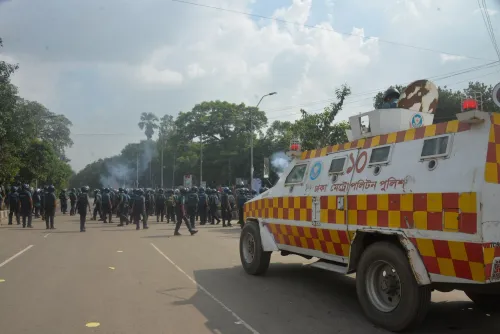
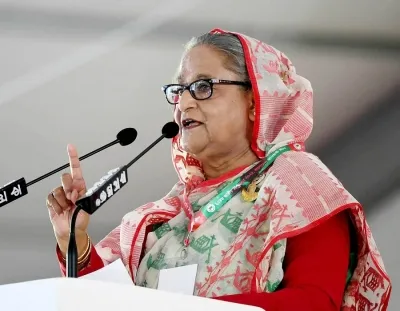
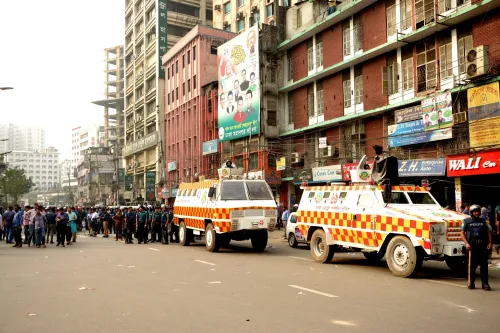
Thousands were detained after Sheikh Hasina was ousted in August 2024 following violent protests.
Family members and lawyers allege detainees — including elderly and seriously ill individuals — have been denied bail and medical care.
HRW criticised the ruling BNP government's proposed National Human Rights Commission bill for stripping the body of power to investigate arbitrary arrests.
HRW Asia Director Elaine Pearson called for independent inquiries into all prison deaths and an end to detention without charge.
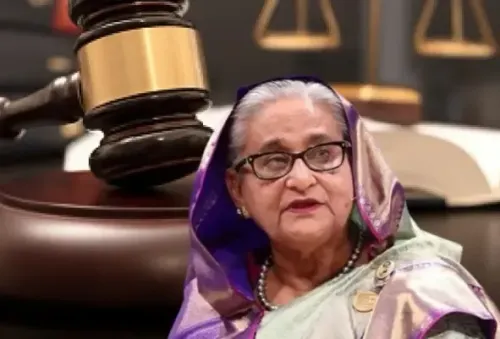
Human Rights Watch (HRW), the US-based rights advocacy group, has called on Bangladesh's authorities to immediately end the prolonged pre-trial detention of politicians and others linked to former Prime Minister Sheikh Hasina's Awami League government, warning that hundreds remain imprisoned without formal charges. The appeal, issued on 24 August, adds international pressure on the administration of Prime Minister Tarique Rahman, which took office in February 2026.
Scale of Detentions
According to HRW, police detained thousands of Awami League officials, activists, and supporters after Sheikh Hasina was ousted in August 2024 following weeks of violent protests. Those held without charge reportedly include former members of parliament, lawmakers who backed the Hasina administration, party activists, officials, and journalists who had supported the Awami League government. Others in custody face accusations of serious international crimes, including extrajudicial killings, torture, and enforced disappearances, while some are also accused of corruption.
Custodial Deaths and Denial of Basic Rights
HRW highlighted that at least 10 Awami League office holders — most of whom had not been charged with any crime — have died in custody since Tarique Rahman assumed office. Family members and lawyers of detainees allege that many, including elderly individuals and those with serious health conditions, have been denied bail and adequate medical care. Elaine Pearson, Asia Director at HRW, stated: 'Under one government after another, hundreds of opposition members have been locked up without evidence or due process. The government of Prime Minister Tarique Rahman has pledged reform, and as a first step he should end the prolonged arbitrary detention of political opponents.'
Bail Denials and Court Circumvention
The rights body said that prosecutors have repeatedly opposed bail despite the absence of supporting evidence. Lower magistrate and district courts have continued to deny bail, and in cases where the High Court has granted bail, government authorities have reportedly filed fresh cases against the same individuals to keep them detained — a practice HRW characterised as a circumvention of judicial orders.
Concerns Over New Human Rights Commission Bill
HRW also criticised the ruling Bangladesh Nationalist Party (BNP) government's proposed National Human Rights Commission bill, warning that, if adopted in its current form, the legislation would strip the new commission of the authority to investigate alleged arbitrary arrests — a provision the rights group described as a significant rollback of accountability mechanisms.
What HRW Is Demanding
The organisation called for a judge or other competent authority to review the detention of every pre-trial detainee to assess its legality and necessity. It stressed that any pre-trial restrictions must be consistent with the right to liberty, the presumption of innocence, and the right to equality before the law. Pearson added: 'A justice system that lets older people die in custody before they are ever charged is not treating pre-trial detention as the exceptional measure it always should be. The Bangladeshi government should order independent inquiries into all prison deaths under its watch and stop arbitrarily detaining people for prolonged periods without charge.' How the Rahman administration responds to this international scrutiny is likely to shape Bangladesh's standing with multilateral rights bodies in the months ahead.
Point of View
But HRW's findings suggest it has inherited — and continued — the same architecture of arbitrary detention that defined its predecessors. The detail that High Court bail orders are being neutralised by fresh case filings is particularly damning: it points not to a legal system functioning under pressure, but to one being actively gamed by the executive. The proposed human rights commission bill, which would bar the new body from probing arbitrary arrests, compounds the concern. Bangladesh's democratic credibility — already fragile after a year of political upheaval — will be judged as much by how it treats its imprisoned opponents as by any election it holds.
NationPress
8 Oct 2026
Frequently Asked Questions
Why is Human Rights Watch criticising Bangladesh's government?
HRW is criticising the Bangladesh government of Prime Minister Tarique Rahman for keeping hundreds of Awami League politicians, activists, and journalists in pre-trial detention without formal charges. The group says at least 10 detainees have died in custody since February 2026, most without ever being charged.
Who is being detained in Bangladesh?
Those detained include former Awami League members of parliament, lawmakers who supported Sheikh Hasina's administration, party activists, officials, and journalists. Others in custody face accusations of serious crimes including extrajudicial killings and torture, while some are accused of corruption.
What happened after Sheikh Hasina was ousted?
Following weeks of violent protests, Sheikh Hasina was ousted in August 2024. In the aftermath, Bangladeshi police detained thousands of Awami League officials, activists, and supporters, many of whom have remained in custody without formal charges since then.
What does HRW say about bail denials in Bangladesh?
HRW says prosecutors have repeatedly opposed bail despite a lack of evidence, and lower courts have continued to deny it. In cases where the High Court has granted bail, authorities have reportedly filed fresh cases against the same individuals to keep them detained.
What is the concern about Bangladesh's new human rights commission bill?
HRW has warned that the BNP government's proposed National Human Rights Commission bill, if passed in its current form, would remove the commission's power to investigate alleged arbitrary arrests — a move critics say would undermine accountability for the very abuses HRW is documenting.