I-T Dept drafting rules for electronic nil, lower TDS certificates

Synopsis
India's Income Tax Department is writing the rules that will let taxpayers apply online for nil or lower TDS certificates — ending paperwork and office visits. With appeals disposal nearly doubling to 2.24 lakh in 2025-26, the department is simultaneously clearing its backlog. The enabling rules are still pending gazette notification.
Key Takeaways
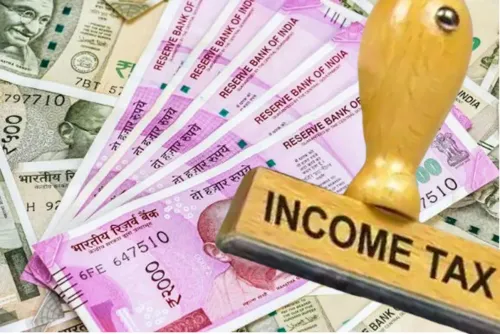
The Income Tax Department is drafting rules to enable electronic applications for lower or nil TDS certificates under Budget 2026-27 .
Section 395(1) of the Income-tax Act, 2025 and the Finance Act, 2026 form the legal basis; enabling rules are 'under preparation'.
Applications will be processed using existing data — AIS , TIS , Form 26AS , and past returns — making the process paperless.
The IT Department disposed of 2.24 lakh appeals in 2025-26 , nearly double the 1.11 lakh cleared in 2023-24 .
Faceless assessments completed fell from 2.73 lakh in 2023-24 to 2.13 lakh in 2025-26.
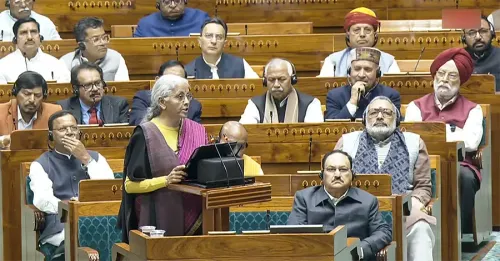
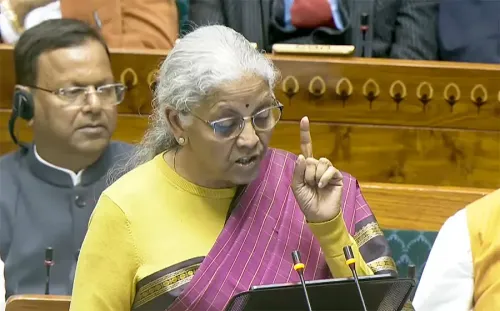
The Income Tax Department is currently framing rules to operationalise a key Budget 2026-27 provision that will allow taxpayers to apply electronically for certificates enabling deduction of tax at source (TDS) at lower or nil rates, the government told Parliament on Monday, 10 August. The disclosure came in a written reply to the Lok Sabha by Union Minister of State for Finance Pankaj Choudhary.
The Legal Basis
Section 395(1) of the Income-tax Act, 2025 provides for the issuance of certificates allowing TDS at nil or lower rates. The Finance Act, 2026 has further enabled taxpayers to file such applications electronically, with certificates to be issued — or applications rejected — subject to conditions that are yet to be prescribed.
'...the enabling rule is currently under preparation and shall be notified in due course,' Choudhary said in his written response.
How the New System Will Work
Under the proposed framework, taxpayers will be able to apply digitally to the tax authority for a lower or nil TDS certificate. The application is expected to be processed using data already held by the department — including previously filed returns, the Annual Information Statement (AIS), the Taxpayer Information Summary (TIS), and Form 26AS.
A taxpayer typically seeks such a certificate when the expected tax liability is lower than the amount that would otherwise be deducted at source, making the facility a tool to prevent excess deductions and reduce the burden of claiming refunds.
What This Means for Taxpayers
The move is aimed at easing compliance, particularly for small taxpayers, by eliminating paperwork, removing the need for repeated visits to tax offices, and making the process faster and more transparent. The shift to a fully paperless workflow is consistent with the department's broader push toward faceless and digital administration.
Faceless Assessments and Appeals: Key Numbers
The minister also shared data on the department's disposal of faceless assessments and appeals. The IT Department disposed of 2.24 lakh appeals in 2025-26, up sharply from 1.11 lakh in 2023-24. On assessments, 2.13 lakh faceless assessments were completed in 2025-26, compared with 2.73 lakh in 2023-24.
The decline in faceless assessments alongside a near-doubling of disposed appeals points to a deliberate shift in departmental focus toward resolving the backlog of contested cases. With the enabling rules still under preparation, taxpayers will need to await an official gazette notification before the electronic TDS certificate facility goes live.
Point of View
But the devil lies in the timeline. The Finance Act, 2026 has already granted the enabling power — yet the rules remain 'under preparation' with no gazette date indicated. For small taxpayers who currently over-pay TDS and wait months for refunds, every week of delay is a liquidity cost. Meanwhile, the near-doubling of appeal disposals to 2.24 lakh is a genuine administrative achievement, but the concurrent dip in faceless assessments completed raises a question the government has not answered: is the department redeploying capacity from assessments to appeals, and if so, is that a deliberate policy choice or a resource constraint?
NationPress
24 Sept 2026
Frequently Asked Questions
What is the electronic lower or nil TDS certificate facility?
It is a proposed digital mechanism that will allow taxpayers to apply online to the Income Tax Department for a certificate authorising their payers to deduct TDS at a lower or nil rate. The facility is being enabled under Section 395(1) of the Income-tax Act, 2025, and the Finance Act, 2026, with enabling rules currently under preparation.
Why would a taxpayer need a lower or nil TDS certificate?
A taxpayer seeks such a certificate when their expected annual tax liability is lower than the cumulative TDS that would otherwise be deducted by payers. Without the certificate, excess tax is deducted upfront, forcing the taxpayer to claim a refund — a process that locks up funds and involves compliance effort.
When will the electronic TDS certificate rules be notified?
No specific date has been announced. MoS Finance Pankaj Choudhary told the Lok Sabha on 10 August that the enabling rule is 'currently under preparation and shall be notified in due course.'
What data will the Income Tax Department use to process these applications?
The department is expected to process applications using information it already holds, including previously filed tax returns, the Annual Information Statement (AIS), the Taxpayer Information Summary (TIS), and Form 26AS — reducing the need for fresh document submission.
How many faceless assessments and appeals did the IT Department complete in 2025-26?
The department disposed of 2.24 lakh appeals in 2025-26, nearly double the 1.11 lakh cleared in 2023-24. It also completed 2.13 lakh faceless assessments in 2025-26, down from 2.73 lakh in 2023-24.