What Will the IMF Discover About the Yen in Japan's Article IV Mission?
Synopsis
As the IMF gears up for its Article IV consultation mission in Japan, all eyes are on the yen's fluctuations following significant events like the Bank of Japan's rate hike. Discover what crucial assessments the Fund plans to undertake regarding Japan's economy and external factors.
Key Takeaways
The IMF will assess Japan's external sector during its Article IV mission.
Comments on daily currency fluctuations will not be made by the IMF.
The mission is scheduled for January 22nd to February 6th.
The yen's movements are crucial for global market sentiment.
Recommendations to the Japanese authorities will be based on the IMF's findings.
Washington, Jan 16 (NationPress) The International Monetary Fund has announced that it will evaluate Japan's external sector, focusing on exchange rate matters, during its forthcoming Article IV consultation mission. However, the Fund refrained from making comments regarding the daily fluctuations in the yen.
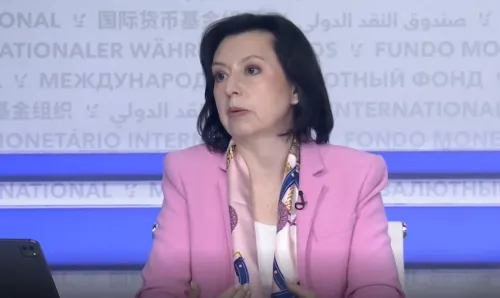
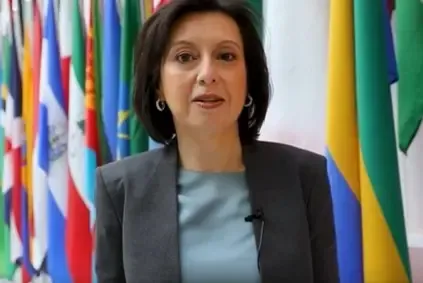
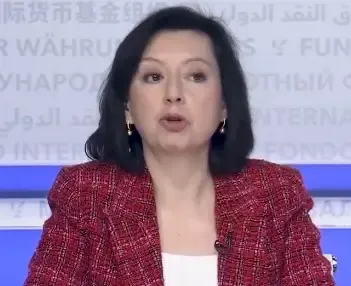
Julie Kozack, Director of the IMF’s Communications Department, stated during a press briefing, “We will indeed initiate the Article IV Consultation mission with Japan next week.”
“The mission is scheduled to occur from January 22nd to February 6th,” she added.
Kozack’s statements followed inquiries about the yen in light of the recent rate hike by the Bank of Japan in December and subsequent depreciation.
In response, Kozack clarified, “As with any Article IV consultation, we will provide a thorough evaluation of Japan's economy.”
She continued, “An examination of the exchange rate and external factors is inherent in any Article IV assessment.”
Regarding recent currency movements, she noted, “At this moment, we acknowledge the yen’s fluctuations; however, we do not comment on short-term market movements.”
Kozack explained that the Japan mission “will encompass an external sector assessment as part of a comprehensive review of the economy and policy recommendations for the Japanese authorities to manage their overall economic landscape.”
While addressing a question that referenced recent comments by US Treasury Secretary Scott Bessent following discussions with Japanese officials, Kozack did not provide specific insights but confirmed that the IMF’s formal evaluation would be conducted through the Article IV process.
Article IV consultations represent the IMF’s routine surveillance interactions with member nations, focusing on macroeconomic conditions, financial stability, and policy frameworks. The movements of the yen are closely monitored by global markets due to the currency's pivotal role in trade, investment flows, and overall risk sentiment.
Point of View
It's imperative to approach the IMF's upcoming assessment with a balanced perspective. While the yen's movements are noteworthy, understanding the broader economic implications for Japan and global markets is crucial. The IMF's recommendations will play a pivotal role in shaping Japan's economic policies moving forward.
NationPress
25 Sept 2026
Frequently Asked Questions
What is the purpose of the IMF's Article IV consultation mission?
The Article IV consultation mission aims to conduct regular surveillance of member countries, focusing on macroeconomic conditions, financial stability, and policy frameworks.
When will the IMF's consultation mission in Japan take place?
The consultation mission is scheduled from January 22nd to February 6th.
Will the IMF comment on daily currency movements?
No, the IMF has stated that it will not comment on daily market fluctuations of the yen.
What factors will the IMF assess regarding Japan's economy?
The IMF will provide a comprehensive assessment of Japan's economy, including the exchange rate and external sector factors.
How does the yen's movement affect global markets?
The yen is closely monitored due to its significant role in trade, investment flows, and overall risk sentiment in global markets.