IMF team in Sri Lanka to assess energy shock impact on recovery
Synopsis
An IMF team landed in Sri Lanka this week with a dual mandate: gauge how the Middle East conflict's energy price spike is hitting a country still rebuilding from its 2022 debt default, and check whether its reform programme is on track. The findings, due after 30 June, could determine whether Colombo needs additional IMF support — a high-stakes verdict for one of Asia's most energy-vulnerable economies.
Key Takeaways
An IMF staff team is in Sri Lanka from 24 to 30 June for an economic assessment visit.
The mission is examining the impact of the Middle East conflict on Sri Lanka's energy prices and import costs.
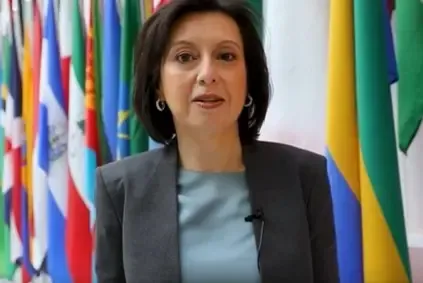
Julie Kozack , IMF Communications Director, confirmed the visit and said findings will be shared after the mission concludes on 30 June .
The team is also reviewing Sri Lanka's IMF-backed reform programme , in place since 2023 following the country's worst economic crisis in decades.
Sri Lanka remains heavily reliant on imported petroleum, making it especially vulnerable to global oil price shocks.
The International Monetary Fund (IMF) has deployed a staff team to Sri Lanka this week to evaluate the country's ongoing economic recovery programme, with a particular focus on the impact of surging energy prices triggered by the Middle East conflict. The mission, which runs from 24 June to 30 June, is the latest signal that global geopolitical turbulence is complicating Colombo's fragile fiscal rebound.
Mission Scope and Timeline
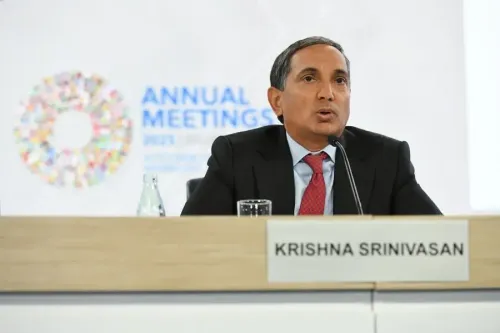
Julie Kozack, Director of the IMF's Communications Department, confirmed the visit at a regular IMF press briefing on Thursday, 25 June. 'We do indeed have a team currently in Sri Lanka. This is a staff visit that will take place from June 24 through 30,' she said.
The team is engaged in discussions with Sri Lankan government authorities as well as a broad range of stakeholders. Kozack described the mandate as wide-ranging: 'The team is engaging with the authorities on a broad range of stakeholders to take stock of recent economic developments, including obviously the impact of the war in the Middle East and the energy price shock.'
Energy Price Shock Under Scrutiny
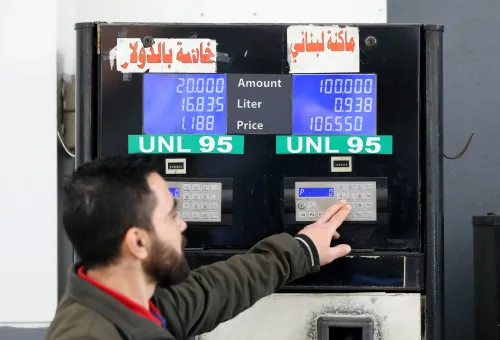
Sri Lanka remains heavily dependent on imported petroleum products, making it acutely exposed to any spike in global oil prices. The ongoing Middle East conflict has pushed energy import costs higher across several emerging economies, but countries with limited fiscal buffers — like Sri Lanka — face disproportionate strain. Kozack noted at the same briefing that higher oil prices had affected many economies, with the most vulnerable being those lacking adequate reserves to absorb external shocks.
The energy price surge arrives at a particularly sensitive moment. Sri Lanka is still rebuilding foreign exchange reserves following its 2022 sovereign debt default — the worst economic crisis the island nation had faced in decades — which triggered severe shortages of fuel, food, and hard currency.
Reform Programme Performance Also Under Review
Beyond the energy shock, the IMF mission will also examine Sri Lanka's performance under its IMF-supported reform programme, which has been in place since 2023. The programme is designed to restore macroeconomic stability, rebuild foreign exchange reserves, and advance structural reforms across key sectors of the economy.
When asked whether the IMF would consider additional financial support to help offset higher fuel import costs, Kozack declined to pre-empt the mission's findings. 'The team plans to communicate its findings at the end of the mission, so I think at that point that's where you'll get the full picture on how the team has assessed the impact of the energy shock,' she said.
Broader IMF Concerns on Energy Vulnerability
The Sri Lanka review is part of a wider IMF effort to monitor the economic spillovers of the Middle East conflict, particularly for import-dependent developing economies. Countries without adequate fiscal cushions are considered especially vulnerable to sustained oil price shocks, according to the IMF's own assessments shared at the briefing.
The mission's findings, expected after 30 June, will likely shape the next steps in Sri Lanka's engagement with the Fund — including whether any programme adjustments or additional support mechanisms are warranted in light of the latest external pressures.
Point of View
And any sustained oil price spike could undo months of hard-won stabilisation. What this mission will not answer publicly, at least not yet, is whether the current programme's targets remain realistic under the new energy cost baseline. That gap between what the IMF says at the end of the visit and what it privately tells the government will be the real story to watch.
NationPress
24 Sept 2026
Frequently Asked Questions
Why is the IMF sending a team to Sri Lanka in June 2025?
The IMF has deployed a staff team to Sri Lanka from 24 to 30 June to assess the economic impact of rising energy prices caused by the Middle East conflict and to review the country's progress under its IMF-supported reform programme. Sri Lanka's heavy dependence on imported petroleum makes it particularly exposed to global oil price shocks.
What will the IMF team examine during its Sri Lanka visit?
The team is assessing two main areas: the impact of the Middle East conflict's energy price shock on Sri Lanka's economy, and the country's performance under its ongoing IMF-backed reform programme introduced in 2023. Officials are meeting government authorities and a broad range of stakeholders.
Will the IMF provide additional financial support to Sri Lanka?
The IMF has not confirmed any additional support. IMF Communications Director Julie Kozack said the team would share its findings after the mission concludes on 30 June, at which point the full assessment of the energy shock's impact would be available.
What is Sri Lanka's IMF reform programme?
Sri Lanka has been implementing an IMF-supported economic reform programme since 2023, following its worst economic crisis in decades that resulted in a sovereign debt default and severe shortages of fuel, food, and foreign exchange. The programme aims to restore macroeconomic stability, rebuild foreign exchange reserves, and advance structural reforms.
How does the Middle East conflict affect Sri Lanka's economy?
Sri Lanka depends heavily on imported petroleum products, so higher global oil prices directly raise inflation, strain fiscal management, and pressure the country's external financing. The ongoing Middle East conflict has driven energy costs higher, creating fresh headwinds for a country still in economic recovery.