Will the IMF Assess Economic Impact in Sri Lanka Following Cyclone Ditwah?
Synopsis
The IMF is sending a mission to Sri Lanka to evaluate the economic repercussions of Cyclone Ditwah. Scheduled from January 22-28, this initiative aims to grasp the cyclone's damage extent and its implications for the nation's Extended Fund Facility program. Discover the significance of this mission for Sri Lanka's recovery and macroeconomic stability.
Key Takeaways
The IMF will conduct a mission to evaluate damage from Cyclone Ditwah.
Scheduled from January 22 to 28, the mission focuses on understanding the extent of the cyclone's impact.
Emergency financing of about U.S. $206 million has been approved for Sri Lanka.
The mission will discuss implications for the Extended Fund Facility program.
Fiscal sustainability in the utility sector is essential for economic recovery.
Washington, Jan 16 (NationPress) The International Monetary Fund (IMF) has announced that a fact-finding mission will travel to Sri Lanka from January 22 to 28 to evaluate the devastation caused by Cyclone Ditwah and deliberate on the consequences for the nation’s ongoing Extended Fund Facility (EFF) program.
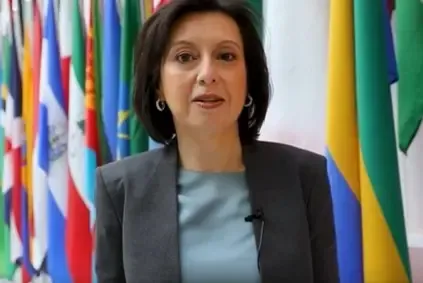
Julie Kozack, the Director of the IMF’s Communications Department, stated during an IMF press briefing, “A fact-finding mission will visit Sri Lanka from January 22nd to 28th.”
She further explained, “The purpose of the mission is to solidify our understanding of the extent and scale of the damage inflicted by the cyclone.”
Kozack noted that the IMF team would “engage with the authorities regarding their policy intentions and the ramifications of the cyclone’s impact on the EFF program.”
She highlighted the trip’s limited scope, saying, “I want to emphasize that this is a fact-finding mission aimed at enhancing our understanding of the on-ground situation and how we can effectively assist Sri Lanka moving forward.”
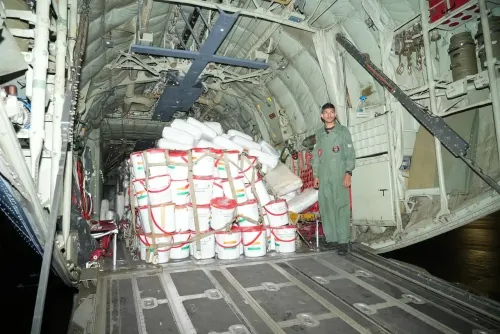
On December 19, the IMF Executive Board sanctioned emergency financing for Sri Lanka under the Rapid Financing Instrument (RFI), which provided the country with immediate access to approximately U.S. $206 million. Kozack explained that the RFI is targeted at aiding Sri Lanka in addressing urgent needs arising from the devastating Cyclone Ditwah, as the nation strives to uphold macroeconomic stability.
When asked if the cyclone could alter program objectives, including electricity pricing, Kozack replied, “There is a commitment under the program to ensure cost recovery in the utility sector.”
She elaborated on the significance of this goal, stating, “This is vital for maintaining fiscal sustainability in Sri Lanka, preventing financial losses for the utility company.”
Kozack affirmed that specifics would be addressed by the visiting team. “Our fact-finding team will certainly discuss with the authorities what is precisely needed to support Sri Lanka as it moves forward,” she said.
She concluded, “Our aim is to assist Sri Lanka in recovering from this catastrophic hurricane and provide support in alignment with our mandate to help maintain macroeconomic stability.”
Sri Lanka has been navigating an IMF-supported reform program following a severe balance-of-payments and debt crisis, which led the country to default earlier in the decade. Natural disasters like Cyclone Ditwah can complicate recovery efforts by exacerbating fiscal pressures and escalating immediate spending requirements.
Point of View
I emphasize that the IMF's forthcoming mission represents a vital step in addressing the economic challenges faced by Sri Lanka post-Cyclone Ditwah. The nation is in a delicate phase of recovery, and understanding the cyclone's impact is crucial in ensuring effective support and sustainability. The situation demands careful attention to maintain stability and foster recovery.
NationPress
19 Sept 2026
Frequently Asked Questions
What is the purpose of the IMF's mission to Sri Lanka?
The IMF's mission aims to assess the damage from Cyclone Ditwah and discuss its implications for the country's Extended Fund Facility program.
When will the IMF mission take place?
The fact-finding mission is scheduled from January 22 to 28.
How much emergency financing has the IMF provided to Sri Lanka?
The IMF has approved approximately U.S. $206 million in emergency financing under the Rapid Financing Instrument.
What challenges does Sri Lanka face after Cyclone Ditwah?
Natural disasters like Cyclone Ditwah can complicate recovery by increasing fiscal pressures and immediate spending needs.
Why is fiscal sustainability important for Sri Lanka?
Maintaining fiscal sustainability helps ensure that utility companies do not incur financial losses, which is crucial for the economy.