IMF and World Bank Convene to Address Global Economic Turmoil Amid Middle East Crisis
Synopsis
Global finance ministers and central bankers are set to gather in Washington, DC from April 13-18 for the IMF and World Bank spring meetings. The focus will be on addressing the economic fallout from the Middle East conflict and its implications for global growth.
Key Takeaways
IMF and World Bank meetings to address global economic challenges.
Expected downward revisions in economic forecasts due to Middle East conflict.
Global oil supply has decreased by 13% .
Daily LNG flow reduced by 20% , affecting prices.
Gathering of 191 member nations to deliberate on financial stability.
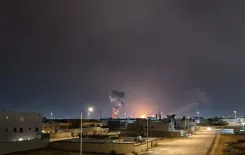
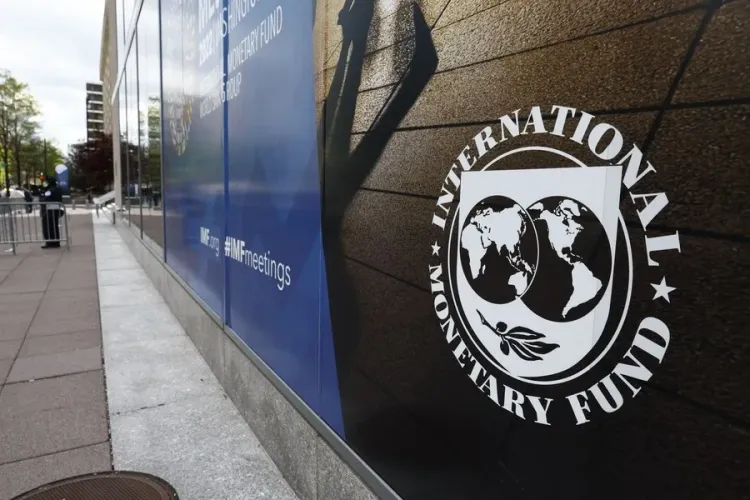
New Delhi, April 12 (NationPress) Finance ministers and central bankers from 191 member nations will gather for the International Monetary Fund (IMF) and World Bank’s spring meetings, scheduled from April 13-18 in Washington, DC. This meeting aims to assess the global economic challenges, especially in light of the tenuous ceasefire between the US and Iran and the unpredictability surrounding ongoing peace negotiations.
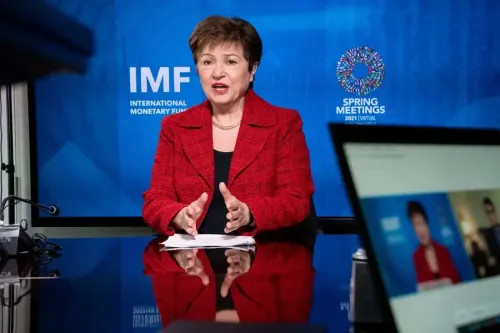
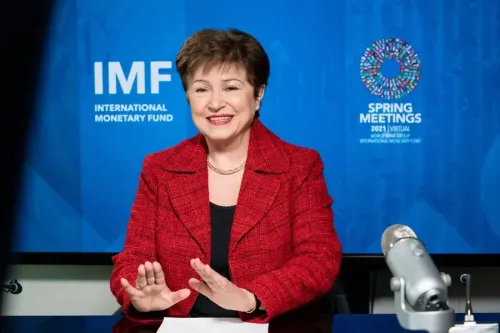
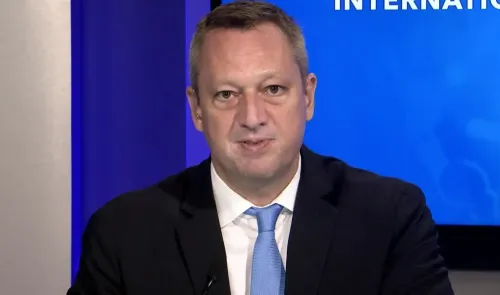
IMF Managing Director Kristalina Georgieva has cautioned that the upcoming economic projections, set to be released on Tuesday, alongside a report on global financial stability, may see downward revisions due to the economic disruptions stemming from the Middle East conflict.
Earlier in January, global output was projected to grow by 3.3 percent this year, with the US economy expected to expand by 2.1 percent, the euro zone by 1.4 percent, and emerging Asia by 5.4 percent. These figures are anticipated to be revised lower in light of new data.
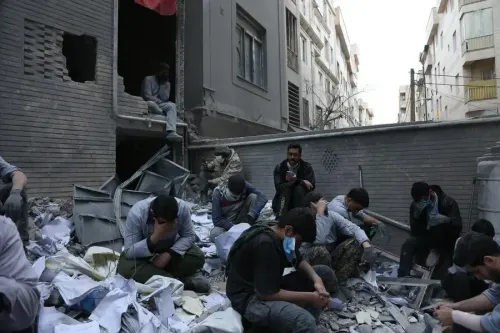
Georgieva emphasized that the robust global economy is once again being challenged by the turmoil in the Middle East, which has inflicted significant hardships worldwide.
“As we prepare to welcome ministers and central bank governors for our Spring Meetings next week, our primary objective will be to strategize on how to navigate this latest shock and alleviate the burden on economies and individuals. This will require a thorough understanding of the nature of the shock, its economic channels, the magnitude of its impact, and the policies that can help mitigate it,” she stated.
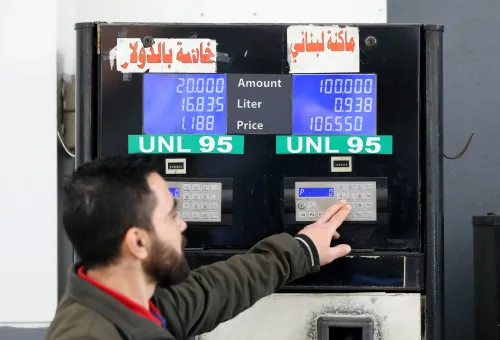
The global oil supply has been reduced by approximately 13 percent, while liquid natural gas (LNG) supplies have decreased by around 20 percent, leading to skyrocketing prices and disruptions in supply chains across the globe.
The annual and spring gatherings of the IMF and World Bank Group unite central bankers, finance and development ministers, private sector leaders, civil society representatives, and academics to deliberate on the state of the global economy and pressing international issues such as growth prospects, financial stability, and poverty alleviation.
The Board of Governors includes a high-ranking representative from each of the 191 member countries, typically the finance minister, central bank governor, or development minister. During the Meetings, these Governors engage in a plenary session to address the obstacles facing the global economy. They also make decisions on significant policy issues that will shape the future operations of both organizations, which are subsequently executed by their respective Executive Boards.
Moreover, the IMF's International Monetary and Financial Committee (IMFC) and the joint IMF-World Bank Development Committee (DC) will convene to review progress concerning the initiatives of both institutions.
Point of View
It's essential to recognize the gravity of the situation. The upcoming IMF and World Bank meetings will be pivotal in shaping responses to pressing global economic issues exacerbated by geopolitical conflicts. A focused approach is needed to navigate these challenges effectively.
NationPress
20 Sept 2026
Frequently Asked Questions
What is the purpose of the IMF and World Bank spring meetings?
The spring meetings aim to assess global economic uncertainties and discuss policy responses to mitigate impacts from various geopolitical and economic challenges.
When and where are the IMF and World Bank meetings taking place?
The meetings are scheduled for April 13-18 in Washington, DC.
What are the expected economic forecasts for 2023?
The IMF is likely to downgrade its previous forecasts, which estimated a global output growth of 3.3%.
Who will attend the IMF and World Bank meetings?
Finance ministers, central bankers, private sector leaders, and representatives from civil society and academia will participate.
How has the Middle East conflict impacted the global economy?
The conflict has led to significant disruptions in oil and LNG supplies, causing price surges and affecting supply chains worldwide.