Has Aggression Against Afghanistan Compromised Pakistan's Security and Future?

Synopsis
Recent analysis reveals the consequences of Pakistan's aggressive actions towards Afghanistan. This bold move, allegedly backed by US coordination, raises questions about regional stability and the impact on Pakistan's own future. How does this complex relationship affect security in South Asia? Read on to uncover the dynamics at play.
Key Takeaways
Pakistan's aggression has widespread consequences.
US coordination is suspected in these actions.
The Durand Line remains a contentious issue.
Diplomacy is essential for stability and peace.
Historical patterns show aggression leads to instability.
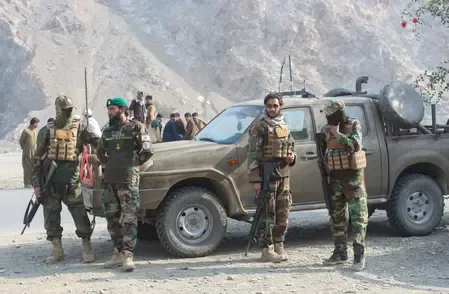
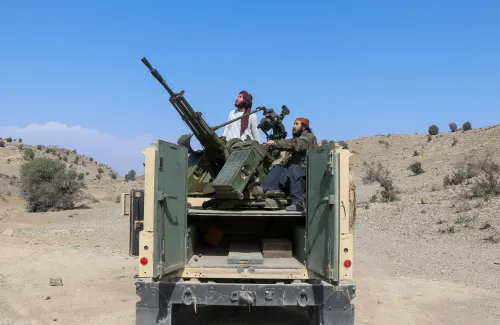
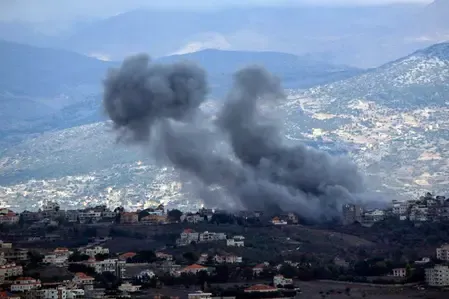
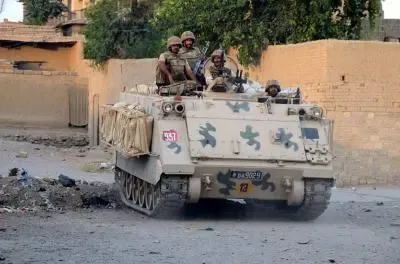
Kabul, Oct 21 (NationPress) A recent report underscores that Pakistan's aggression across the border has detrimental effects not just on Afghanistan but also on its own security and future. Regional analysts suggest that such bold actions could not occur without the implicit approval or intelligence collaboration from the United States (US).
The simultaneous threats from the US alongside Pakistani airstrikes in regions previously under US military control have heightened suspicions of coordination among the Afghan populace. The Afghan Voice Agency (AVA) notes that Pakistan and the US have been entwined in a complex political dynamic throughout modern history.
From supporting the Mujahideen during the Cold War to its role post-2001, the US has consistently utilized Pakistan as a tool for its interests in South Asia. This same strategy now aims to exert indirect pressure on the Taliban through threats and border hostilities, intending to enforce the US’s security and intelligence preferences.
The recent remarks made by US President Donald Trump, warning that 'if the Taliban do not surrender the Bagram base, consequences will follow,' have set the stage for these attacks, the report indicates.
The longstanding conflict between Afghanistan and Pakistan stems from a fraught history. The Durand Line, established in 1893, has been a persistent source of contention and mistrust between the two nations, the AVA elaborates.
Afghanistan's refusal to recognize the Durand Line provides Pakistan with a justification for its interventions and aggressive maneuvers in Afghan affairs.
The report states: 'From overt support for various factions to the detrimental role of the military intelligence agency (ISI) in destabilizing legitimate governments and fostering parallel institutions, these actions have formed part of a broader strategy of regional destabilization.'
'Through this aggression, Pakistan jeopardizes not only Afghanistan but also its own stability and future. Every attack on Afghan territory plants the seeds of instability in Pakistan. Historical precedents show that no nation has attained peace and prosperity through aggression against its neighbors.'
'Moreover, Afghanistan must recognize that animosity and obstinacy cannot substitute for diplomacy and politics. True stability and sovereignty are achieved through wisdom and pragmatic dialogue. The path forward lies in reason, diplomacy, and regional unity; not in capitulation, but in realism; not in hostility, but in constructive dialogue; and not in division, but in the solidarity of nations against the perilous strategies of global powers,' concludes the Afghan Voice Agency report.
Point of View
I believe it is crucial for nations to engage in constructive dialogue and diplomacy. Pakistan's actions against Afghanistan, while strategically justified, may ultimately undermine its own stability. The past teaches us that aggression begets instability, and true progress lies in unity and collaboration among neighboring countries.
NationPress
30 Sept 2026
Frequently Asked Questions
What is the Durand Line?
The Durand Line is a border demarcation established in 1893 between Afghanistan and British India, which continues to be a point of contention between Afghanistan and Pakistan.
How has the US influenced Pakistan's actions in Afghanistan?
The US has historically used Pakistan as a strategic ally in South Asia, often leveraging its influence to apply pressure on entities like the Taliban through military and political means.
What are the implications of Pakistan's aggression towards Afghanistan?
Pakistan's aggressive stance risks destabilizing not only Afghanistan but also its own national security, as historical evidence suggests that conflicts with neighbors lead to internal instability.
What role does diplomacy play in resolving regional conflicts?
Diplomacy is essential for achieving stability and peace, as it fosters dialogue and understanding, reducing the likelihood of conflict and hostility among nations.
Why is regional unity important for South Asia?
Regional unity is vital for addressing common challenges and threats, promoting collective security, and ensuring economic development and cooperation among South Asian nations.