INDIA bloc chapter closed, SP-Cong a burden: BJP UP chief
Synopsis
BJP's Uttar Pradesh chief Pankaj Chaudhary has written off the INDIA bloc, branding SP and Congress a burden as their 2027 seat talks fracture in public. Congress wanted around 130 of 403 seats after first seeking 170-180; the SP has offered 26 and issued a five-candidate list without consulting its ally.
Key Takeaways
Pankaj Chaudhary , BJP Uttar Pradesh chief, said on 25 November that the INDIA bloc chapter was closed and called SP-Congress a burden on the people.
He posted the remarks on social media platform X in Hindi, alleging the opposition was focused on ‘looting’, ‘division’, handouts and family, not development.
The Congress had sought 170-180 of 403 Assembly seats, later reportedly around 130 ; the SP has offered 26 ‘winnable’ seats.
The Akhilesh Yadav -led SP issued a first list of five candidates without consulting the Congress, which termed the move unilateral.
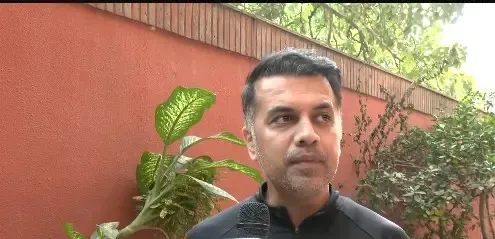
BJP UP Vice-President Pankaj Singh said the BJP would secure a huge victory in the 2027 elections and was unconcerned about an SP-Congress alliance.
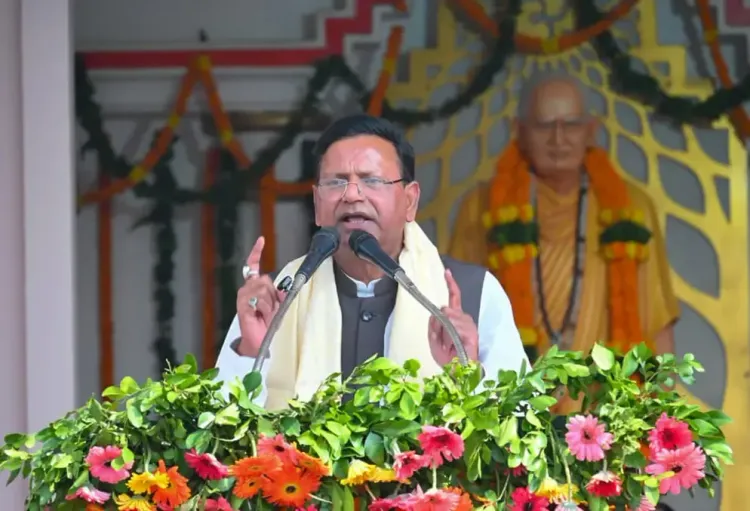
Uttar Pradesh Bharatiya Janata Party (BJP) president Pankaj Chaudhary on Wednesday declared that the INDIA bloc chapter was closed, branding the Samajwadi Party (SP) and the Indian National Congress (Congress) a burden on the people as seat-sharing talks between the two opposition parties unravelled ahead of the 2027 Uttar Pradesh Assembly elections. In a post on social media platform X, written in Hindi, Chaudhary said: “The INDIA bloc's chapter is closed. SP-Congress is a burden on the people.”
The remarks, issued from New Delhi on 25 November, come as differences over constituencies in the 403-member Assembly have spilled into the open, handing the ruling BJP a political opening well before voters go to the polls.
What the BJP UP chief said
Launching a sharp attack on the opposition, Chaudhary alleged that the two parties were discussing ‘looting’ rather than the development of the state, and ‘division’ rather than public welfare. He said their conversations were not about dignified positions but about handouts, not about forming a government but only about the family, and not about winning electoral equations but about personal interests.
“The talk is not about dignified positions, but about handouts. It is not about forming a government, but only about the family. The discussion is not about winning electoral equations, but about personal interests,” he said.
Chaudhary further alleged that the two parties were more interested in political settlements than adjustments and accommodation, and that their alliance was marked by internal conflicts rather than cooperation. He accused them of ignoring the concerns of farmers, workers, youth, the middle class, women, businesspeople and government employees, saying their focus was limited to offering electoral promises.
“What will they do later, when this is how they are behaving now?” he asked.
Seat-sharing standoff in Uttar Pradesh
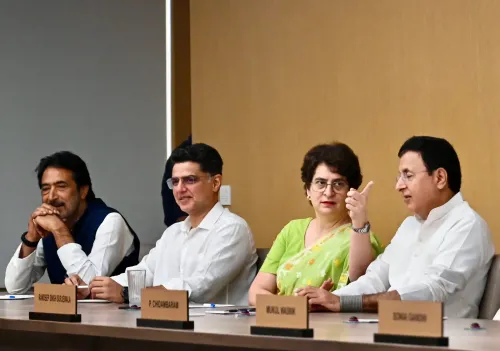
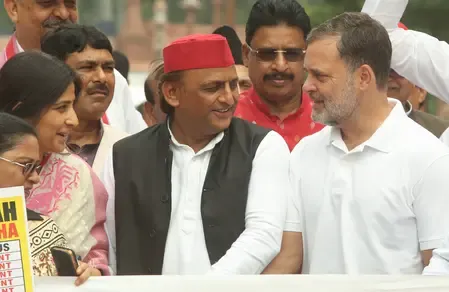
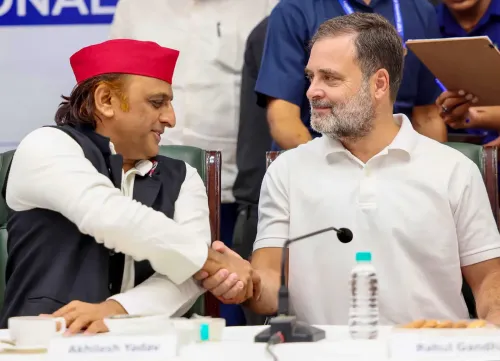
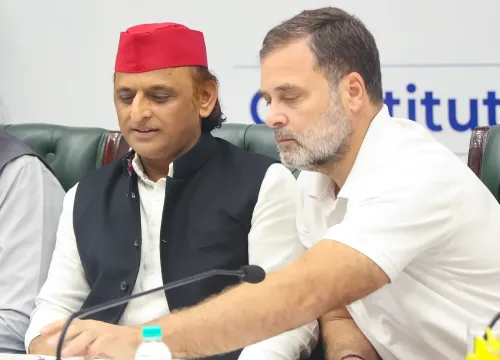
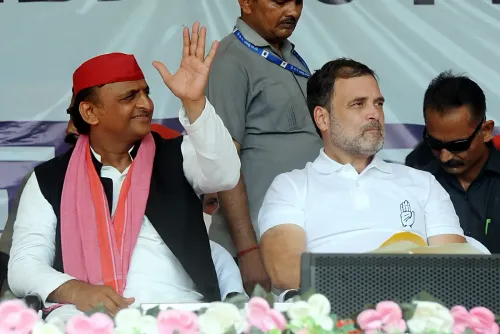
Differences between the SP and the Congress over seat-sharing have come out into the open. The Congress, already dissatisfied with the SP's offer of 26 ‘winnable’ constituencies, was further angered after the Akhilesh Yadav-led party announced its first list of five candidates without consulting its prospective ally. The Congress termed the move unilateral, adding to tensions in the ongoing negotiations.
While the Congress had initially sought 170-180 seats in the 403-member Assembly, it has reportedly reduced its demand to around 130. The SP, however, has offered 26 seats, triggering fresh disagreements. Notably, the gap between a demand of about 130 constituencies and an offer of 26 underlines how far the two parties remain from a workable formula, even as the BJP frames the dispute as proof that the INDIA experiment has run its course in India's most populous state.
This comes amid a broader strain in opposition coordination, with the Congress arguing that a unilateral candidate list undercuts the spirit of any prospective alliance. The SP, as the larger regional force in Uttar Pradesh, has historically driven opposition arithmetic in the state; the current standoff suggests that arithmetic is again colliding with the Congress's claim to a larger share of the 403 seats.
BJP's 2027 pitch and Pankaj Singh's remarks
BJP Uttar Pradesh Vice-President Pankaj Singh separately expressed confidence in the party's prospects in the 2027 Assembly elections, asserting that the BJP would secure a massive victory. He said the party was not concerned with whether the SP and the Congress formed an alliance.
“Leaders of the Samajwadi Party and Congress can explain this better. I can only say that the BJP will achieve a huge victory in the 2027 elections. We are not concerned with what the SP and Congress are doing or whether they form an alliance,” he said.
Singh added that the BJP's focus remained on Uttar Pradesh's development and on ensuring that government policies and welfare schemes reached every person in the state. He said the BJP wanted society to progress together and remain united, alleging that the SP and the Congress had consistently divided people along caste and religious lines for political gains.
Why the remarks matter
Uttar Pradesh's 403-member Assembly is the largest state legislature in India, and the 2027 contest will shape national opposition strategy well before the next Lok Sabha cycle. By declaring the INDIA bloc's chapter closed while talks between the SP and the Congress are still nominally underway, Chaudhary is attempting to freeze a narrative of opposition disarray. The Congress's climbdown from 170-180 seats to around 130, and the SP's 26-seat offer, give that narrative concrete numbers.
What happens next will depend on whether the two opposition parties reopen consultations after the five-candidate list, or whether the unilateral announcement hardens into a lasting split. For voters — farmers, workers, youth, the middle class, women, businesspeople and government employees, the groups Chaudhary said were being ignored — the immediate political signal is that opposition seat talks are about allocation, not a joint programme. The BJP, for its part, has made clear it intends to campaign on development and welfare delivery while painting the SP-Congress pairing as family-centric and internally conflicted. The coming weeks of candidate announcements will show whether that charge sticks or whether the opposition still finds a formula for 2027.
Point of View
However, do the real work — a Congress demand that has already slid from 170-180 seats to around 130, against an SP offer of 26, is not a negotiation; it is a mismatch of scale. What mainstream coverage can miss is that this is less about ideology than about who owns Uttar Pradesh's opposition space. If the five-candidate list without consultation stands, the BJP does not need to break the alliance; the arithmetic will do it.
NationPress
25 Nov 2026
Frequently Asked Questions
What did BJP UP chief Pankaj Chaudhary say about the INDIA bloc?
He declared that the INDIA bloc's chapter is closed and described the SP-Congress pairing as a burden on the people. The remarks were posted in Hindi on social media platform X on 25 November, amid a public seat-sharing dispute ahead of the 2027 Uttar Pradesh Assembly elections.
Why are the SP and Congress at odds in Uttar Pradesh?
The two parties are in an escalating dispute over seat-sharing for the 2027 Uttar Pradesh Assembly elections. The Congress is dissatisfied with the SP's offer of 26 ‘winnable’ seats and was further angered after the Akhilesh Yadav-led party announced a first list of five candidates without consultation.
How many seats has the SP offered the Congress for 2027?
The Samajwadi Party has offered the Congress 26 seats in the 403-member Uttar Pradesh Assembly. The Congress had initially sought 170-180 seats and has reportedly reduced that demand to around 130.
What did Pankaj Singh say about the 2027 UP elections?
BJP Uttar Pradesh Vice-President Pankaj Singh said the BJP would achieve a huge victory in the 2027 elections and was not concerned with whether the SP and Congress formed an alliance. He said the party's focus remained on development and delivering welfare schemes across the state.
When are the Uttar Pradesh Assembly elections due?
The Uttar Pradesh Assembly elections are due in 2027 for the 403-member House. The current SP-Congress friction is unfolding well before polling, with candidate lists and seat numbers already in public dispute.