Middle East conflict disrupts India-Gulf flights until October 24
Synopsis
India's top airlines — Air India, IndiGo, and Akasa Air — have simultaneously suspended Saudi Arabia routes until October 24 as Houthi missile and drone attacks escalate the Middle East crisis. With EASA's Gulf airspace warning now running until November 16, the disruptions could stretch well beyond the current suspension window, leaving thousands of India-Gulf travellers in limbo.
Key Takeaways
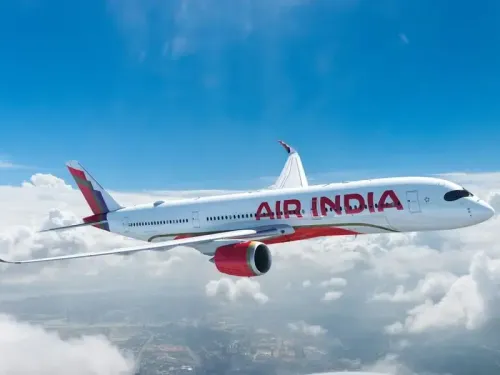
Air India and Air India Express have suspended flights to Riyadh , Jeddah , and Dammam until 24 October 2026 .
IndiGo has cancelled flights to Riyadh , Jeddah , Dammam , and Madinah until 24 October 2026 .
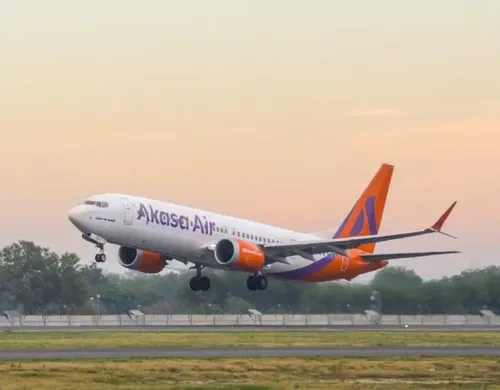
Akasa Air has suspended Riyadh services until 24 October and Jeddah until 21 October 2026 .
EASA has extended its Gulf airspace warning — covering UAE , Bahrain , Kuwait , Oman , and Qatar — until at least 16 November 2026 .
The trigger is escalating Houthi missile and drone attacks as part of the broader Middle East conflict .
Passengers are advised to check airline advisories for refund and rebooking arrangements before heading to the airport.
Airline operations to the Gulf region remain severely disrupted on 20 October 2026 as escalating Middle East conflict, driven by Houthi missile and drone attacks, forces Indian and international carriers to suspend or reroute services. For Indian travellers flying to the Gulf and onward to Western destinations, the cancellations create a cascading disruption with no clear end in sight.
EASA Advisory and the Airspace Risk
The European Union Aviation Safety Agency (EASA) has extended its advisory warning airlines against flying over parts of the Gulf — including airspace around the United Arab Emirates (UAE), Bahrain, Kuwait, Oman, and Qatar — until at least 16 November 2026. The warning covers both EU carriers and non-EU airlines authorised to operate to, from, or within the European Union.
EASA stated that 'the possible use of missiles, drones, combat aircraft and air-defence systems creates a high risk to civil flights at all altitudes and flight levels within the concerned airspace.' Consequently, several international carriers have either halted routes entirely or modified flight paths to avoid Iranian, Iraqi, Israeli, and Gulf airspace altogether.
Indian Carriers Hit: Air India, IndiGo, Akasa Air
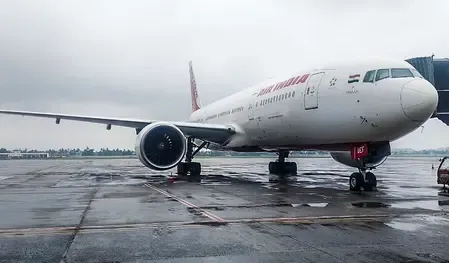
Air India and Air India Express, both part of the Tata Group, have suspended flights to and from Riyadh, Jeddah, and Dammam until 24 October 2026. The Tata Group carriers have stated they are closely monitoring the situation before deciding on resumption.
Low-cost carrier IndiGo has also cancelled flights to and from Riyadh, Jeddah, Dammam, and Madinah until 24 October 2026. Akasa Air has suspended services to Riyadh until 24 October and to Jeddah until 21 October 2026. Passengers with affected bookings have been advised to check the latest cancellation notices and available alternatives.
Impact on Indian Travellers
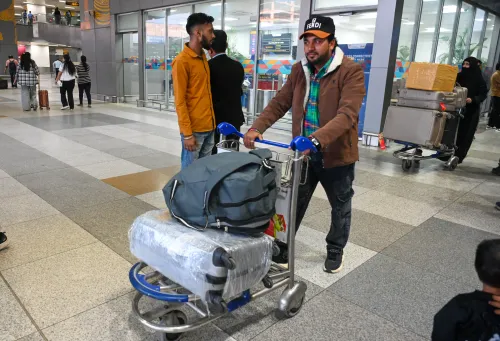
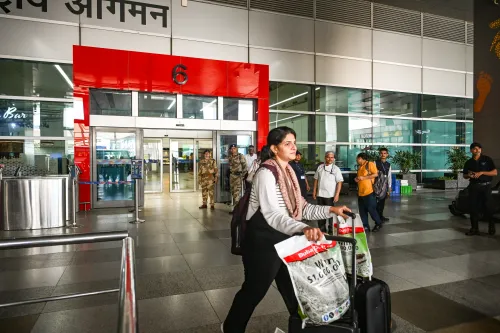
The disruptions affect both outbound and return journeys for passengers travelling to Saudi Arabia and other Gulf nations. Travellers have been urged to verify their flight status before leaving for the airport. Airlines have directed affected passengers to check their respective websites and advisories for refund and rebooking arrangements.
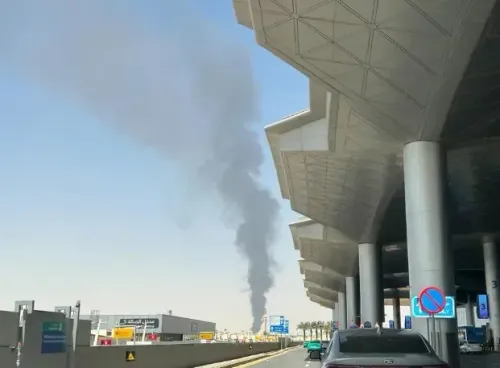
This comes despite the resumption of operations at Riyadh's King Khalid International Airport late last week, indicating that ground-level restarts have not translated into normalised air connectivity. Notably, the situation represents one of the most significant disruptions to India-Gulf air travel in recent years, with multiple carriers simultaneously halting Saudi routes.
What Travellers Should Do Now
Passengers with bookings to Saudi Arabia, the UAE, and other Gulf destinations are advised to contact their airlines directly and monitor official advisories. With the EASA warning in place until 16 November, further extensions or cancellations remain possible if the conflict continues to escalate. Airlines have signalled they will reassess the situation before deciding on any resumption beyond the current suspension window.
Point of View
IndiGo, and Akasa Air underscores how quickly geopolitical instability translates into civilian disruption at scale — India's Gulf corridor is among the world's busiest labour and remittance migration routes. The EASA advisory, running to mid-November, gives airlines legal and insurance cover to keep routes dark well beyond October 24 without commercial penalty; the real question is whether the conflict stabilises enough for a phased restart. What mainstream coverage misses is the downstream impact on Indian migrant workers — many on fixed-term contracts — who face not just travel delays but potential job and visa complications. The Centre has so far not announced any emergency evacuation or facilitation flights, which may become necessary if the security situation worsens.
NationPress
20 Oct 2026
Frequently Asked Questions
Which Indian airlines have suspended Gulf flights due to the Middle East conflict?
Air India, Air India Express, IndiGo, and Akasa Air have all suspended select Gulf routes. Air India and IndiGo have cancelled flights to Riyadh, Jeddah, and Dammam until 24 October 2026, while Akasa Air has suspended Riyadh until 24 October and Jeddah until 21 October 2026.
Why are India-Gulf flights being cancelled?
The cancellations are a direct response to escalating Houthi missile and drone attacks as part of the broader Middle East conflict, which has created significant safety risks in regional airspace. The EASA has formally warned airlines against flying over Gulf airspace citing dangers from missiles, drones, and air-defence systems.
What is the EASA airspace advisory and how long does it last?
The European Union Aviation Safety Agency has extended its advisory warning carriers — both EU and non-EU airlines operating to or from Europe — against flying over parts of the Gulf, including airspace around the UAE, Bahrain, Kuwait, Oman, and Qatar, until at least 16 November 2026.
What should affected passengers do if their flight is cancelled?
Passengers are advised to check their airline's official website and latest advisories for refund and rebooking options. Travellers to Saudi Arabia should verify their flight status before leaving for the airport, as suspensions may affect both outbound and return journeys.
Has Riyadh's King Khalid International Airport reopened?
Riyadh's King Khalid International Airport did resume operations late last week, but Indian carriers have nonetheless maintained their suspension of services given the broader airspace security concerns and the EASA advisory still in effect.