Will India Enhance Its Soft Power at the UNESCO Heritage Meet?
Synopsis
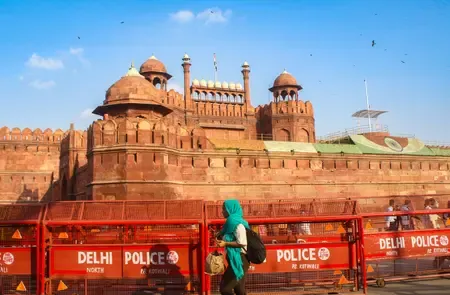
New Delhi is set to host the 20th session of the UNESCO Intangible Cultural Heritage Committee at the historic Red Fort. This six-day event will spotlight India's cultural heritage, aiming to enhance global visibility and promote cultural diplomacy. Discover how this meeting could shape the future of India's living traditions and cultural tourism.
Key Takeaways
India is hosting the 20th session of UNESCO's ICH Committee at Red Fort.
The event promotes India's intangible cultural heritage.
It aims to enhance global visibility and attract international support.
The session encourages youth engagement in cultural heritage.
Cultural diplomacy will be a focus, showcasing India's diversity.
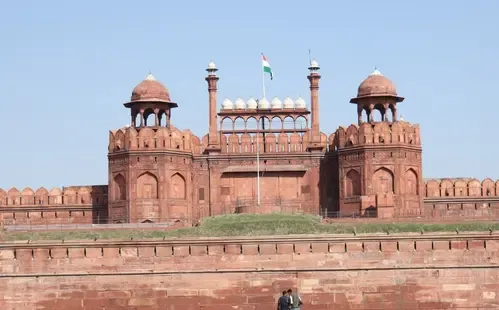
New Delhi, Dec 8 (NationPress) In a bid to showcase India's soft power, the Union Ministry of Culture (MoC) is set to host the six-day 20th session of the UNESCO Intergovernmental Committee for Safeguarding of the Intangible Cultural Heritage, commencing Monday at the iconic Red Fort.
As of now, 15 Indian cultural elements have been recognized on the UNESCO Representative List, and the nation has held a position on the UNESCO Intergovernmental Committee for three terms, according to a Ministry representative.
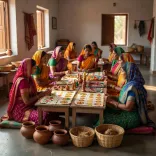
This 20th session, scheduled from December 8 to 13, aims to enhance global awareness of India's intangible cultural heritage, which encompasses lesser-known traditions, local crafts, and regional festivals. The goal is to attract international support, interest, research, tourism, and resource mobilization.
UNESCO adopted the 2003 Convention for the Safeguarding of Intangible Cultural Heritage on October 17, 2003, during its 32nd General Conference in Paris, as stated in the announcement.
This convention was a response to worldwide concerns regarding the threats faced by living cultural traditions, oral practices, performing arts, social customs, rituals, knowledge systems, and craftsmanship due to globalization, social changes, and limited resources.
With a collective global commitment to preserving humanity’s living heritage, the Convention established formal mechanisms for international cooperation, support, and recognition, thereby laying the groundwork for UNESCO’s Intangible Cultural Heritage lists and the ongoing efforts of the Intergovernmental Committee.
The Committee for Safeguarding Intangible Cultural Heritage works towards the goals of the 2003 Convention and ensures its effective application across Member States.
To fulfill this mandate, the Committee promotes and oversees the objectives of the 2003 Convention; offers guidance on best practices, recommends safeguarding measures, and prepares and submits draft plans for utilizing the Intangible Cultural Heritage Fund to the General Assembly.
Moreover, the Committee seeks to mobilize additional funds for the Heritage Fund in alignment with the Convention’s guidelines and drafts proposed operational directives for its implementation.
The six-day 20th session at Red Fort, organized by the Ministry alongside its autonomous body Sangeet Natak Akademi (SNA), will provide India with a global platform to stimulate further domestic initiatives such as documentation, inventorying, nomination dossiers, and community engagement, particularly among youth and future generations.
The Ministry of Culture also intends to leverage this event for cultural diplomacy, showcasing India’s soft power, cultural richness, diversity, and leadership in heritage on the global stage.
This event holds the potential to strengthen the connection between heritage conservation and sustainable development, recognizing intangible heritage as a vital resource for livelihoods, community identity, social cohesion, and cultural tourism, as highlighted in the statement.
Point of View
I believe this meeting represents a pivotal moment for India. By hosting such a prestigious gathering, the nation not only affirms its commitment to preserving its cultural heritage but also positions itself as a leader in cultural diplomacy. The focus on intangible heritage can foster a deeper understanding and appreciation of diverse traditions, ultimately enriching global culture.
NationPress
9 Oct 2026
Frequently Asked Questions
What is the purpose of the UNESCO Intangible Cultural Heritage Committee?
The committee aims to safeguard and promote intangible cultural heritage worldwide, ensuring the effective implementation of the 2003 Convention.
Where is the UNESCO meeting being held?
The meeting is being held at the historic Red Fort in New Delhi, India.
How many Indian elements are on UNESCO's Representative List?
Currently, 15 Indian cultural elements are inscribed on UNESCO's Representative List.
What are some examples of intangible cultural heritage?
Examples include living traditions, oral practices, performing arts, and social customs that are vital to community identities.
When did UNESCO adopt the 2003 Convention?
UNESCO adopted the 2003 Convention on October 17, 2003, during its 32nd General Conference in Paris.