Will India Showcase Its Soft Power at the UNESCO Panel Meeting?
Synopsis
As India prepares to host the 20th session of the UNESCO ICH Committee at the Red Fort, the nation aims to enhance its soft power and showcase its rich cultural heritage. This pivotal event will not only highlight lesser-known traditions and crafts but also strengthen ties between heritage conservation and sustainable development.
Key Takeaways
India aims to enhance its soft power through hosting the UNESCO ICH Committee.
15 Indian elements are currently on the UNESCO Representative list.
The session will focus on global awareness of intangible heritage.
Significant emphasis on sustainable development linked to cultural heritage.
Engagement with youth and future generations is a priority.
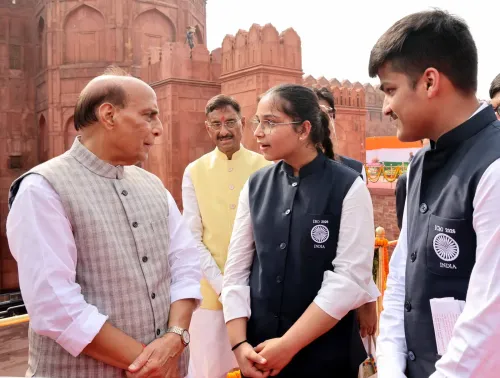
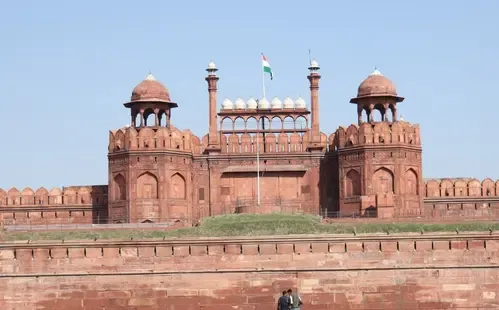
New Delhi, Dec 7 (NationPress) In an effort to enhance India’s soft power, the Union Ministry of Culture (MoC) is set to host the six-day 20th session of the UNESCO Intergovernmental Committee for the Safeguarding of Intangible Cultural Heritage starting Monday at the iconic Red Fort, an official announced.
Up to now, 15 elements from India have been included on the UNESCO Representative list, and the nation has participated in the UNESCO Intergovernmental Committee for three terms, according to a Ministry official's statement.
By organizing the 20th session of the ICH Committee from December 8 to 13, India seeks to elevate global awareness of its intangible or living heritage, which encompasses lesser-known traditions, local crafts, and regional festivals, thereby drawing international support, interest, research, tourism, and resource mobilization.
For the Safeguarding of Intangible Cultural Heritage, UNESCO adopted the 2003 Convention on October 17, 2003, during its 32nd General Conference in Paris, as stated.
The 2003 Convention was a response to global concerns that living cultural traditions, oral practices, performing arts, social customs, rituals, knowledge systems, and craftsmanship were increasingly under threat due to globalization, social change, and resource limitations.
With a collective commitment to safeguarding humanity’s living heritage, the Convention established formal mechanisms for international cooperation, support, and recognition, creating the groundwork for UNESCO’s Intangible Cultural Heritage lists and the ongoing efforts of the Intergovernmental Committee.
The Intergovernmental Committee for Safeguarding of the Intangible Cultural Heritage promotes the goals of the 2003 Convention and ensures their effective execution across Member States.
To fulfill this role, the Committee advocates and monitors the objectives and implementation of the 2003 Convention; offers guidance on best practices and recommends strategies for safeguarding intangible cultural heritage, and prepares and submits a draft plan for utilizing the Intangible Cultural Heritage Fund to the General Assembly.
The Committee also seeks additional resources for the Fund in line with the Convention’s provisions and drafts operational directives for the Convention's implementation.
The six-day 20th session at the Red Fort, organized by the Ministry in collaboration with its autonomous body Sangeet Natak Akademi (SNA), will enable India to leverage the global attention to inspire further domestic initiatives such as documentation, inventorying, nomination dossiers, and community engagement, particularly among youth and future generations.
The Ministry of Culture also plans to utilize this platform for cultural diplomacy, showcasing India’s soft-power, cultural richness, diversity, and leadership in heritage on an international stage.
This event is expected to bolster the connection between heritage conservation and sustainable development, recognizing intangible heritage as a resource for livelihood, community identity, social cohesion, and cultural tourism, as highlighted in the statement.
Point of View
This event represents a significant opportunity for India to assert itself as a leader in cultural heritage preservation. It aligns with the global trend of valuing cultural diversity and offers a platform for India to showcase its rich traditions. The focus on sustainable development through cultural heritage is particularly timely and relevant.
NationPress
28 Sept 2026
Frequently Asked Questions
What is the purpose of the UNESCO ICH Committee?
The UNESCO ICH Committee aims to safeguard the intangible cultural heritage of communities around the world, promoting awareness and ensuring effective implementation of the principles outlined in the 2003 Convention.
When is the 20th session of the UNESCO ICH Committee taking place?
The 20th session is scheduled to take place from December 8 to December 13, 2023.
Where will the session be held?
The session will be held at the historic Red Fort in New Delhi, India.
How many elements from India are on the UNESCO Representative list?
Currently, 15 elements from India have been inscribed on the UNESCO Representative list.
What are some benefits of safeguarding intangible cultural heritage?
Safeguarding intangible cultural heritage can enhance community identity, promote social cohesion, support livelihoods, and boost cultural tourism.