India-Indonesia launch Tagore-Dewantara Cultural Diplomacy Year 2026-27
Synopsis
A century after Rabindranath Tagore travelled through Java and Bali, India and Indonesia are marking the moment with a 15-month cultural and educational diplomacy year — named after two educators, Tagore and Ki Hadjar Dewantara, who independently built the same philosophy of freedom-based learning on opposite shores of the Indian Ocean. Endorsed at the prime ministerial level, this is one of the most substantive soft-power commitments between the two nations in recent memory.
Key Takeaways
India and Indonesia have launched the 'Tagore-Dewantara Year of Cultural and Educational Diplomacy' , running July 2026 to September 2027 .
The year marks 100 years since Rabindranath Tagore visited Java and Bali in 1927 .
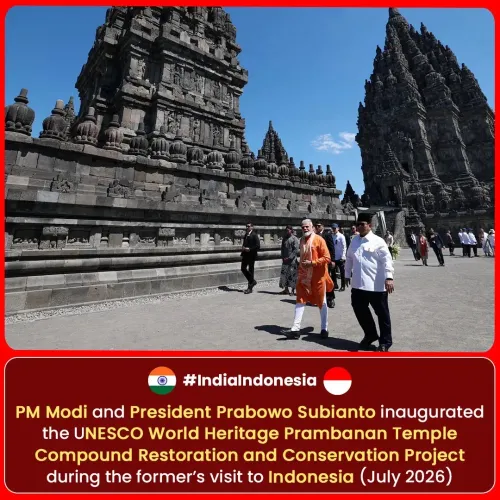
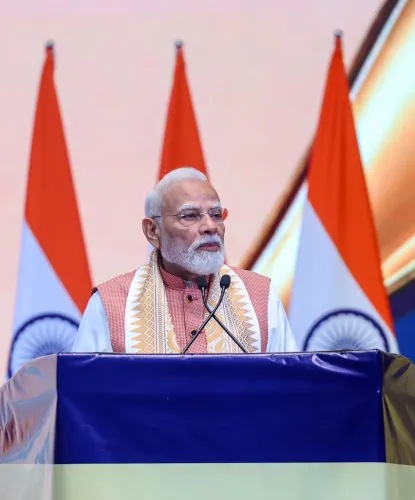
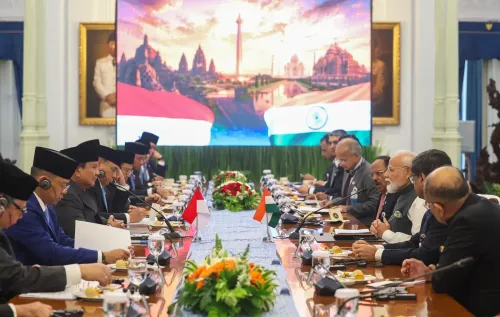
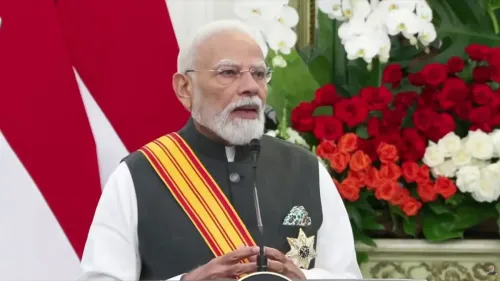
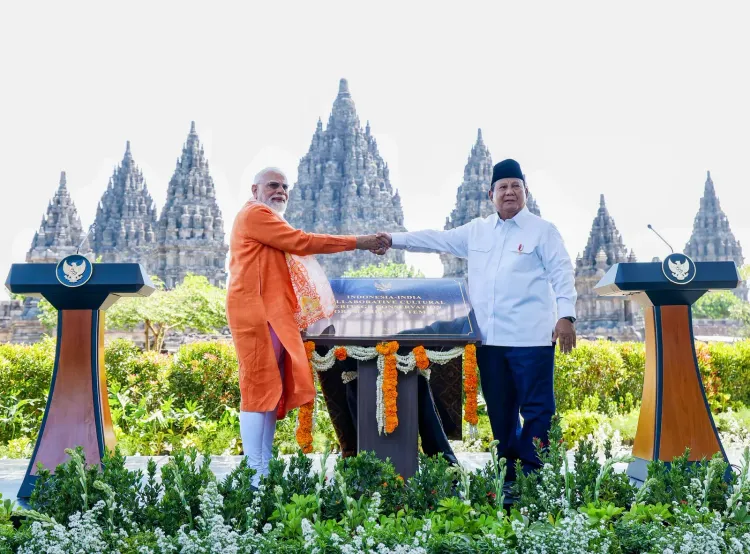
The initiative was endorsed during Prime Minister Narendra Modi's visit to Indonesia and announced by the Indian Embassy in Jakarta on 10 July 2026 .
Planned events include the Tagore Film Festival in Jakarta ( September 2026 ), Indian-Batik showcase at Indonesia Fashion Week ( August 2026 ), and a 'Sarong to Saree' textile exhibition ( January ).
Ki Hadjar Dewantara founded Taman Siswa in Yogyakarta in 1922 on educational principles parallel to Tagore's Shantiniketan (founded 1901 ).
India and Indonesia have launched the 'Tagore-Dewantara Year of Cultural and Educational Diplomacy', a 15-month bilateral celebration running from July 2026 to September 2027, marking a century since poet Rabindranath Tagore journeyed through Java and Bali. The Indian Embassy in Jakarta formally announced the commemoration on Friday, 10 July, following its endorsement during Prime Minister Narendra Modi's visit to Indonesia.
The Historical Roots
In 1927, Rabindranath Tagore — Asia's first Nobel laureate and the founder of Shantiniketan (established 1901) — travelled through Java and Bali, encountering a nation rediscovering its identity through art, learning, and self-belief. A century on, both nations have chosen to honour that encounter by naming the commemorative year after two educators who shared a common philosophy across two shores of the same ocean.
Ki Hadjar Dewantara, widely regarded as the father of Indonesian national education, founded Taman Siswa in Yogyakarta in 1922 on convictions strikingly parallel to Tagore's — prioritising guidance and creative freedom over the colonial model of command and punishment. The Embassy described both figures as 'two teachers who built the same dream on two shores of a uniting ocean.'
Key Events Planned
The cultural calendar is dense and cross-disciplinary. Indian motifs will be showcased alongside Indonesian Batik at Indonesia Fashion Week in August 2026. That same month, Tagore-Dewantara school quizzes and Sanskrit learning initiatives are set to commence. By September 2026, a dedicated Tagore Film Festival will be held in Jakarta. A 'Sarong to Saree' textile heritage exhibition is scheduled for January, weaving together the fabric traditions of both civilisations.
Beyond these flagship events, the Embassy has indicated that festivals, literature programmes, academic exchanges, and scholarship initiatives will unfold across the full 15-month period, spanning both countries.
What the Indian Embassy Said
Announcing the initiative on social media platform X, the Embassy wrote: 'India, Indonesia Celebrating 100 Years of a Shared Cultural Journey!' It added that naming the year after Tagore and Dewantara was intended to 'honour a deep civilizational dialogue of freedom, education, and art.' The Embassy also noted that the two leaders' educational philosophies — both rooted in nurturing creativity and rejecting colonial rigidity — make them natural emblems for this bilateral moment.
Diplomatic Significance
The initiative was jointly announced during Prime Minister Modi's visit to Indonesia, elevating it beyond an embassy-level cultural programme to a head-of-state endorsed diplomatic commitment. This comes amid growing India-Indonesia engagement across trade, defence, and maritime cooperation in the Indo-Pacific. Notably, framing the relationship through civilisational and educational links — rather than purely strategic or commercial ones — signals a deliberate soft-power investment by both governments. The year-long calendar offers sustained visibility across multiple sectors, from fashion and film to academia and scholarship exchanges.
Point of View
And the Tagore-Dewantara pairing is unusually well-suited: both men independently arrived at the same rejection of colonial pedagogy, which gives the narrative an authenticity that manufactured cultural diplomacy often lacks. The test, as with all 15-month calendars, is execution and follow-through beyond the flagship events. If the Sanskrit learning initiatives and school quiz programmes genuinely reach Indonesian classrooms — not just embassy reception halls — this could set a template for India's cultural diplomacy across Southeast Asia.
NationPress
9 Oct 2026
Frequently Asked Questions
What is the Tagore-Dewantara Year of Cultural and Educational Diplomacy?
It is a 15-month bilateral cultural and educational programme between India and Indonesia, running from July 2026 to September 2027, commemorating 100 years since Rabindranath Tagore's 1927 visit to Java and Bali. The year is named after Tagore and Ki Hadjar Dewantara, two educators who independently championed freedom-based learning in their respective countries.
Why are Tagore and Dewantara chosen to represent this initiative?
Rabindranath Tagore founded Shantiniketan in 1901 on the belief that education should nurture freedom and creativity, while Ki Hadjar Dewantara founded Taman Siswa in Yogyakarta in 1922 on near-identical convictions, rejecting the colonial model of command and punishment. Their parallel philosophies, developed independently across two nations, make them natural symbols of a shared civilisational dialogue.
What events are planned during the Tagore-Dewantara Year?
Key events include Indian motifs alongside Indonesian Batik at Indonesia Fashion Week in August 2026, Tagore-Dewantara school quizzes and Sanskrit learning initiatives from August 2026, a Tagore Film Festival in Jakarta in September 2026, and a 'Sarong to Saree' textile heritage exhibition in January. Festivals, literature programmes, and academic and scholarship exchanges are also planned across the full 15 months.
How was this initiative announced and who endorsed it?
The Indian Embassy in Jakarta announced the commemoration on 10 July 2026. The initiative was jointly endorsed at the highest level during Prime Minister Narendra Modi's visit to Indonesia, giving it the status of a bilateral head-of-state commitment rather than a routine embassy cultural programme.
What is the significance of Tagore's 1927 visit to Indonesia?
In 1927, Rabindranath Tagore — Asia's first Nobel laureate — travelled through Java and Bali, where he encountered a nation rediscovering its cultural identity through art and learning. A century later, both India and Indonesia are marking that visit as a foundational moment in their civilisational relationship, using it as the anchor for the 2026-27 cultural diplomacy year.