PM Modi addresses Indonesian Parliament, cites Ramayana and Mahabharata as roots of India-Indonesia ties
Synopsis
PM Modi’s address to Indonesia’s Parliament wasn’t conventional diplomacy — it was a civilisational argument. By anchoring India-Indonesia ties in the Ramayana, Mahabharata, Garuda, and Sufi maritime history, Modi framed the relationship as one of shared identity, ahead of a joint inauguration of the UNESCO-listed Prambanan Temple’s restoration project.
Key Takeaways
PM Modi addressed the Indonesian Parliament in Jakarta on 7 July , citing the Ramayana and Mahabharata as the foundation of bilateral ties.
Modi referenced Borobudur , Prambanan , Garuda , and the Bali Jatra festival as symbols of shared civilisational heritage.
He noted that traders and Sufi saints from Gujarat carried Islamic values to Indonesia centuries ago by sea.
Modi and President Prabowo Subianto are set to jointly inaugurate the conservation project at the Prambanan Temple in Yogyakarta on 8 July .
Modi posted on X after the address, calling the engagement a step toward ‘friendship, cooperation and shared prosperity.’
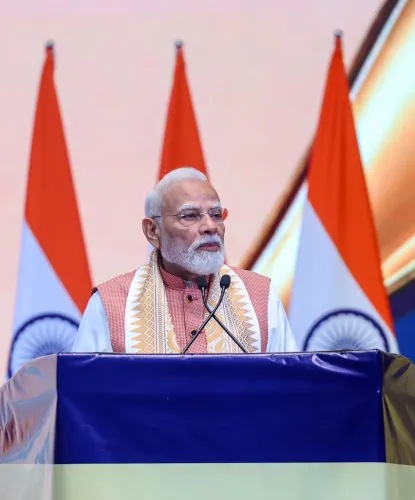
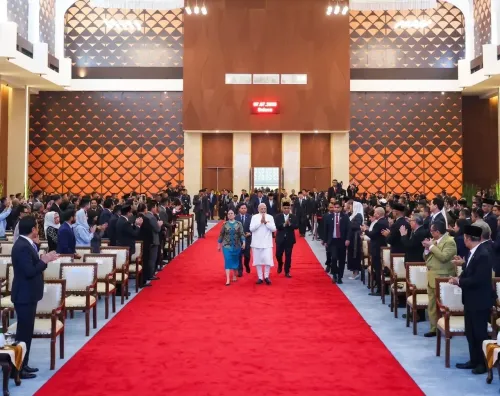
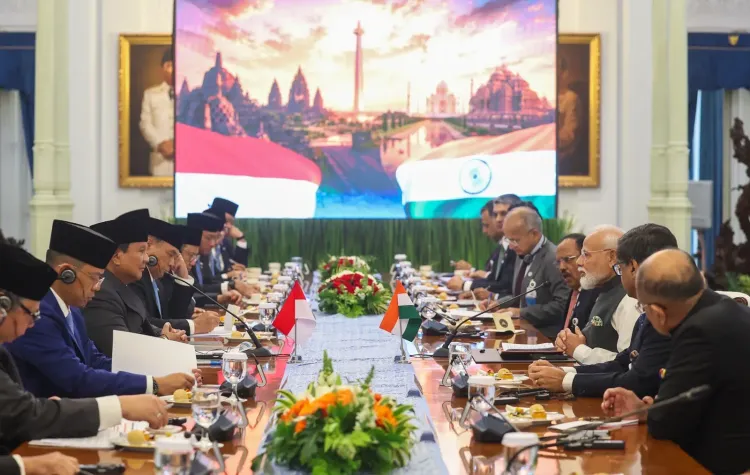
Prime Minister Narendra Modi on Tuesday, 7 July addressed the Indonesian Parliament in Jakarta, invoking the shared legacy of the Ramayana and the Mahabharata as the civilisational bedrock of India-Indonesia relations. The address marked a significant moment in diplomatic outreach, with Modi emphasising centuries of cultural, maritime, and spiritual exchange between the two nations.
Civilisational Bonds at the Centre of the Address
Speaking to Indonesian lawmakers, Prime Minister Modi drew on monuments, mythology, and shared symbols to frame the bilateral relationship. “India and Indonesia do not just share the sea; we also share our history. Our relationship is rooted in the legacy of the Ramayana and the Mahabharata… We are linked through magnificent monuments such as Borobudur and Prambanan. We are connected through Garuda, Indonesia’s national emblem. We are connected through the joy and celebrations of the Bali Jatra festival,” he said.
Modi also noted the historical role of traders and Sufi saints from Gujarat who sailed to Indonesia centuries ago, carrying Islamic values and ideas. “They brought with them the ideas of Islam and the values of the Islamic way of life,” he stated, underscoring the pluralistic and layered nature of the two countries’ shared past.
A Light Moment: Krupuk Versus Papad
In a lighter aside that drew attention for its warmth, Modi highlighted culinary parallels between the two nations. “When it comes to taste, it is difficult to say whether ‘krupuk’ or ‘papad’ is crunchier… Yet, one thing is certain: both spices and bumbu play an integral role in our lives,” he noted. The remark was widely seen as an effort to connect with Indonesian audiences through everyday cultural touchpoints.
Prambanan Visit and Heritage Conservation
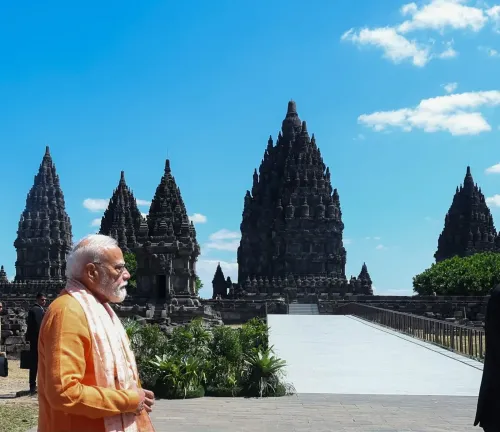
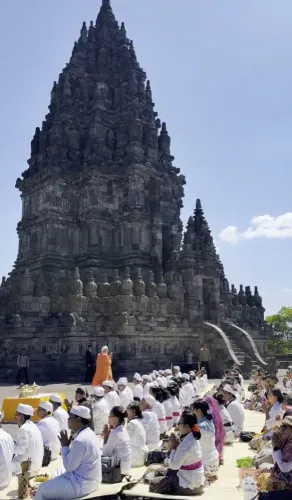
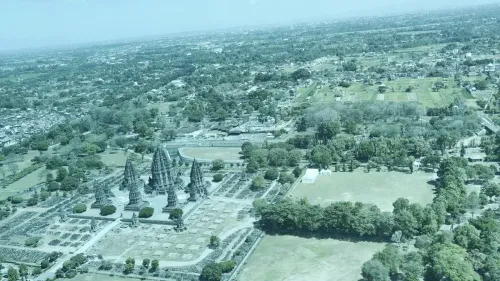
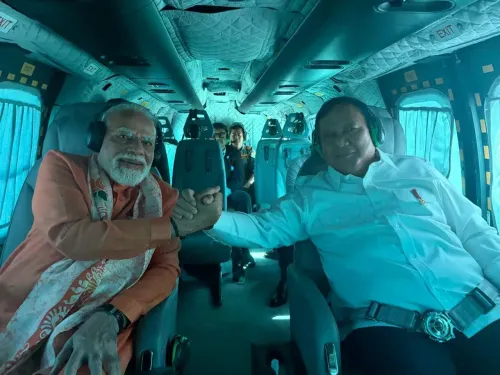
Prime Minister Modi announced that he and Indonesian President Prabowo Subianto would jointly visit the Prambanan Temple complex in Yogyakarta on Wednesday, 8 July — Indonesia’s largest Hindu temple complex and a UNESCO World Heritage Site. The two leaders are set to jointly inaugurate a conservation and restoration project at the site, signalling a shared commitment to preserving their common cultural inheritance.
“India and Indonesia are fully committed to preserving the heritage that history has entrusted to us,” Modi said. He also extended a personal invitation to Indonesian parliamentarians to visit India with their families.
Modi’s Post-Address Remarks
Following the parliamentary address, Prime Minister Modi posted on X: “It was an honour to address the Indonesian Parliament. India and Indonesia are connected by centuries of shared history, culture and people-to-people ties. Together, we will continue to work towards a future defined by friendship, cooperation and shared prosperity.”
Strategic and Cultural Context
The address comes as India deepens its engagement with Southeast Asia under its Act East Policy. Indonesia, as the world’s largest Muslim-majority democracy and a key G20 partner, holds strategic weight for India’s regional ambitions. Modi’s emphasis on civilisational continuity — rather than transactional diplomacy — reflects a deliberate framing of the relationship as one rooted in identity and heritage, not merely trade and security. With the Prambanan inauguration and a meeting with the Indian diaspora also on the itinerary, the visit is among the most culturally layered bilateral engagements of Modi’s third term.
Point of View
Mahabharata, and Garuda — rather than trade figures or defence pacts — he is making a deliberate civilisational case for India’s centrality in Southeast Asia, one that sidesteps China’s economic dominance in the region by competing on identity and heritage. The Prambanan restoration joint inauguration is a soft-power masterstroke: it binds both governments to a visible, lasting symbol. What remains to be seen is whether this cultural depth translates into concrete deliverables on trade, connectivity, and defence — the harder metrics by which bilateral relationships are ultimately judged.
NationPress
6 Oct 2026
Frequently Asked Questions
What did PM Modi say in his address to the Indonesian Parliament?
PM Modi invoked the shared legacy of the Ramayana, Mahabharata, Borobudur, Prambanan, and the Garuda emblem to describe centuries-old civilisational ties between India and Indonesia. He also highlighted the role of Gujarati traders and Sufi saints in carrying Islamic values to Indonesia by sea.
What is the Prambanan Temple and why is it significant?
Prambanan is Indonesia’s largest Hindu temple complex, located in Yogyakarta, and a designated UNESCO World Heritage Site. PM Modi and President Prabowo Subianto are scheduled to jointly inaugurate a conservation and restoration project there on 8 July, symbolising both nations’ commitment to shared cultural heritage.
Why did PM Modi mention krupuk and papad in his speech?
In a light-hearted moment, Modi drew a culinary parallel between Indonesia’s krupuk and India’s papad to highlight everyday cultural similarities. He noted that both spices and bumbu are integral to life in both countries, connecting with Indonesian audiences through a familiar reference.
What is the significance of Modi’s visit to Indonesia?
The visit reflects India’s deepening engagement with Southeast Asia under its Act East Policy. Indonesia, the world’s largest Muslim-majority democracy and a G20 partner, is strategically important for India. Modi’s emphasis on civilisational continuity signals a relationship framed around shared identity, not just trade and security.
Did PM Modi post about the Indonesian Parliament address on social media?
Yes. After the address, PM Modi posted on X stating: ‘It was an honour to address the Indonesian Parliament. India and Indonesia are connected by centuries of shared history, culture and people-to-people ties. Together, we will continue to work towards a future defined by friendship, cooperation and shared prosperity.’