India-Japan defence cooperation: Modi, Takaichi deepen ties at 16th Annual Summit
Synopsis
At the 16th India-Japan Annual Summit in New Delhi, PM Modi and PM Takaichi moved beyond diplomatic pleasantries — agreeing in principle on the UNICORN radio antenna project, scheduling the 4th 2+2 Ministerial Meeting in Tokyo, and embedding defence tech cooperation within the Make in India framework. The Quad's four-pillar agenda got a fresh reaffirmation, signalling that the bilateral partnership is shifting from intent to execution.
Key Takeaways
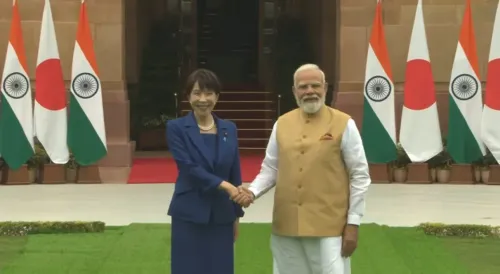
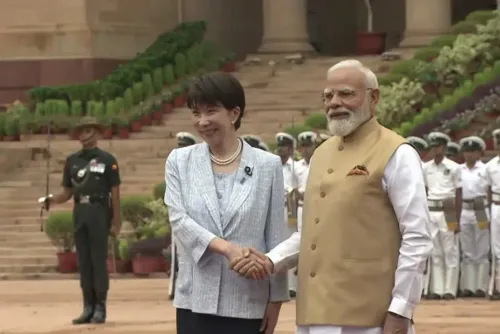
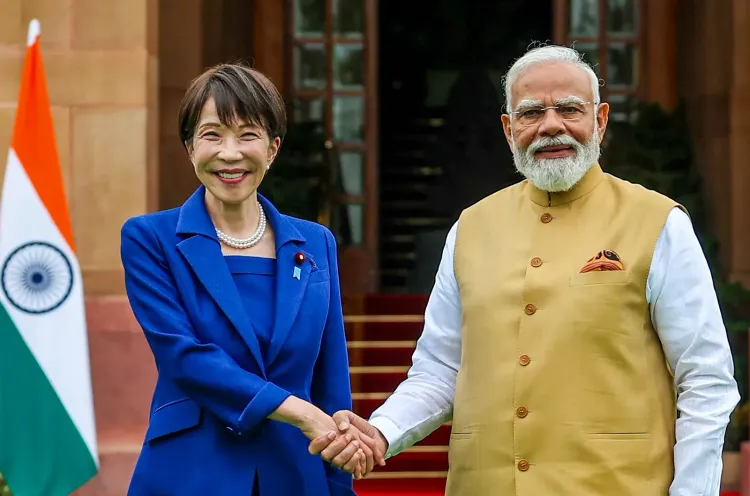
PM Narendra Modi and Japanese PM Sanae Takaichi met at the 16th India-Japan Annual Summit in New Delhi on 2 July .
Both sides welcomed Japan's review of the three principles on defence equipment and technology transfer, expected to deepen bilateral defence ties.
Agreement reached in principle on the UNICORN (Unified Complex Radio Antenna) project , a key defence technology initiative.
The 4th 2+2 Ministerial Meeting is scheduled to be held in Tokyo before the end of this year.
India welcomed Japan's participation in the International Fleet Review 2026 in Visakhapatnam ; maritime and MRO cooperation highlighted.
Both leaders reaffirmed commitment to the Quad framework and an early convening of the next Quad Leaders' Summit .
Prime Minister Narendra Modi on Thursday, 2 July welcomed Japan's review of the three principles governing the transfer of defence equipment and technology, expressing confidence that the move would further strengthen the bilateral defence partnership. The development came during the 16th India-Japan Annual Summit held in New Delhi, attended by Modi and his Japanese counterpart, Prime Minister Sanae Takaichi.
Key Developments from the Summit
A Joint Statement issued after the summit noted that both sides expressed deep satisfaction that bilateral defence and security cooperation is on an upward trajectory. The two leaders reaffirmed their commitment to deepening cooperation under the Joint Declaration on Security Cooperation, adopted at the previous Annual Summit.
'They directed their Ministers to hold the fourth round of the 2+2 Ministerial Meeting in Tokyo by the end of this year. They welcomed the progress made in the cooperation among the respective services, including the successful conduct of the naval exercise JAIMEX 25, supported by the two services on the Japanese side,' the Joint Statement detailed.
Maritime Security and Make in India
India welcomed Japan's participation in the International Fleet Review 2026 held in Visakhapatnam. Both nations agreed to deepen maritime security cooperation through enhanced exercises, maritime domain awareness using satellite capabilities, and naval maintenance, repair and overhaul (MRO) cooperation. Defence equipment and technology cooperation under the 'Make in India' framework was also underscored as a priority area.
A notable milestone was the agreement reached in principle on the remaining technical details of the Unified Complex Radio Antenna ('UNICORN') project. 'They expressed their expectation for an early conclusion of the project and concurred on exploring ways to materialise other projects in the field of defence equipment and technology,' the Joint Statement added.
Quad Reaffirmed as Strategic Pillar
Both leaders welcomed steady progress under the Quad framework and reaffirmed their shared commitment to enhancing practical cooperation. The Joint Statement underscored the importance of Quad collaboration across four pillars: maritime and transnational security; economic prosperity and security, including critical minerals; critical and emerging technologies; and humanitarian assistance and emergency response.
The leaders noted that growing bilateral cooperation in these areas would further strengthen and complement Quad efforts. They also reaffirmed their commitment to working towards an early convening of the next Quad Leaders' Summit.
What Comes Next
The 2+2 Ministerial Meeting in Tokyo is expected before year-end, which will be the fourth such meeting between the two nations. The UNICORN project conclusion and further defence equipment initiatives are also on the near-term agenda, signalling that the India-Japan strategic partnership is moving from declarations to deliverables.
Point of View
If concluded swiftly, would mark one of the first tangible hardware outcomes of the India-Japan defence partnership, which has historically been long on intent and short on deliverables. Embedding this cooperation within the Make in India framework is strategically sound, but the real test is whether Indian industry can absorb Japanese defence technology at scale. With China's maritime assertiveness intensifying, the Quad reaffirmation carries more urgency than in previous summits — but the bloc still lacks a binding security architecture, and that gap remains the partnership's most significant unresolved question.
NationPress
1 Oct 2026
Frequently Asked Questions
What was decided at the 16th India-Japan Annual Summit on defence?
At the summit held in New Delhi on 2 July, India and Japan agreed to deepen defence and security cooperation, reached an agreement in principle on the UNICORN radio antenna project, and scheduled the 4th 2+2 Ministerial Meeting in Tokyo before year-end. Both sides also welcomed Japan's review of its three principles on defence equipment and technology transfer.
What is the UNICORN project between India and Japan?
UNICORN stands for Unified Complex Radio Antenna and is a defence technology project being developed jointly by India and Japan. The two Prime Ministers announced that agreement has been reached in principle on the remaining technical details, with both sides expressing expectation for its early conclusion.
What is the significance of Japan reviewing its three principles on defence transfers?
Japan's three principles govern the export and transfer of defence equipment and technology. A review of these principles can ease restrictions and enable greater defence technology sharing with partner nations like India. PM Modi welcomed the move as a step that would further deepen the bilateral defence partnership.
What role does the Quad play in India-Japan relations?
Both leaders reaffirmed the Quad framework as a key pillar of cooperation, covering maritime and transnational security, economic and critical minerals security, critical and emerging technologies, and humanitarian assistance. They also committed to working towards an early convening of the next Quad Leaders' Summit.
What is the 2+2 Ministerial Meeting between India and Japan?
The 2+2 Ministerial Meeting is a high-level dialogue format involving the foreign and defence ministers of both countries. The fourth such meeting is scheduled to be held in Tokyo by the end of this year, following directions from both Prime Ministers at the Annual Summit.