16th India-Japan Summit: Modi and Takaichi deepen strategic, defence ties

Synopsis
The 16th India-Japan Annual Summit wasn't just a diplomatic courtesy call — it produced a concrete defence transfer agreement on UNICORN communication antennas, a mandate for a 2+2 dialogue this year, and a clear signal that Tokyo is accelerating its pivot to New Delhi as China tightens rare-earth controls and Sino-Japanese ties deteriorate. India's manufacturing ambitions and Japan's supply-chain anxiety are converging at precisely the right moment.
Key Takeaways
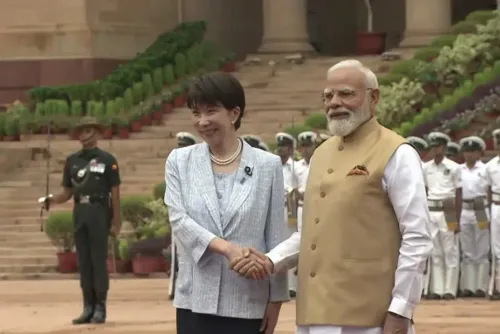
PM Modi and Japanese PM Sanae Takaichi held the 16th India-Japan Annual Summit in New Delhi on 3 July 2025 .
Both sides reached a broad agreement on Japan's export of UNICORN communication antennas — fitted on Japan's Mogami-class destroyers — to India.
Leaders directed departments to hold the next Japan-India 2+2 ministerial dialogue before the end of 2025 .
Cooperation on energy security and critical minerals was prioritised amid China's tightening of rare-earth export controls on Japan.
Japan's Ministry of Foreign Affairs confirmed expanded maritime training in the Indian Ocean and naval vessel maintenance cooperation under the revised Japan-India Security Declaration.
Japanese media, including The Japan Times , Kyodo News , and The Japan News , gave the summit extensive positive coverage, underlining India's rising strategic value for Tokyo.
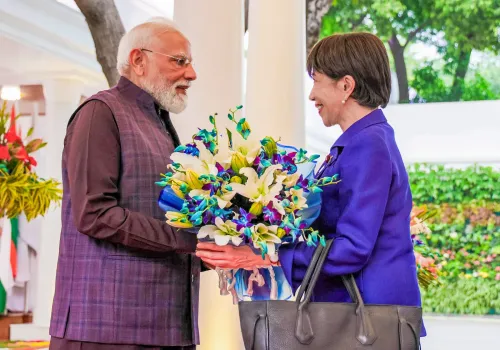
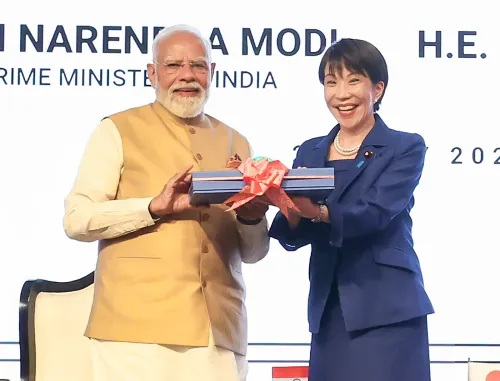
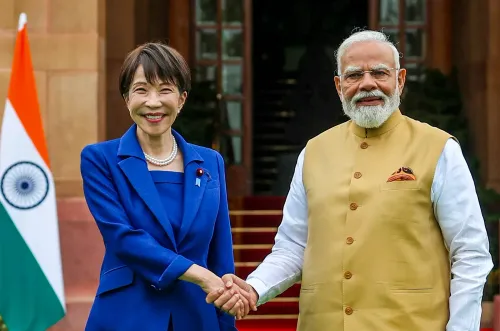
Prime Minister Narendra Modi and Japanese Prime Minister Sanae Takaichi held the 16th India-Japan Annual Summit in New Delhi on 3 July 2025, reviewing and reinforcing the full spectrum of bilateral cooperation across defence, economic security, energy, and critical minerals. Japanese media gave the summit extensive positive coverage, reflecting Tokyo's growing reliance on India as a strategic counterweight amid mounting tensions with China.
Why Tokyo Is Leaning Harder on New Delhi
According to The Japan Times, Prime Minister Takaichi moved to tighten ties with one of Japan's key Indo-Pacific partners amid deepening concerns over supply chain resilience, energy security, and China's expanding regional influence. 'With supply chain resilience positioned as a diplomatic priority for the Takaichi administration, India has become an increasingly attractive partner given its large market, an expanding manufacturing base, and a deep pool of tech workers,' the publication noted.
Kyodo News reported that Japan regards India as a pivotal partner in advancing a free and open Indo-Pacific. The report highlighted that Sino-Japanese ties remain strained — since January 2025, China has tightened controls on Japan-bound shipments of dual-use items, reportedly including essential rare earths, following a diplomatic rupture triggered by Takaichi's remarks on Taiwan in November 2024 that angered Beijing.
Defence Cooperation and the UNICORN Antenna Deal
During 90 minutes of talks, the two sides agreed to strengthen maritime security cooperation and reached a broad agreement on Japan's export of Unicorn communication antennas to India. The antennas — formally known as the Unified Complex Radio Antenna (UNICORN) — are currently fitted on the Japanese Maritime Self-Defense Force's Mogami-class destroyers, according to The Japan News.
Japan's Ministry of Foreign Affairs confirmed that the two leaders agreed to further cooperate in the security field under the framework of the 'Joint Declaration on Security Cooperation between Japan and India' revised last year. The ministry's statement added that cooperation would include 'deepening training in the Indian Ocean, promoting naval vessel maintenance cooperation, and defence equipment and technology cooperation based on Make in India.' Both leaders directed relevant departments to convene the next Japan-India 2+2 ministerial dialogue before the end of this year.
What the Leaders Said
'India is a trusted partner with whom we share a strategic vision. We will elevate our relationship to new heights,' Prime Minister Takaichi said at a joint press conference following the summit.
Prime Minister Takaichi also attended an informal dinner hosted by Modi on Thursday evening, where discussions ranged across bilateral ties, global development, and cultural links between the two nations. Japan's Prime Minister's office described the dinner as being held 'in a warm and cordial atmosphere,' with conversations 'deepening the personal relationship of trust.'
Economic Security and Critical Minerals
Both leaders agreed to deepen cooperation on economic security, with a specific emphasis on securing stable supplies of energy and critical minerals — a priority shaped by developments in the Middle East and China's tightening grip on rare-earth export channels. India's expanding manufacturing base and its ambitions under Make in India align closely with Japan's need to diversify supply chains away from Chinese dependency.
What Comes Next
With the next Japan-India 2+2 dialogue mandated for this calendar year, and the UNICORN antenna transfer moving toward finalisation, the partnership is entering an operational phase beyond diplomatic signalling. The trajectory of Sino-Japanese tensions and the pace of India's defence manufacturing ecosystem will be the two variables that determine how quickly these commitments translate into deployable capability.
Point of View
Not merely a chosen partner. The 2+2 mandate before year-end will be the real test of whether the momentum survives the diplomatic calendar.
NationPress
1 Oct 2026
Frequently Asked Questions
What was agreed at the 16th India-Japan Annual Summit?
At the 16th India-Japan Annual Summit held in New Delhi on 3 July 2025, PM Modi and PM Takaichi agreed on the export of UNICORN communication antennas to India, deeper maritime security cooperation, a Japan-India 2+2 dialogue before year-end, and strengthened collaboration on energy security and critical minerals.
What is the UNICORN antenna and why does the deal matter?
UNICORN stands for Unified Complex Radio Antenna — a communication system currently fitted on Japan's Maritime Self-Defense Force Mogami-class destroyers. The agreement to transfer this technology to India marks a significant step in defence interoperability between the two nations and advances the Make in India initiative in defence manufacturing.
Why is Japan deepening ties with India now?
Japan is accelerating its partnership with India amid strained Sino-Japanese relations, with China having tightened controls on dual-use exports to Japan — reportedly including rare earths — since January 2025. India's large market, expanding manufacturing base, and tech workforce make it an attractive alternative partner for supply chain resilience.
What is the Japan-India 2+2 dialogue?
The Japan-India 2+2 is a ministerial-level dialogue involving the foreign and defence ministers of both countries. At the 16th summit, both leaders directed relevant departments to hold the next 2+2 meeting within 2025, signalling urgency in advancing security cooperation.
How did Japanese media cover the India-Japan Summit?
Japanese outlets including The Japan Times, Kyodo News, and The Japan News gave the summit extensive positive coverage, highlighting India's strategic value to Tokyo in the context of Indo-Pacific security, supply chain diversification, and countering China's regional influence.