India, Netherlands sign MoUs to advance Kalpasar Project water cooperation
Synopsis
India and the Netherlands have formalised technical cooperation on the Kalpasar Project — Gujarat's ambitious freshwater reservoir plan — with two tripartite MoUs signed at IIWW 2026 in New Delhi. Dutch institutions Deltares and TU Delft will bring nearly a century of water engineering know-how, accelerating a partnership that took shape at the PM Modi–Netherlands summit in May 2026.
Key Takeaways
Jal Shakti Minister C R Patil and Netherlands Vice Minister Jaap Slootmaker met on 24 September 2026 at Bharat Mandapam, New Delhi .
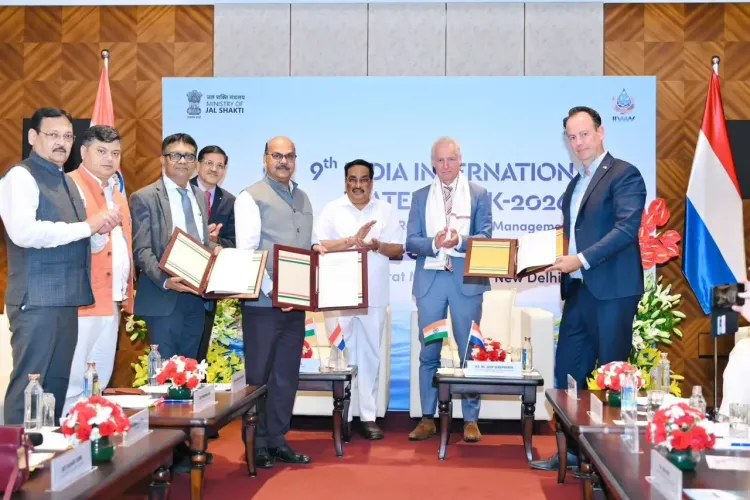
Two tripartite MoUs were signed between CWC , Kalpasar Department (Gujarat) , and Dutch institutions Deltares and TU Delft .
The Kalpasar Project will create a freshwater reservoir using runoff from the Sabarmati, Mahi and Dhadhar rivers, supplemented by Narmada water.
Cooperation was first formalised via a Letter of Intent signed on 16 May 2026 during PM Modi's visit to the Netherlands.
The Afsluitdijk — a nearly 100-year-old Dutch infrastructure project now being renewed — was cited as a key reference for the Kalpasar Project's design.
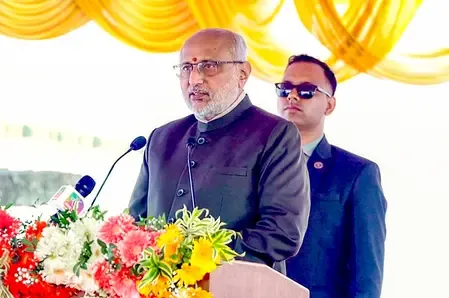
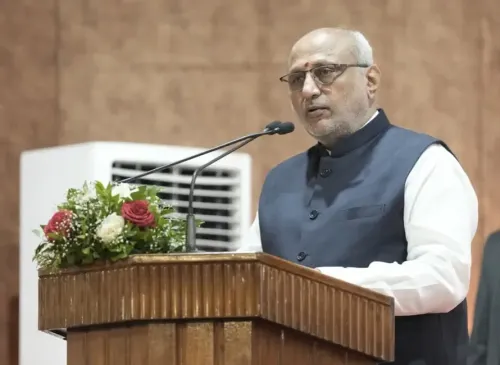
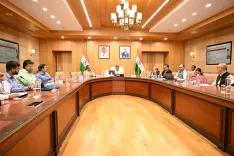
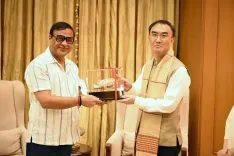
Jal Shakti Minister C R Patil and Netherlands Vice Minister for Infrastructure and Water Management Jaap Slootmaker met on Thursday, 24 September 2026, in New Delhi to deepen bilateral cooperation in the water sector, culminating in the signing of two tripartite Memoranda of Understanding (MoUs) for the landmark Kalpasar Project in Gujarat. The bilateral meeting was held at Bharat Mandapam on the sidelines of the 9th India International Water Week (IIWW) 2026.
MoUs Signed for Kalpasar Project
The two tripartite MoUs were signed between the Central Water Commission (CWC), the Kalpasar Department, Government of Gujarat, and Dutch knowledge institutions Deltares and TU Delft. According to the Ministry of Jal Shakti, the agreements are designed to facilitate technical collaboration through sharing of Dutch expertise and advanced engineering practices for the planning, design, and implementation of the Kalpasar Project.
Minister Patil said he was pleased to see Deltares and TU Delft entering into MoUs with their Indian counterparts to deepen cooperation in both project execution and capacity building. He expressed confidence that the MoUs would provide 'a strong basis for both countries to work together towards the successful execution of the project.'
What the Kalpasar Project Involves
The Kalpasar Project envisions the creation of a large freshwater reservoir in Gujarat by harnessing runoff from the Sabarmati, Mahi, and Dhadhar rivers, supplemented by water conveyed from the Narmada River. The project has drawn strong interest from the Netherlands given its parallels with Dutch water management at scale.
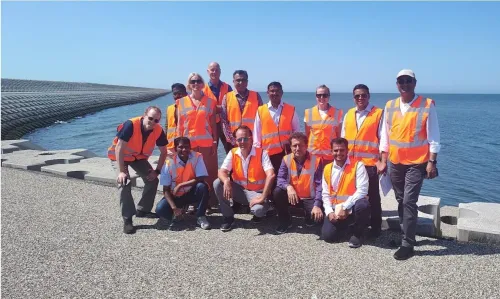
Patil noted that the Kalpasar Project was a key agenda item during Prime Minister Narendra Modi's visit to the Netherlands in May 2026, following which a Letter of Intent for technical cooperation was signed on 16 May 2026. During a subsequent Indian delegation visit to the Netherlands in July 2026, the team gained insights into flood protection, coastal infrastructure, hydraulic modelling, sluice and pumping systems, dyke technologies, and ecological solutions.
The Dutch Expertise on Offer
Vice Minister Slootmaker underscored the significance of the Letter of Intent and the broader opportunities it opens for bilateral cooperation. He drew attention to the Afsluitdijk — the nearly 100-year-old Dutch engineering marvel that is currently being renewed — as a rich source of accumulated knowledge that the Netherlands is ready to share with India.
Patil had earlier highlighted useful parallels between the Afsluitdijk and the Kalpasar Project, particularly in engineering, water management, and coastal infrastructure design. The renewed Afsluitdijk, Slootmaker noted, offers lessons that span a full century of water governance experience.
Strategic Context and What Comes Next
Thursday's meeting built on a rapidly expanding India–Netherlands water partnership that has been formalised in quick succession over 2026 — from the Prime Minister-level engagement in May to ministerial-level follow-through in September. This comes amid growing global urgency around freshwater security, with India facing intensifying pressure on river-basin management across its western river systems.
With MoUs now signed and technical cooperation formally structured, project planning and design work between Dutch institutions and their Indian counterparts is expected to advance in the months ahead, marking a concrete step toward the Kalpasar Project's eventual implementation.
Point of View
Particularly valuable given the Kalpasar Project's engineering complexity. What remains to be seen is whether institutional follow-through will keep pace: India has a mixed track record of translating bilateral water cooperation frameworks into construction timelines. The real measure of this partnership will be when the Kalpasar reservoir moves from design tables to Gujarat's coastline.
NationPress
24 Sept 2026
Frequently Asked Questions
What is the Kalpasar Project in Gujarat?
The Kalpasar Project is a large-scale water infrastructure initiative in Gujarat that envisions creating a freshwater reservoir by harnessing runoff from the Sabarmati, Mahi, and Dhadhar rivers, supplemented by water from the Narmada River. It is one of India's most ambitious water storage projects and has drawn technical interest from the Netherlands given its engineering parallels with Dutch water management.
What MoUs were signed at the India International Water Week 2026?
Two tripartite MoUs were signed between the Central Water Commission (CWC), the Kalpasar Department of the Government of Gujarat, and Dutch institutions Deltares and TU Delft on 24 September 2026. The agreements are aimed at facilitating technical collaboration in the planning, design, and implementation of the Kalpasar Project.
How did India-Netherlands water cooperation on Kalpasar begin?
Cooperation was formally initiated during Prime Minister Narendra Modi's visit to the Netherlands in May 2026, following which a Letter of Intent for technical cooperation was signed on 16 May 2026. An Indian delegation subsequently visited the Netherlands in July 2026 to gather insights on flood protection, dyke technologies, and coastal infrastructure.
What is the Afsluitdijk and why is it relevant to the Kalpasar Project?
The Afsluitdijk is a nearly 100-year-old Dutch dam and causeway that is currently undergoing renewal, representing a century of accumulated expertise in water management and coastal infrastructure. Netherlands Vice Minister Slootmaker cited it as a key knowledge resource the Netherlands is ready to share, given its engineering parallels with the Kalpasar Project.
What role will Deltares and TU Delft play in the Kalpasar Project?
Deltares and TU Delft are Dutch knowledge institutions specialising in water and infrastructure research. Under the newly signed MoUs, they will provide technical expertise in areas including hydraulic modelling, sluice and pumping systems, dyke technologies, and ecological solutions to support the planning and execution of the Kalpasar Project.