India-Netherlands water cooperation deepens with Kalpasar Project talks in July 2026
Synopsis
India's Jal Shakti ministry sent a technical delegation to the Netherlands in July 2026 for consultations on the Kalpasar Project — a freshwater reservoir planned near Gujarat's Gulf of Khambhat. Coming weeks after PM Modi toured the Afsluitdijk Dam and praised Dutch water expertise, the visit marks a shift from diplomatic intent to project-level engineering collaboration.
Key Takeaways
K V L Kantha Rao , Secretary at India's Ministry of Jal Shakti , led a delegation to the Netherlands from 14 to 17 July 2026 .
The visit focused on bilateral water management cooperation and technical consultations on the Kalpasar Project in Gujarat .
The delegation met Jaap Slootmaker , Director General of the Dutch Ministry of Infrastructure and Water Management , and held discussions at RVO , TU Delft , and Deltares .
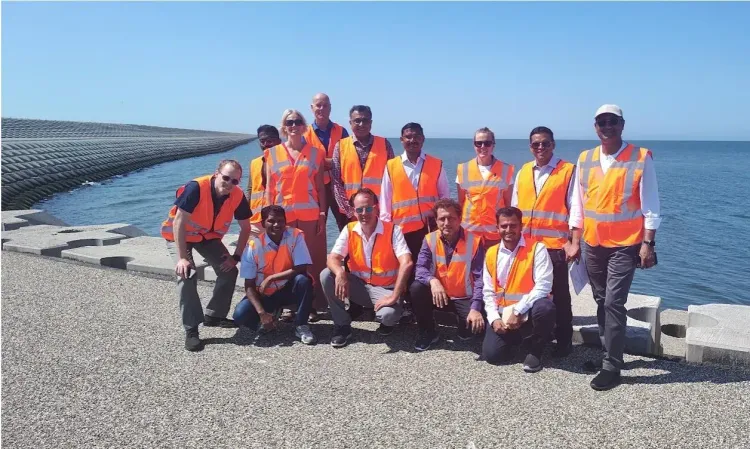
The team conducted a field visit to the Afsluitdijk project, which PM Modi had toured in May 2026 alongside Dutch PM Rob Jetten .
The Kalpasar Project aims to build a freshwater reservoir and dam near the Gulf of Khambhat , with Dutch expertise seen as directly relevant.
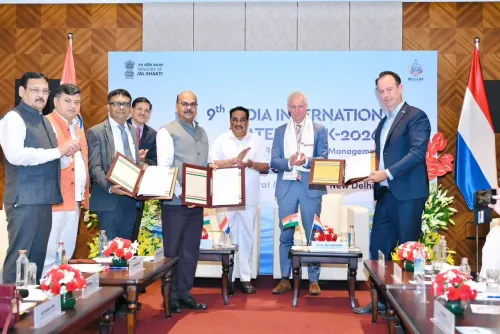
A high-level Indian delegation led by K V L Kantha Rao, Secretary at the Ministry of Jal Shakti, visited the Netherlands from 14 to 17 July 2026 to advance bilateral cooperation in water management and hold technical consultations on the Kalpasar Project in Gujarat. The visit signals a concrete follow-through on the Indo-Dutch water partnership that Prime Minister Narendra Modi publicly championed during his own visit to the Netherlands earlier this year.
Key Engagements in the Netherlands
The delegation held discussions with Jaap Slootmaker, Director General at the Dutch Ministry of Infrastructure and Water Management, as well as at the RVO (Netherlands Enterprise Agency), TU Delft, and Deltares — three of the country's foremost institutions for water technology and research. The team also conducted field visits, including a tour of the Afsluitdijk project, a landmark Dutch engineering achievement that has long served as a global reference for large-scale water management.
What the Kalpasar Project Involves
The Kalpasar Project aims to create a freshwater reservoir and dam near the Gulf of Khambhat in Gujarat. According to the Ministry of External Affairs (MEA), Dutch expertise in flood control, reservoir engineering, and sustainable water infrastructure is directly relevant to the project's design and execution. The Netherlands, which has reclaimed significant land from the sea over centuries, is widely regarded as a global leader in water management technology.
Modi's Visit Sets the Stage
In May 2026, Prime Minister Modi visited the Afsluitdijk Dam alongside his Netherlands counterpart Rob Jetten and described the country's approach to water management as 'pioneering work.' Modi noted that the Netherlands had done 'exceptional work' in water resources and that 'there is a lot the entire global community can learn from them.' He also said India was working to bring modern Dutch technology to bear on irrigation, flood control, and expanding its inland waterway network.
Broader Indo-Dutch Collaboration
According to the Indian Embassy in the Netherlands, which shared details of the delegation's visit on X, the engagements were described as 'fruitful.' The MEA has underscored that the partnership extends beyond Kalpasar to encompass climate resilience, water technology, and sustainable infrastructure — areas of growing urgency for India given recurring floods and water scarcity across different regions. This is the latest in a series of technical exchanges between the two countries on water governance, reinforcing a relationship that has moved from diplomatic goodwill to project-level collaboration.
What Comes Next
With technical consultations now completed, attention will turn to whether the Netherlands-backed frameworks and technologies can be formally integrated into the Kalpasar Project's planning phase. Industry observers note that the involvement of institutions like TU Delft and Deltares — both globally respected in hydraulic engineering — lends credibility to the project's ambitions. The pace of follow-up agreements and knowledge-transfer arrangements will be closely watched.
Point of View
Not just diplomatic endorsement. The Kalpasar Project has been in planning for decades; Dutch involvement could accelerate its technical credibility. But the real test will be whether these consultations translate into binding agreements or remain in the long queue of Indo-Dutch MoUs that have not yet moved to implementation. Modi's Afsluitdijk visit in May raised expectations — the July delegation now needs to deliver specifics.
NationPress
20 Oct 2026
Frequently Asked Questions
What is the Kalpasar Project and why is the Netherlands involved?
The Kalpasar Project is a large-scale infrastructure initiative in Gujarat that aims to construct a freshwater reservoir and dam near the Gulf of Khambhat. The Netherlands, a global leader in water engineering, has been engaged for technical consultations given its expertise in flood control, reservoir management, and sustainable water infrastructure.
Who led India's delegation to the Netherlands in July 2026?
The delegation was led by K V L Kantha Rao, Secretary at India's Ministry of Jal Shakti. The team visited the Netherlands from 14 to 17 July 2026 and met with senior Dutch officials and research institutions including TU Delft and Deltares.
What did PM Modi say about the Netherlands during his May 2026 visit?
PM Modi, during his visit to the Afsluitdijk Dam alongside Dutch Prime Minister Rob Jetten, described the Netherlands as having done 'pioneering work' in water management. He stated that India was working to bring modern Dutch technology to India for irrigation, flood control, and expanding its inland waterway network.
Which Dutch institutions did the Indian delegation engage with?
The delegation held discussions at the RVO (Netherlands Enterprise Agency), TU Delft, and Deltares, in addition to meeting Jaap Slootmaker, Director General at the Dutch Ministry of Infrastructure and Water Management. The team also visited the Afsluitdijk project.
Why does India-Netherlands water cooperation matter for India?
India faces dual water challenges — recurring floods and chronic water scarcity — across different regions. The Netherlands has centuries of experience in large-scale water engineering and climate-resilient infrastructure, making it a strategically valuable partner for projects like Kalpasar and for India's broader goals in irrigation and inland waterway development.