India rejects Pakistan flood blame, cites Chenab monsoon data
Synopsis
India has turned Pakistan's own flood advisory against it — MEA spokesperson Randhir Jaiswal cited Lahore's Flood Forecasting Division to argue that the Chenab surge was monsoon-driven, not engineered. With the Indus Waters Treaty still in abeyance over cross-border terrorism, the exchange signals how sharply the water-diplomacy relationship has deteriorated since Pahalgam.
Key Takeaways
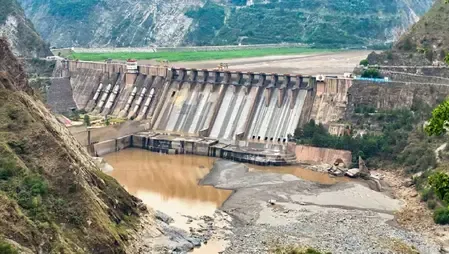
India on 25 July 2026 rejected Pakistani media allegations that it deliberately caused flooding in Pakistan via upstream intervention on the Chenab River .
MEA spokesperson Randhir Jaiswal attributed the surge to intense monsoon rainfall over Jammu and adjoining areas between 20–23 July 2026 .
Pakistan's own Flood Forecasting Division , based in Lahore , issued an advisory on 22 July 2026 attributing high Chenab flows to heavy rainfall — contradicting the allegation.
India said river flows did not reach levels requiring special flood warnings and denied withholding any flood-related information.
India confirmed it will continue sharing high-flood data with Pakistan on humanitarian grounds through diplomatic channels.
The Indus Waters Treaty (IWT) remains in abeyance until Pakistan 'irrevocably and credibly' abjures support for cross-border terrorism, Jaiswal reaffirmed.
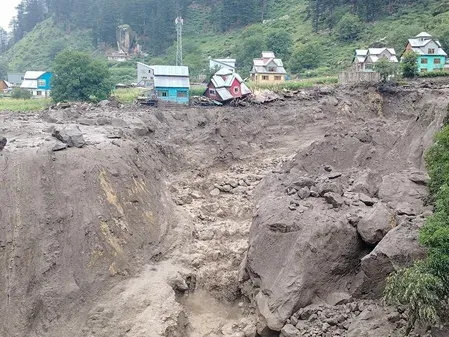
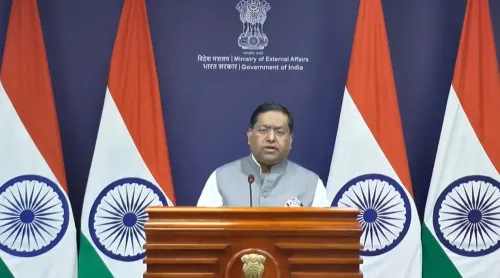
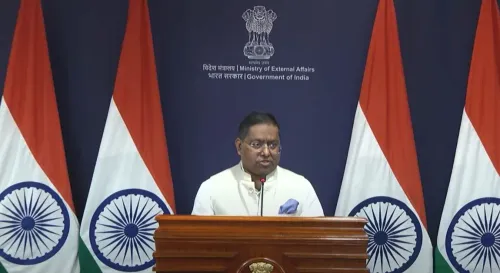
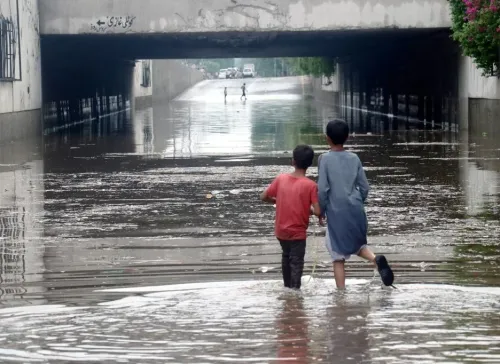
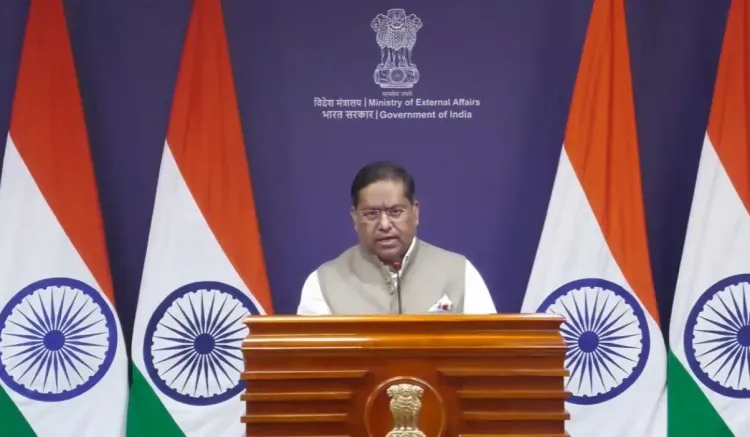
India on Friday, 25 July 2026 firmly rejected Pakistani media reports alleging that New Delhi was deliberately engineering floods in Pakistan, calling the claims baseless, factually incorrect, and technically untenable. Ministry of External Affairs (MEA) spokesperson Randhir Jaiswal said the surge in the Chenab River's flow was a direct result of intense monsoon rainfall over Jammu and adjoining catchment areas between 20 and 23 July 2026.
What India Said
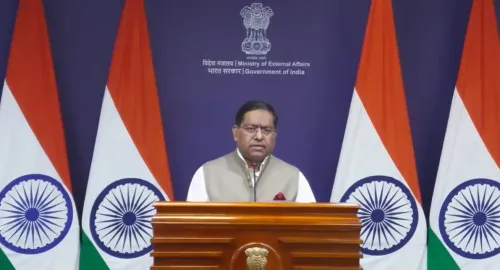
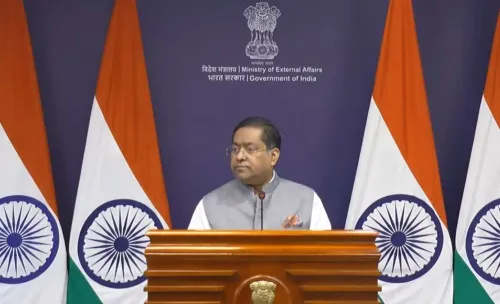
'We are seeing Pakistani media reports that are making allegations that India is deliberately causing flooding in Pakistan and such allegations, I must say are baseless and contrary to the facts,' Jaiswal said at a media briefing in New Delhi. He stated that the rise in Chenab flows was 'a direct consequence of intense monsoon rainfall over Jammu and adjoining catchment areas during the last three days, which is between 20–23 July 2026.'
Jaiswal further noted that India's position was not merely a counter-claim — it was, he argued, corroborated by Pakistan's own official flood forecasting authority.
Pakistan's Own Data Contradicts the Allegation
Pakistan's Flood Forecasting Division, based in Lahore, issued a flood advisory on 22 July 2026 at 1718 hours local time, attributing high flood levels in the Chenab River to heavy rainfall over the upper catchment area. The advisory stated that high flows at Marala were expected to persist before gradually receding as rainfall over the catchment decreased.
'The rise in river flows is, therefore, a natural hydrological response to heavy monsoon rainfall and not the result of any deliberate action by India. Attempts to portray a weather-driven flood event as an upstream intervention are factually incorrect, technically untenable, and contradicted by Pakistan's own official flood advisories,' Jaiswal said.
On Flood Warning Allegations
Responding to allegations that India deliberately withheld flood warnings, Jaiswal said river flows during the period 'did not reach extraordinary discharge levels requiring the issuance of special flood warnings.' He added that the observed flows were consistent with prevailing monsoon conditions, as acknowledged by Pakistan's own flood forecasting authorities, making any suggestion of deliberate withholding 'without factual basis.'
Nevertheless, Jaiswal confirmed that India would continue to share high-flood data with Pakistan on humanitarian grounds through diplomatic channels, as and when the situation warrants — consistent with its approach from the previous year.
Indus Waters Treaty Remains in Abeyance
During the same briefing, Jaiswal reiterated India's unchanged position on the Indus Waters Treaty (IWT). 'Indus Waters Treaty is or remains in abeyance until Pakistan irrevocably and credibly abjures its support for cross-border terrorism,' he said.
The IWT, signed on 19 September 1960, governs the utilisation of waters of the Indus river system between the two countries. India placed the treaty in abeyance following the Pahalgam terror attack of 2025, invoking its rights under international law and conditioning any resumption on Pakistan credibly abandoning support for cross-border terrorism. That position, Jaiswal confirmed, remains unchanged.
Point of View
New Delhi effectively closed the diplomatic escape route for Islamabad's media narrative. The conflation of a monsoon event with upstream sabotage is a recurring pattern in India-Pakistan water disputes, but this is the first time India has had Pakistan's own timestamped official advisory as a rebuttal. The deeper story is the Indus Waters Treaty: with it formally in abeyance since the Pahalgam attack, every flood season now carries the potential to become a bilateral flashpoint. India's offer to continue sharing high-flood data on humanitarian grounds is a carefully calibrated signal — cooperative on humanitarian optics, firm on the treaty's political conditionality.
NationPress
22 Oct 2026
Frequently Asked Questions
What did India say about the Pakistan flooding allegations?
India's MEA spokesperson Randhir Jaiswal called the allegations baseless, factually incorrect, and technically untenable, stating that the Chenab River surge was caused by intense monsoon rainfall over Jammu and adjoining areas between 20 and 23 July 2026 — not by any deliberate upstream action.
What evidence did India cite to counter the claims?
India cited Pakistan's own Flood Forecasting Division advisory, issued on 22 July 2026 at 1718 hours local time from Lahore, which attributed high Chenab flood levels to heavy rainfall over the upper catchment and projected flows would recede as rainfall decreased.
Did India issue flood warnings to Pakistan?
India said river flows during the period did not reach extraordinary discharge levels requiring special flood warnings, and that observed flows were consistent with prevailing monsoon conditions as acknowledged by Pakistan's own authorities. India denied withholding any flood-related information.
What is the current status of the Indus Waters Treaty?
The Indus Waters Treaty remains in abeyance. India placed the 1960 treaty in abeyance following the Pahalgam terror attack of 2025 and has conditioned its resumption on Pakistan irrevocably and credibly abjuring its support for cross-border terrorism.
Will India continue sharing flood data with Pakistan?
Yes. Despite the diplomatic tensions, India confirmed it will continue to share high-flood data with Pakistan on humanitarian grounds through diplomatic channels, as and when the situation arises — consistent with its practice from the previous year.