Indus Waters Treaty in abeyance until Pakistan ends terror support, MEA reiterates
Synopsis
India isn't just suspending a water treaty — it's using the IWT as a diplomatic lever. By keeping the 1960 agreement in abeyance and rejecting the Court of Arbitration's latest award as 'null and void,' New Delhi is signalling that no international forum can override its sovereign response to cross-border terrorism. The Pahalgam attack has fundamentally redrawn the rules of India-Pakistan water diplomacy.
Key Takeaways
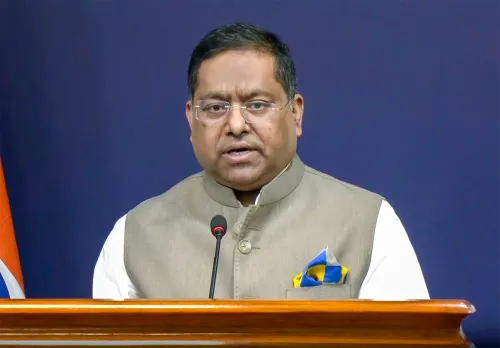
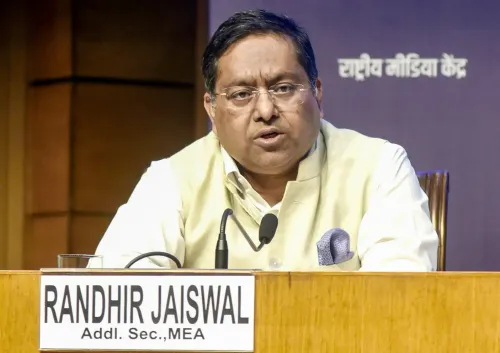
MEA spokesperson Randhir Jaiswal confirmed on 5 June 2026 that the Indus Waters Treaty remains in abeyance until Pakistan ends cross-border terrorism.
India rejected the Court of Arbitration's award dated 15 May 2026 as 'null and void,' maintaining it has never recognised the CoA's legal existence.
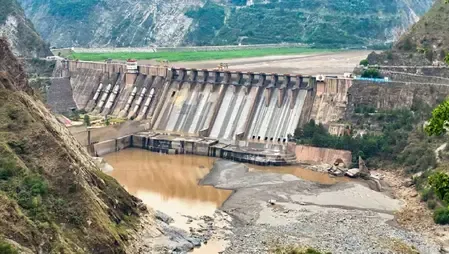
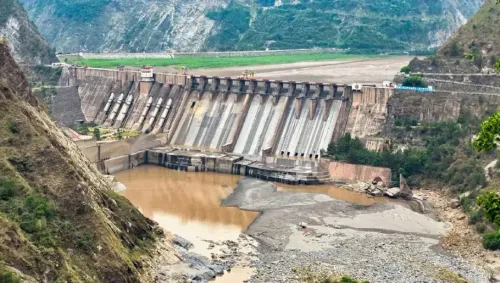
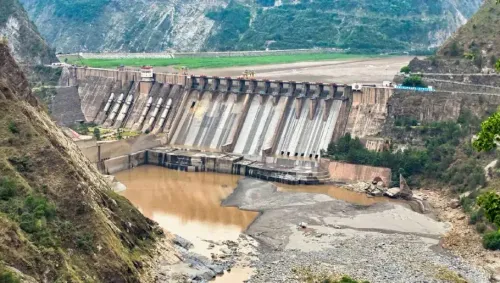
Pakistan had accused India of 'weaponising water' via the Chenab-Beas Link Tunnel Project and silt-flushing plans at the Salal Dam .
India suspended the IWT following the Pahalgam terror attack of 2025 , citing its rights under international law as a sovereign nation.
The IWT , originally signed on 19 September 1960 , governs Indus river system water-sharing — one of the longest-standing India-Pakistan bilateral agreements.
India also defended the Swiss Ambassador's visit to Jammu and Kashmir , calling J&K 'an integral part of India.'
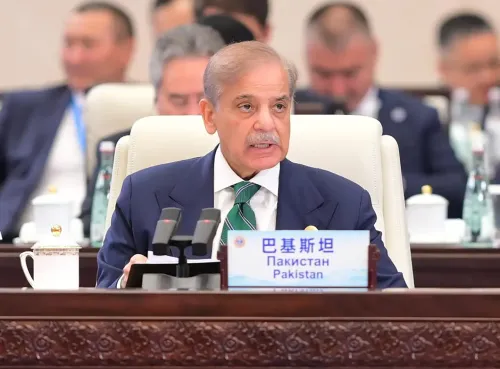
India on Friday, 5 June firmly reiterated that the Indus Waters Treaty (IWT) remains in abeyance until Pakistan completely and credibly ends its support for cross-border terrorism. The statement from the Ministry of External Affairs (MEA) came in direct response to Islamabad's accusation that New Delhi was seeking to 'weaponise water' through two river infrastructure projects.
India's Core Position
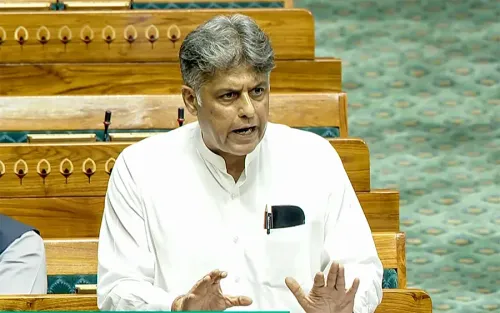
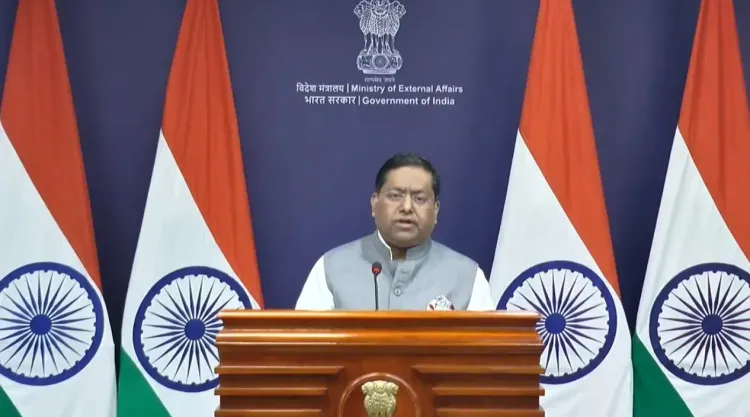
MEA spokesperson Randhir Jaiswal, addressing a weekly media briefing in New Delhi, stated: 'We have suspended the Indus Waters Treaty and kept it in abeyance until Pakistan completely stops cross-border terrorism.' Jaiswal was responding to a question on the Pakistan Foreign Ministry's statement, which had criticised India's advancement of the Chenab-Beas Link Tunnel Project and plans to flush silt from the Salal Dam reservoir.
India's position, reiterated on Friday, is that until the treaty is formally revived, it is 'no longer bound to perform any of its obligations' under the 1960 agreement.
Court of Arbitration Award Rejected
The MEA also reaffirmed India's categorical rejection of the latest award issued by what it described as the 'illegally constituted' Court of Arbitration (CoA). The CoA had on 15 May 2026 issued what it termed an award concerning 'maximum pondage supplemental to the award on issues of general interpretation' of the IWT.
Jaiswal stated that India 'categorically rejects the present so-called award, just as it has firmly rejected all prior pronouncements of the illegally constituted CoA.' He added that India has 'never recognised the establishment of this so-called CoA' and that any 'proceeding, award, or decision issued by it is null and void.'
Last year, the MEA had similarly rejected a 'supplemental award' issued by the CoA regarding the Kishenganga and Ratle hydroelectric projects in Jammu and Kashmir, calling the body's very constitution 'a serious breach of the Indus Waters Treaty.'
Background: Pahalgam Attack and IWT Suspension
India placed the IWT in abeyance following the Pahalgam terror attack of 2025, exercising what it described as its rights as a sovereign nation under international law. The MEA had stated that the suspension would remain until Pakistan 'credibly and irrevocably abjured its support for cross-border terrorism.'
The IWT, originally signed on 19 September 1960, governs the utilisation of waters from the Indus river system between the two nations. It has historically been considered one of the more durable bilateral agreements, surviving multiple wars — making India's suspension a significant diplomatic escalation.
On the Swiss Ambassador's J&K Visit
Separately, Jaiswal addressed Pakistan's objections to the Swiss Ambassador's visit to Jammu and Kashmir, stating: 'Jammu and Kashmir is an integral part of India, and the Swiss Ambassador, or any other ambassador, is free to visit.' The response signals India's continued pushback against any attempt to internationalise the Kashmir issue through diplomatic channels.
India's Broader Stance on Pakistan
The MEA has previously described Pakistan's resort to the CoA as 'consistent with its decades-long pattern of deception and manipulation of international forums,' and characterised such proceedings as 'desperate attempts to escape accountability for its role as the global epicentre of terrorism.' India has made clear that no arbitral body — 'much less this illegally constituted' one — has jurisdiction to examine the legality of India's sovereign decisions while the treaty remains in abeyance.
With the IWT suspension now firmly embedded in India's post-Pahalgam diplomatic posture, any resumption of treaty obligations appears contingent on a verifiable and lasting shift in Pakistan's counter-terrorism commitments — a threshold Islamabad has so far not met.
Point of View
However contested their constitution, could complicate India's broader standing in treaty-based dispute resolution. The IWT suspension is legally coherent as a sovereign act, yet the absence of a defined threshold for what constitutes Pakistan 'credibly' ending terrorism creates an open-ended suspension that may be harder to exit than to maintain. The real test is whether this posture translates into measurable diplomatic pressure on Islamabad, or simply hardens into a permanent deadlock.
NationPress
21 Oct 2026
Frequently Asked Questions
Why has India suspended the Indus Waters Treaty?
India placed the Indus Waters Treaty in abeyance following the Pahalgam terror attack of 2025, citing Pakistan's support for cross-border terrorism. The MEA has stated the suspension will remain until Pakistan credibly and irrevocably ends its backing for such activities.
What is the Court of Arbitration and why does India reject it?
The Court of Arbitration (CoA) is a body purportedly constituted under the IWT 1960 to adjudicate water disputes between India and Pakistan. India has never recognised its legal existence, calling it 'illegally constituted,' and rejects all its awards — including the most recent one dated 15 May 2026 — as null and void.
What are the Chenab-Beas Link Tunnel Project and Salal Dam silt-flushing plans?
These are two Indian river infrastructure projects that Pakistan has criticised, accusing India of seeking to 'weaponise water.' India has not acknowledged any legal obligation to halt these projects while the IWT remains in abeyance.
What was the original Indus Waters Treaty?
The Indus Waters Treaty was signed on 19 September 1960 between India and Pakistan, governing the utilisation of waters from the Indus river system. It is considered one of the most durable bilateral agreements in South Asia, having survived multiple wars before India's 2025 suspension.
What did India say about the Swiss Ambassador's visit to Jammu and Kashmir?
MEA spokesperson Randhir Jaiswal stated that the Swiss Ambassador visited Jammu and Kashmir and held meetings there, adding that any ambassador is free to visit since J&K is 'an integral part of India.' The response was a pushback against Pakistan's objections to the diplomatic visit.