India hands 3 tonnes of anti-TB medicines to Sri Lanka in health push
Synopsis
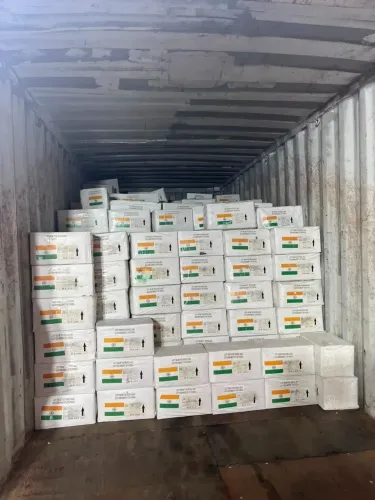
India's health diplomacy in Sri Lanka took a tangible step on 7 October as High Commissioner Santosh Jha handed over 3 tonnes of anti-TB medicines in Colombo — medicines airlifted by the IAF on 28 September. Combined with a SLR 600 million grant for a new emergency unit in Mannar, New Delhi is embedding itself firmly in Sri Lanka's public health architecture.
Key Takeaways
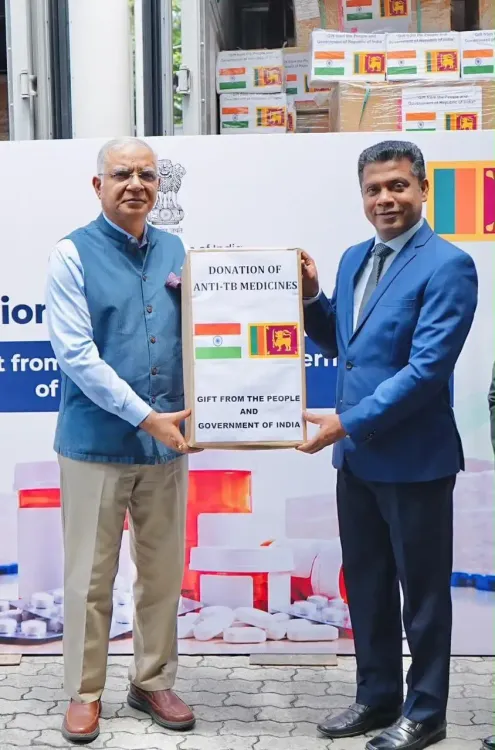
India's High Commissioner Santosh Jha handed over a 3-tonne anti-TB medicine consignment to Sri Lanka's Health Minister Nalinda Jayatissa in Colombo on 7 October 2026 .
The medicines were airlifted aboard an Indian Air Force C-130J aircraft on 28 September , confirmed by External Affairs Minister S.
Construction of a new two-storey accident and emergency unit at the District General Hospital, Mannar began on 16 September , funded by an Indian grant of SLR 600 million .
Sri Lankan President Anura Kumara Dissanayake attended the Mannar hospital foundation stone ceremony alongside Jha and Jayatissa .
Both deliverables form part of India's broader people-centric health diplomacy push with Sri Lanka .
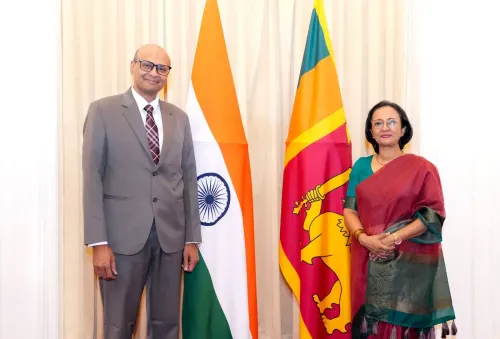
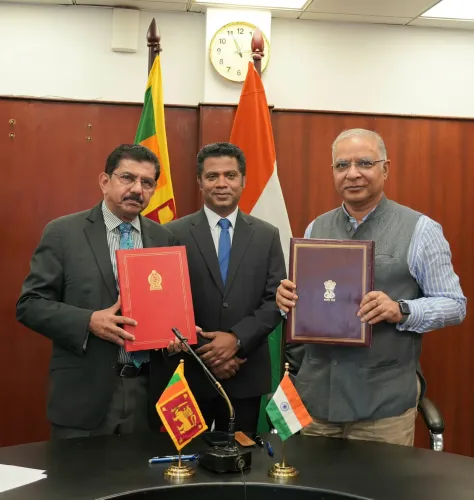
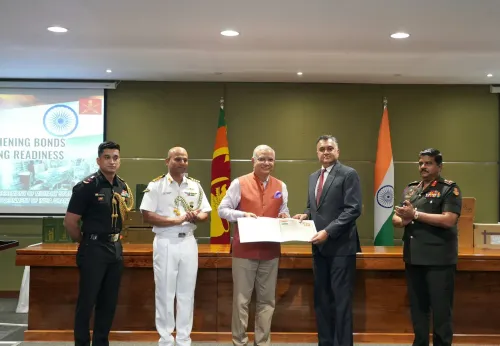
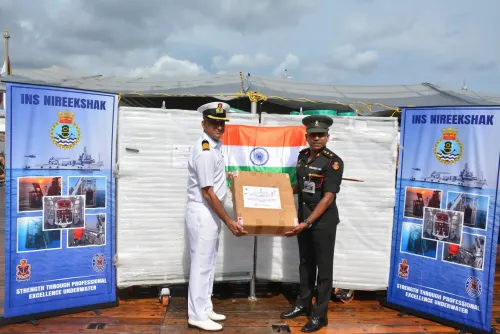
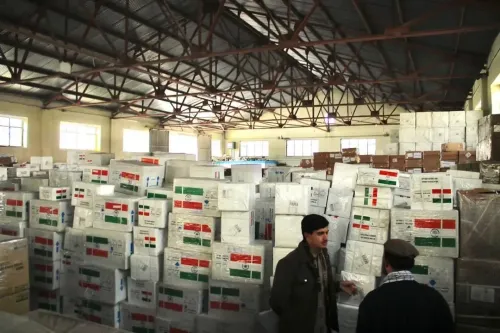
India's High Commissioner to Sri Lanka, Santosh Jha, on 7 October 2026 formally handed over a 3-tonne consignment of essential anti-tuberculosis medicines to Sri Lanka's Minister of Health and Mass Media, Nalinda Jayatissa, in Colombo. The handover is the latest in a series of concrete health-sector gestures by New Delhi aimed at reinforcing bilateral ties with its southern neighbour.
The Medicine Consignment
'Standing together in the fight against TB! Pleased to hand over a 3-tonne consignment of essential anti-TB medicines to Hon. Minister of Health and Mass Media Dr. Nalinda Jayatissa today. These medicines will support Sri Lanka's TB treatment and control efforts and contribute to strengthening the country's response to tuberculosis,' Jha said in a post on X.
The medicines were originally dispatched from India on 28 September aboard an Indian Air Force (IAF) C-130J aircraft. External Affairs Minister S. Jaishankar had confirmed the airlift at the time, stating: 'India remains committed to supporting Sri Lanka's public health system. About 3 tonnes of anti-tuberculosis medicines were dispatched to Colombo today aboard an IAF C130J.'
Broader Health Infrastructure Support
The medicine handover is part of a wider Indian push to bolster Sri Lanka's healthcare infrastructure. On 16 September, construction began on a new two-storey accident and emergency unit at the District General Hospital in Mannar, funded by an Indian government grant of Sri Lankan Rupees (SLR) 600 million.
Sri Lankan President Anura Kumara Dissanayake, Health Minister Jayatissa, and High Commissioner Jha were present at the foundation stone laying ceremony. The project will also equip the new unit with essential medical equipment, with a stated goal of ensuring timely emergency care during the critical 'golden hour.'
India's Stated Commitment to Sri Lanka's Health System
High Commissioner Jha described the Mannar hospital project as a 'true testament' to the enduring partnership between India and Sri Lanka and the shared commitment of both nations to people-centric development. Taken together, the TB medicine airlift and the hospital construction signal a sustained, multi-pronged Indian engagement with Sri Lanka's public health sector.
This comes amid a broader diplomatic reset between the two countries under President Dissanayake, who took office in late 2024. Notably, health diplomacy has emerged as one of the more tangible threads in the relationship, complementing existing cooperation in energy, infrastructure, and trade.
What Happens Next
The Mannar accident and emergency unit is expected to be completed and operationalised in the coming months, with Indian-supplied medical equipment part of the delivery package. Health officials in Colombo are expected to integrate the anti-TB medicines into the country's national tuberculosis control programme. Both governments have signalled continued engagement on public health as a pillar of the India-Sri Lanka partnership going forward.
Point of View
One that is harder to politicise than loans or energy deals. The real question is whether this engagement translates into durable institutional capacity for Sri Lanka's health system, or remains a series of high-visibility deliveries that do not alter underlying structural gaps. For India, the optics of an IAF aircraft delivering medicines to Colombo carry diplomatic weight well beyond the 3 tonnes.
NationPress
7 Oct 2026
Frequently Asked Questions
What medicines did India hand over to Sri Lanka on 7 October 2026?
India handed over a 3-tonne consignment of essential anti-tuberculosis (anti-TB) medicines to Sri Lanka on 7 October 2026. The consignment was formally presented by India's High Commissioner Santosh Jha to Sri Lanka's Health Minister Nalinda Jayatissa in Colombo.
How were the anti-TB medicines transported to Sri Lanka?
The medicines were airlifted from India to Colombo on 28 September aboard an Indian Air Force C-130J aircraft. External Affairs Minister S. Jaishankar confirmed the dispatch, describing it as part of India's commitment to Sri Lanka's public health system.
What is India's SLR 600 million hospital project in Mannar?
It is a new two-storey accident and emergency unit being built at the District General Hospital in Mannar, Sri Lanka, funded by an Indian government grant of SLR 600 million. Construction began on 16 September, with Sri Lankan President Anura Kumara Dissanayake attending the foundation stone ceremony.
Why is India providing health support to Sri Lanka?
India has described the assistance as part of its commitment to people-centric development and its enduring bilateral partnership with Sri Lanka. High Commissioner Santosh Jha called the projects a 'true testament' to ties between the two countries, with health diplomacy emerging as a key pillar of the relationship under President Anura Kumara Dissanayake.
Who were the key officials involved in the medicine handover?
India's High Commissioner to Sri Lanka, Santosh Jha, handed the consignment to Sri Lanka's Minister of Health and Mass Media, Nalinda Jayatissa. External Affairs Minister S. Jaishankar had announced the dispatch of the medicines from India on 28 September.