Nadda meets Indian diaspora in Colombo at BIMSTEC Health Meet
Synopsis
Union Health Minister J. P. Nadda met the Indian diaspora in Colombo on the sidelines of the First BIMSTEC Health Ministers' Meeting on November 11, 2026, citing India's Neighbourhood First and MAHASAGAR policies and offering to share India's healthcare, digital and pharmaceutical expertise with Sri Lanka.
Key Takeaways
Nadda held a diaspora interaction in Colombo on November 11, 2026 during the First BIMSTEC Health Ministers' Meeting .
He invoked PM Modi's Neighbourhood First and MAHASAGAR doctrines as the framework for India-Sri Lanka engagement.
India's progress over 12 years in healthcare, digital innovation, pharmaceuticals and medical research was highlighted as a resource to share with Sri Lanka.
Areas proposed for deeper cooperation include health, education, digitisation and economic development .
The Indian diaspora in Colombo was recognised for its role as a bridge for people-to-people ties between the two nations.
BIMSTEC , founded in 1997 , served as the multilateral backdrop for what was also a bilateral diplomatic engagement.
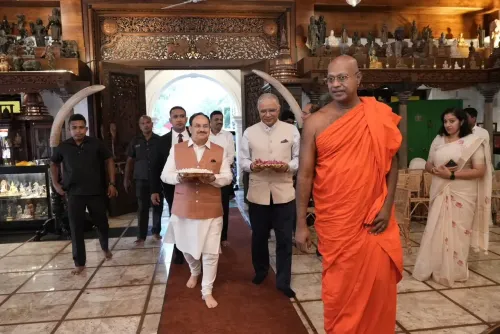
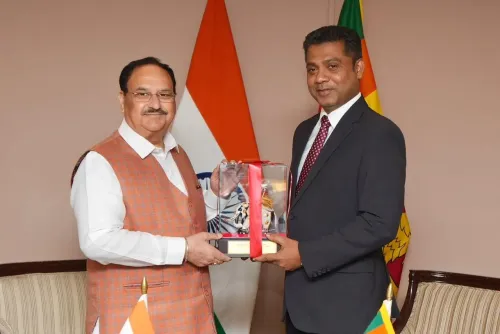
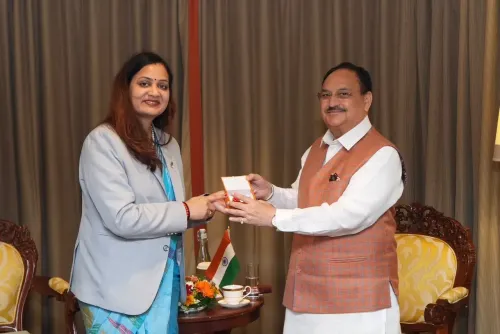
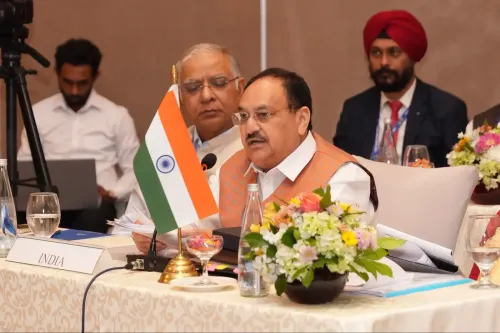
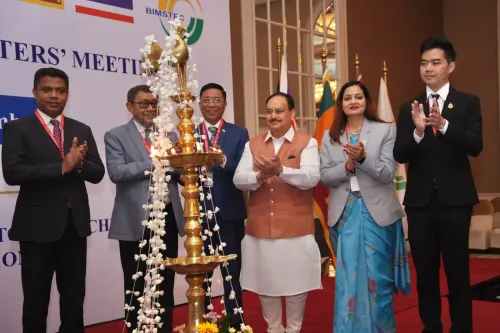
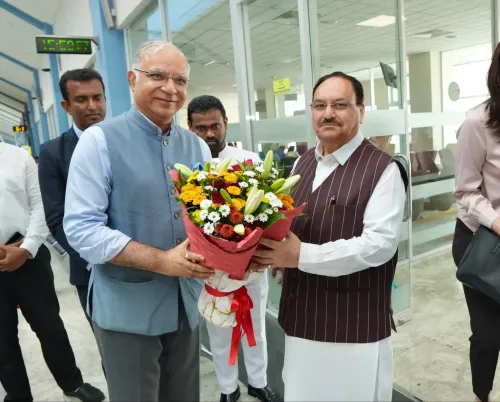
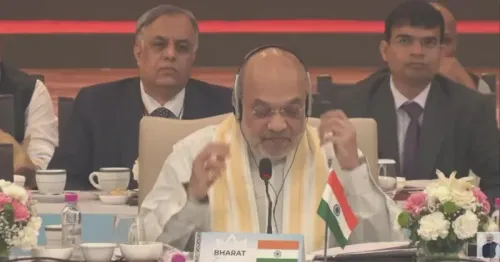
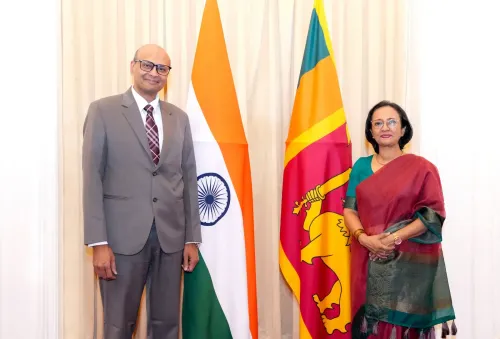
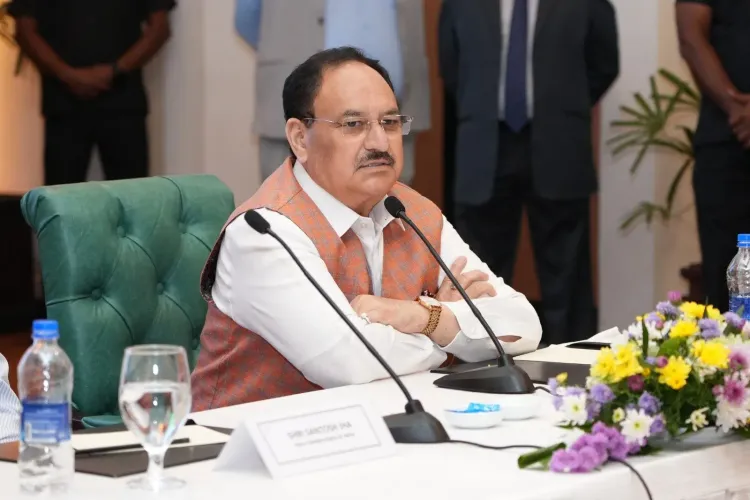
At the sidelines of the First BIMSTEC Health Ministers' Meeting in Colombo, Union Health Minister J. P. Nadda sat down with members of the Indian diaspora on Wednesday, November 11, 2026 — turning a multilateral summit into a moment of personal diplomacy that underscored how deeply India's neighbourhood strategy has woven itself into everyday ties with Sri Lanka.
India's twin doctrines land in Colombo
Nadda explicitly framed the visit through two of Prime Minister Narendra Modi's signature foreign-policy frameworks: the Neighbourhood First policy, articulated in 2014 to place immediate South Asian partners at the centre of India's engagement, and MAHASAGAR, the broader Indian Ocean outreach doctrine. Together, they form the architecture under which India has pursued bilateral health cooperation, pharmaceutical exports and digital-health initiatives with Sri Lanka over the past decade-plus.
BIMSTEC — the Bay of Bengal Initiative for Multi-Sectoral Technical and Economic Cooperation, founded in 1997 — brings together seven littoral nations and has increasingly become a vehicle for India to blend regional multilateralism with its bilateral neighbourhood agenda. A health ministers' meeting under that umbrella amplifies both tracks simultaneously.
Healthcare, digital innovation and pharmaceuticals on the table
Nadda flagged India's advances over 'the past 12 years' in healthcare, digital innovation, pharmaceuticals and medical research as a reservoir of experience Sri Lanka could draw on. The offer covers health-system capacity building, medical education, digitisation and broader economic development — a package that mirrors the kind of technical-cooperation playbook India has deployed with neighbours since the mid-2010s.
India's standing as a major pharmaceutical supplier to Sri Lanka — and the goodwill generated by its emergency fuel, food and financial assistance during Sri Lanka's 2022 economic crisis — gives that offer credible weight. Colombo has seen India act as a first responder when it mattered most, and Nadda's remarks are a reminder that the relationship runs well beyond formal diplomacy.
The diaspora as a living bridge
The minister praised the Indian diaspora in Colombo for 'strengthening people-to-people ties and fostering the longstanding friendship between our two nations' — a nod to a community that has historically served as a cultural and economic connector between the two countries. Indian leaders routinely invoke diaspora networks as informal diplomacy multipliers, and in Sri Lanka's case the Tamil community adds a particularly layered dimension to that people-to-people thread.
What to watch now: whether the ministerial-level engagement at the BIMSTEC meeting translates into concrete joint working groups on pharmaceuticals, medical education or digital-health infrastructure — the indicators that will tell whether Colombo's conversations become binding commitments.
India and Sri Lanka have navigated both opportunity and crisis together; the next chapter will be written in frameworks, not just flags.
Frequently Asked Questions
What is the BIMSTEC Health Ministers' Meeting?
It is a ministerial-level gathering under BIMSTEC — the Bay of Bengal Initiative for Multi-Sectoral Technical and Economic Cooperation, a seven-nation grouping founded in 1997 — focused on regional health cooperation. The first such meeting was held in Colombo in November 2026.
What is India's Neighbourhood First policy?
Neighbourhood First is India's foreign-policy doctrine, articulated after 2014, that places immediate South Asian neighbours at the top of its diplomatic and development engagement priorities.
What is the MAHASAGAR policy?
MAHASAGAR is India's framework for cooperative engagement across the Indian Ocean region, complementing Neighbourhood First by extending India's strategic and economic outreach to Indian Ocean littoral states.
What areas of cooperation did Nadda propose with Sri Lanka?
Nadda highlighted health, education, digitisation and economic development as priority areas, offering to share India's expertise in healthcare, digital innovation, pharmaceuticals and medical research.
How has India supported Sri Lanka in recent years?
India provided significant financial, fuel and food assistance to Sri Lanka during its severe economic crisis in 2022, reinforcing its role as Sri Lanka's closest and most responsive regional partner.