Khattar at 10th Swachh Survekshan Awards: 73 to 4,751 Cities
Synopsis
Union Minister Manohar Lal Khattar attended the 10th Swachh Survekshan Awards with President Droupadi Murmu, marking the survey's growth from 73 to 4,751 cities and unveiling mentor-mentee city pairings and new geography-specific cleanliness categories.
Key Takeaways
Swachh Survekshan has expanded from 73 urban local bodies in 2016 to over 4,751 cities by the 10th edition.
The Swachh Shehar Jodi initiative pairs 70 mentor cities with 191 mentee cities across 33 States and UTs for peer-learning on sanitation.
Three new award categories — Swachh Riverfront Town , Swachh Coastal Town , and Clean Himalayan City — tailor rankings to specific geographies.
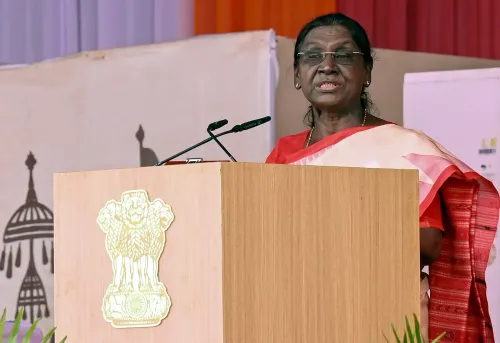
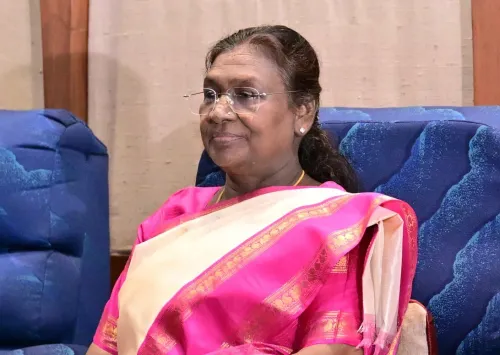
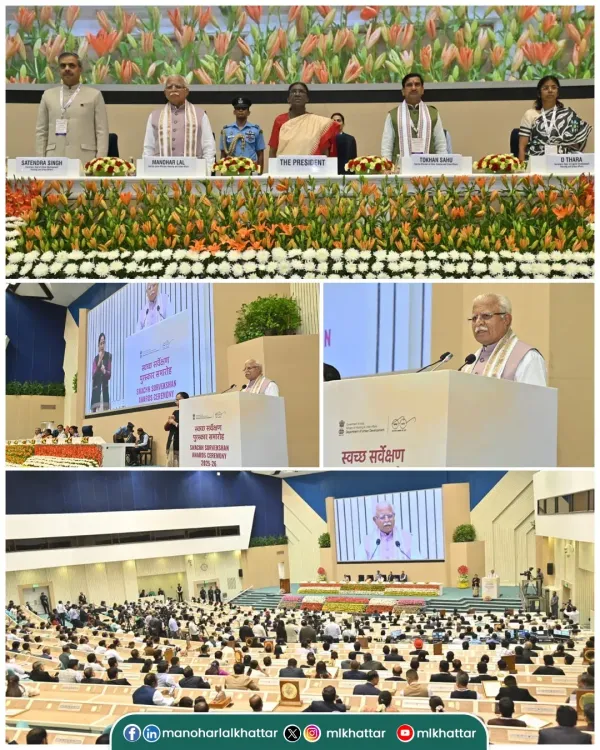
President Droupadi Murmu presided over the ceremony attended by Union Minister Manohar Lal Khattar on 11 November 2026 .
Khattar stressed that citizen behaviour and active participation are as critical as infrastructure in sustaining urban cleanliness.
Safai Mitras (frontline sanitation workers) were explicitly recognised alongside cities and citizens at the awards.
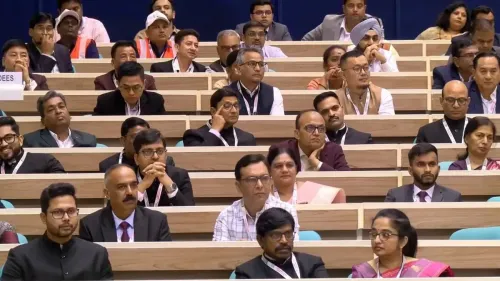
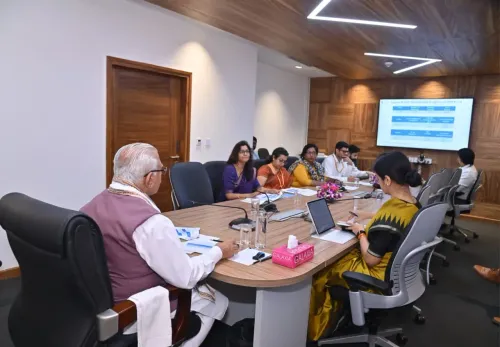
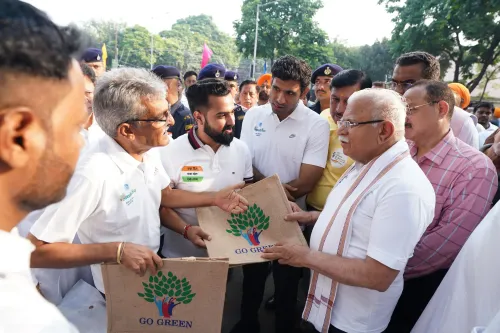
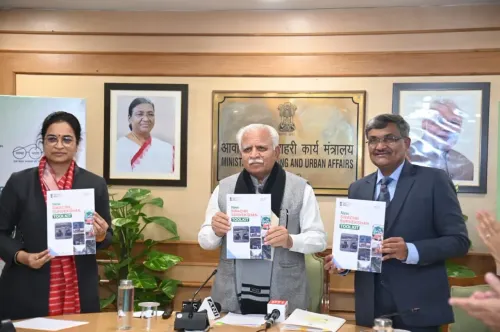
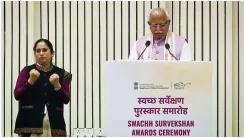
From a modest pilot covering 73 urban local bodies to a nationwide competition spanning over 4,751 cities — India's urban cleanliness movement marked a decade of ambition at the 10th Swachh Survekshan Awards ceremony on Wednesday, 11 November 2026. Union Minister for Power and Housing & Urban Affairs Manohar Lal Khattar attended the event presided over by President Droupadi Murmu, calling the survey a 'powerful driver of urban transformation.'
A Decade of Rankings That Reshaped Urban India
Swachh Survekshan, introduced in 2016 under the Swachh Bharat Mission, was always conceived as more than a report card. By publishing city-level rankings annually, it injected competitive pressure into municipal governance — nudging mayors and commissioners to treat sanitation as a performance metric, not just a civic obligation. The jump from 73 to 4,751 participating cities is not simply a statistical milestone; it represents the mainstreaming of a culture where urban local bodies actively compete to be called clean.
Swachh Bharat Mission itself was launched on 2 October 2014 with the twin goals of ending open defecation and transforming solid waste management. The survekshan became its most visible accountability engine — a live scoreboard for urban India.
'Swachh Shehar Jodi': Mentor Cities Meet Mentee Cities
The ceremony's most structural announcement was the formalisation of the Swachh Shehar Jodi ('Clean City Pairs') initiative — 70 mentor cities now paired with 191 mentee cities across 33 States and Union Territories. The logic is deliberate: cities that have already cracked waste-segregation logistics or community engagement can short-circuit the learning curve for smaller or less-resourced counterparts. It is peer-to-peer governance at scale.
Khattar framed this as 'collaboration, peer learning, and sharing of best practices' — a signal that the mission is evolving from raw infrastructure delivery toward sustained knowledge transfer between municipalities.
New Categories for Rivers, Coasts, and Himalayas
This edition also introduced three geography-specific award tracks: Swachh Riverfront Town, Swachh Coastal Town, and Clean Himalayan City. The move acknowledges a truth that a single national ranking often obscures — a hill town managing glacier melt runoff and a coastal fishing harbour managing marine waste face fundamentally different operational realities than a landlocked metropolitan city. Tailoring assessment to terrain closes that measurement gap.
These new categories are worth watching in future editions: they will produce the first systematic, comparable data on sanitation performance in India's ecologically sensitive urban belts.
Infrastructure Is Necessary. Behaviour Is Non-Negotiable.
Perhaps the sharpest line in Khattar's address was the plainest: 'Cleanliness cannot be achieved through infrastructure and municipal efforts alone. It also requires responsible civic behaviour and active participation by citizens.' After a decade of building toilets, processing plants, and waste collection fleets, the mission is explicitly shifting emphasis. The hardware is largely in place. The question now is whether citizens will use it correctly — and that is a behavioural challenge no contractor can solve.
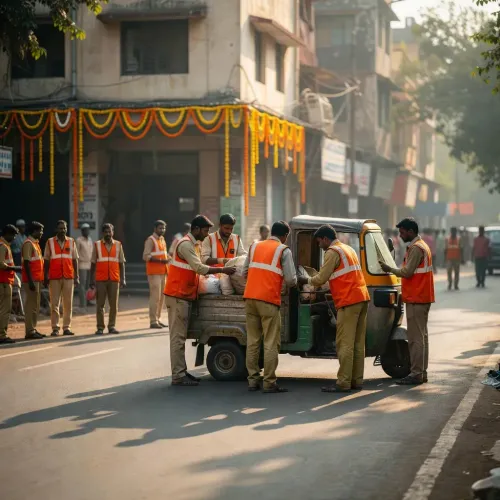
The minister extended congratulations to award-winning cities, Safai Mitras — the sanitation workers at the front line of every clean-city story — and citizens, describing their 'collective commitment' as the force shaping 'cleaner, healthier, and more sustainable urban India' in pursuit of Viksit Bharat and a Swachh Bharat.
Ten years in, the rankings have done their job of making cleanliness competitive. The next decade will test whether they can make it instinctive.
Point of View
Behaviour-led governance. The introduction of geography-specific categories signals that the Centre is moving beyond a one-size-fits-all ranking model, potentially making future editions more credible as policy tools rather than optics exercises. The Swachh Shehar Jodi mentorship framework, if implemented with rigour, could institutionalise knowledge transfer between municipalities in a way that outlasts political cycles. Khattar's explicit call for civic responsibility also marks a rhetorical pivot: the government is signalling that the next phase of Swachh Bharat will hold citizens — not just bureaucrats — accountable.
NationPress
11 Nov 2026
Frequently Asked Questions
What is Swachh Survekshan and how does it work?
Swachh Survekshan is an annual urban cleanliness ranking survey launched in 2016 under the Swachh Bharat Mission. It assesses cities on sanitation infrastructure, waste management, and citizen feedback, publishing a ranked list to encourage healthy competition among urban local bodies.
How many cities participated in Swachh Survekshan 2026?
By the 10th edition of Swachh Survekshan, the survey had expanded to cover over 4,751 cities, up from just 73 urban local bodies when it began in 2016.
What is the Swachh Shehar Jodi initiative?
Swachh Shehar Jodi is a mentorship initiative that connects 70 experienced 'mentor' cities with 191 'mentee' cities across 33 States and Union Territories, enabling them to share best practices in urban sanitation and waste management.
What are the new Swachh Survekshan award categories introduced this year?
The 10th edition introduced three geography-specific categories: Swachh Riverfront Town, Swachh Coastal Town, and Clean Himalayan City, designed to assess sanitation performance in ecologically distinct urban settings.
Who are Safai Mitras and why were they recognised at the Swachh Survekshan Awards?
Safai Mitras are frontline sanitation workers responsible for waste collection and urban cleaning. They were recognised at the 10th Swachh Survekshan Awards for their direct, essential role in maintaining cleanliness across Indian cities.