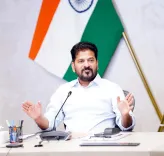
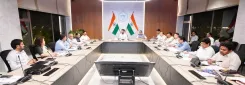
Khattar Chairs SBM-Urban, PRAGATI Review on Waste Management
Synopsis
Union Minister Manohar Lal Khattar chaired a PRAGATI review on July 16, 2026, assessing Swachh Bharat Mission-Urban progress, legacy waste remediation in line with Supreme Court directions, and the ongoing Swachh Survekshan. The meeting signals heightened central oversight of urban sanitation and scientific waste management across Indian cities.
Key Takeaways
Union Minister Manohar Lal Khattar chaired a review of Swachh Bharat Mission-Urban and Ministry flagship schemes on July 16, 2026 .
The review was conducted under the PRAGATI platform, used for real-time central monitoring of infrastructure and welfare schemes.
Deliberations specifically covered legacy waste remediation in adherence to Supreme Court directions on Solid Waste Management Rules.
The ongoing Swachh Survekshan annual cleanliness ranking survey was also assessed during the meeting.
Urban local bodies and municipal corporations are the primary implementing agencies accountable for on-ground progress.
Next milestones include release of Swachh Survekshan city rankings and Supreme Court compliance reports on legacy waste sites.
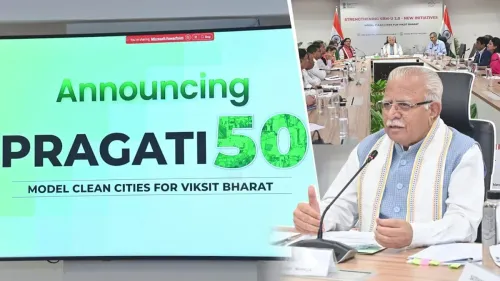
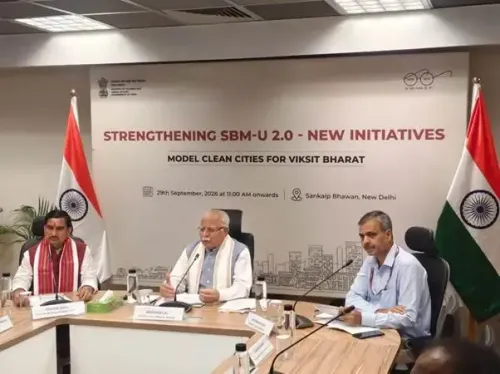
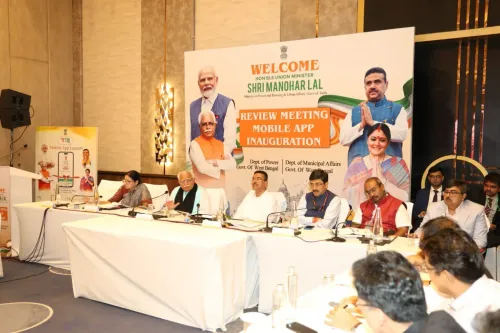
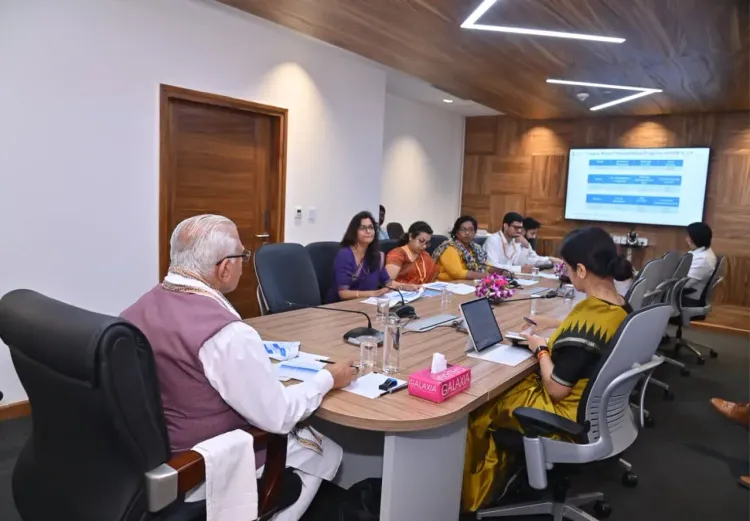
Union Minister of Housing and Urban Affairs Manohar Lal Khattar on Thursday, July 16, 2026, chaired a high-level review meeting assessing the progress of Swachh Bharat Mission-Urban (SBM-U) and the Ministry's flagship schemes under the PRAGATI platform, with a focused discussion on legacy waste remediation and urban sanitation targets.
Context
Khattar posted on X that the meeting covered 'detailed deliberations' on legacy waste remediation, specifically in adherence to the Supreme Court's 2026 directions on Solid Waste Management Rules, as well as the ongoing Swachh Survekshan exercise. The minister tagged the official @SwachhBharatGov handle, signalling coordination across the government's urban sanitation machinery. The review underscores the Ministry's intent to align administrative progress with both judicial timelines and annual survey benchmarks.
Policy Backdrop
Swachh Bharat Mission was launched in 2014 as the central government's flagship programme to achieve urban cleanliness, open-defecation-free status, and scientific waste processing across Indian cities. The Solid Waste Management Rules, 2016, subsequently set binding norms for municipal waste handling, processing, and disposal, making compliance a legal obligation for urban local bodies. PRAGATI — the Pro-Active Governance and Timely Implementation platform introduced in 2015 — enables real-time monitoring of such central schemes and has been used periodically to track SBM-U milestones at the highest levels of government.
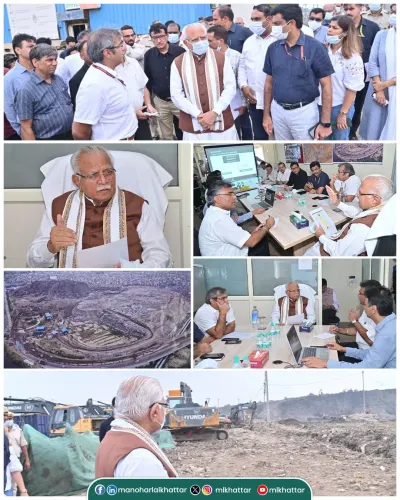
Legacy waste remediation — the scientific processing of old, unprocessed waste dumps — has emerged as a critical compliance frontier, with the Supreme Court of India having issued directions tying urban local bodies to time-bound targets under the Solid Waste Management Rules. Swachh Survekshan, the annual Ministry-led cleanliness ranking survey, adds a competitive dimension, pushing municipal corporations and cities to demonstrate measurable progress in sanitation and waste management.
Stakeholders and Impact
Urban local bodies and municipal corporations across the country are the primary implementing agencies for SBM-U and bear direct responsibility for legacy dump remediation under court-mandated timelines. City residents stand to benefit from cleaner public spaces, reduced landfill burden, and improved public health outcomes as remediation targets are met. The PRAGATI review mechanism ensures that progress — or the lack of it — is visible to senior leadership, creating accountability pressure on municipalities.
The Swachh Survekshan rankings, expected periodically, serve as a public scorecard for cities, influencing both civic pride and administrative incentives. States and cities that demonstrate compliance with waste management rules and SBM-U targets have historically received recognition and additional central support.
What's Next
The immediate markers to watch are the release of the next Swachh Survekshan city rankings and any periodic compliance reports on legacy waste site remediation submitted to the Supreme Court. The Ministry's use of PRAGATI for this review suggests that follow-up action items and deadlines will be tracked centrally, with urban local bodies expected to report measurable progress. Sustained central oversight through such platforms has historically accelerated on-ground implementation in laggard cities, making the outcomes of this review consequential for India's broader urban sanitation agenda.
Point of View
Judicial accountability, and competitive city rankings to drive urban sanitation outcomes. The explicit reference to Supreme Court directions on legacy waste remediation signals that the Ministry is treating judicial compliance — not just administrative targets — as a core performance metric. This dual pressure of court timelines and Swachh Survekshan rankings has historically been the most effective lever for moving reluctant urban local bodies. The meeting positions the Housing Ministry as proactively ahead of any compliance deadlines, a posture that carries political as well as administrative value.
NationPress
15 Oct 2026
Frequently Asked Questions
What is Swachh Bharat Mission-Urban?
Swachh Bharat Mission-Urban is the central government's flagship scheme launched in 2014 to achieve urban cleanliness, open-defecation-free status, and scientific waste processing across Indian cities.
What is PRAGATI and why is it used for scheme reviews?
PRAGATI stands for Pro-Active Governance and Timely Implementation. It is a platform introduced in 2015 that enables real-time monitoring of central infrastructure and welfare schemes, allowing senior leadership to track progress and flag delays.
What is legacy waste remediation in India?
Legacy waste remediation refers to the scientific processing and clearance of old, unprocessed waste that has accumulated at municipal dumpsites over the years. The Supreme Court has issued directions tying urban local bodies to time-bound remediation targets under the Solid Waste Management Rules, 2016.
What is Swachh Survekshan?
Swachh Survekshan is an annual cleanliness ranking survey conducted by the Ministry of Housing and Urban Affairs to assess and rank Indian cities on sanitation, waste management, and open-defecation-free status under the Swachh Bharat Mission.
What did Manohar Lal Khattar review on July 16, 2026?
On July 16, 2026, Manohar Lal Khattar chaired a review meeting under the PRAGATI platform covering the progress of Swachh Bharat Mission-Urban, legacy waste remediation in line with Supreme Court directions on Solid Waste Management Rules, and the ongoing Swachh Survekshan exercise.